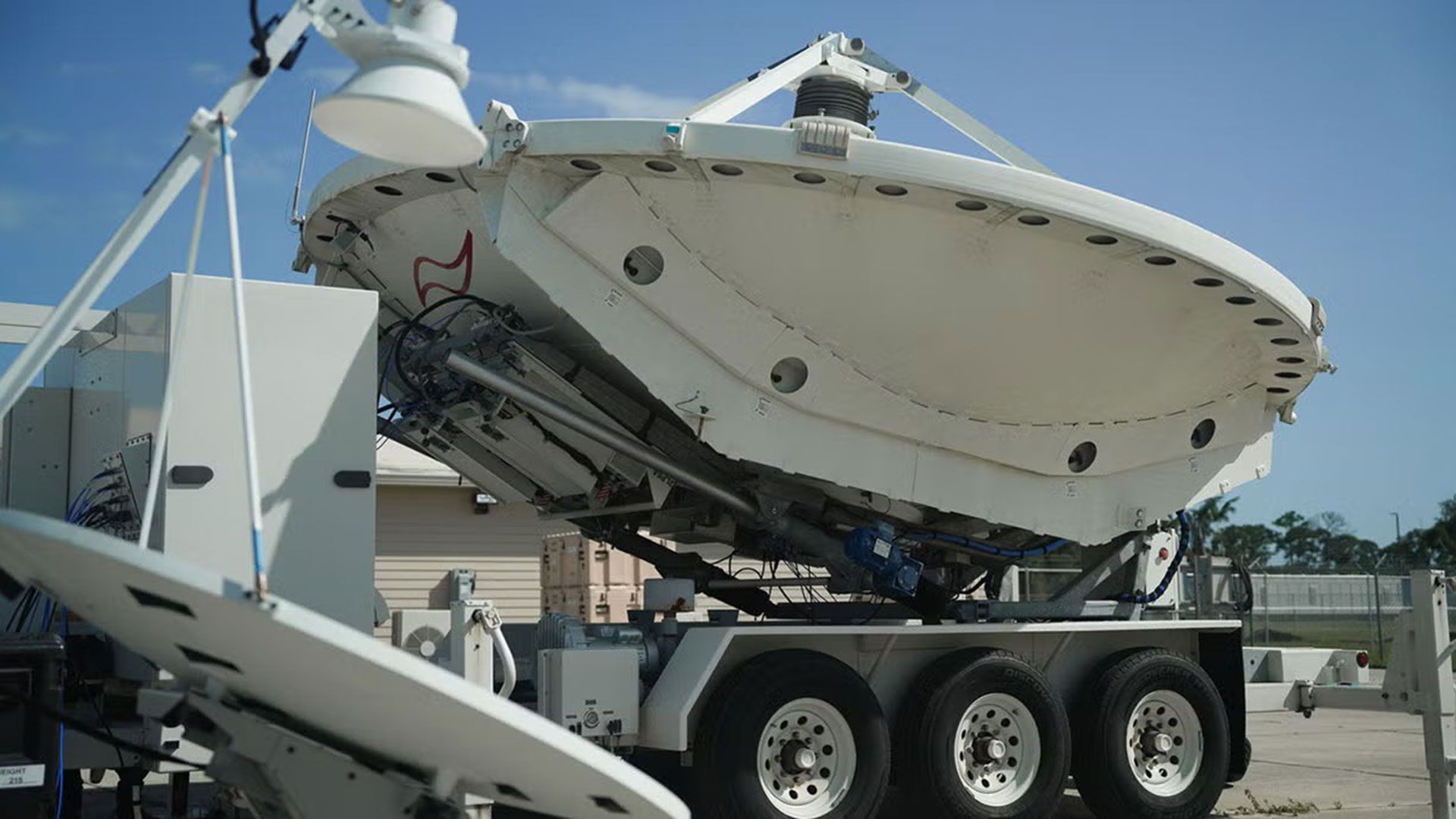
Space Force Acquires 'Meadowlands' Electronic Warfare System
The U.S. Space Force has officially taken delivery of its first 'Meadowlands' electronic warfare (EW) system. This marks a significant advancement in the nation's space defense capabilities. The Meadowlands system is designed to operate from mobile platforms, offering unprecedented flexibility in countering threats in orbit. Its primary mission is to detect, deny, disrupt, and degrade hostile space assets, effectively neutralizing enemy satellites without necessarily destroying them. The Space Force plans to deploy 32 of these units, signaling a strategic shift towards active space control and defense.

Capabilities and Strategic Intent
The Meadowlands system represents a leap forward in directed energy and electronic warfare technology tailored for the space domain. Unlike kinetic anti-satellite weapons that rely on physical destruction, Meadowlands employs high-powered electromagnetic beams. This approach allows for non-kinetic effects, meaning it can temporarily disable or permanently damage the sensitive electronics of adversary satellites. The system's mobility is a key feature, enabling it to be repositioned rapidly to counter evolving threats or to operate from secure, ground-based locations. This mobility is crucial for maintaining an operational advantage and reducing vulnerability to counter-attacks.
The Space Force's stated intention to deploy 32 Meadowlands units underscores a commitment to building a robust space control architecture. This number suggests a widespread operational capability, potentially covering various geographical regions and orbital paths. The ability to 'detect, deny, disrupt, and degrade' enemy space assets provides a graduated response spectrum. Detection identifies potential threats, denial prevents adversaries from using their assets, disruption interferes with their functionality, and degradation causes lasting damage. This comprehensive approach allows for tailored responses based on the specific threat and desired outcome.
Broader Implications for Space Warfare
The introduction of Meadowlands fundamentally alters the calculus of space warfare. For decades, the concern has been about kinetic threats like missile-based anti-satellite weapons that create vast amounts of space debris. Meadowlands offers a less destructive, yet equally effective, method of neutralizing threats. This could lead to a new era of space control where electronic and directed energy weapons play a more prominent role than traditional kinetic means. The development and deployment of such systems also raise questions about escalation and the potential for an arms race in space. As one nation develops advanced EW capabilities, others will inevitably seek to counter or match them, leading to a more complex and potentially unstable space environment.
The counter-space capabilities of Meadowlands are designed to target the critical electronic systems of satellites. This includes communication payloads, sensor arrays, and guidance systems. By emitting powerful electromagnetic pulses or focused beams, the system can overwhelm these sensitive components, leading to temporary malfunctions or permanent damage. The precise nature of the electromagnetic effects is classified, but it is understood to be highly effective against modern satellite electronics, which are often designed to be compact and powerful, sometimes at the expense of resilience against intense electromagnetic interference.
The Future of Space Domain Awareness and Defense
The Space Force's investment in Meadowlands reflects a growing recognition of the contested nature of the space domain. The proliferation of satellites by various nations, including potential adversaries, necessitates advanced defensive and offensive capabilities. Meadowlands is part of a broader strategy to ensure freedom of operation in space for U.S. and allied assets while denying the same to adversaries. The system's ability to operate from mobile platforms suggests a doctrine focused on distributed, resilient operations, making it harder for an adversary to disable the entire capability with a single strike.
What remains to be seen is how adversaries will respond to this new capability. Will they develop countermeasures to shield their satellites from electromagnetic effects? Or will they accelerate their own offensive space capabilities, potentially leading to a more dangerous tit-for-tat scenario in orbit? The deployment of Meadowlands is not just a technological acquisition; it is a strategic signal about the U.S. commitment to maintaining dominance in the space domain.
The delivery of the first Meadowlands unit is a tangible step towards a more actively defended and controlled space environment. As the Space Force continues to integrate these systems, the operational landscape for space warfare will undoubtedly evolve. The focus on non-kinetic means of engagement suggests a preference for disabling threats over creating debris, a potentially positive development for the long-term sustainability of space operations.