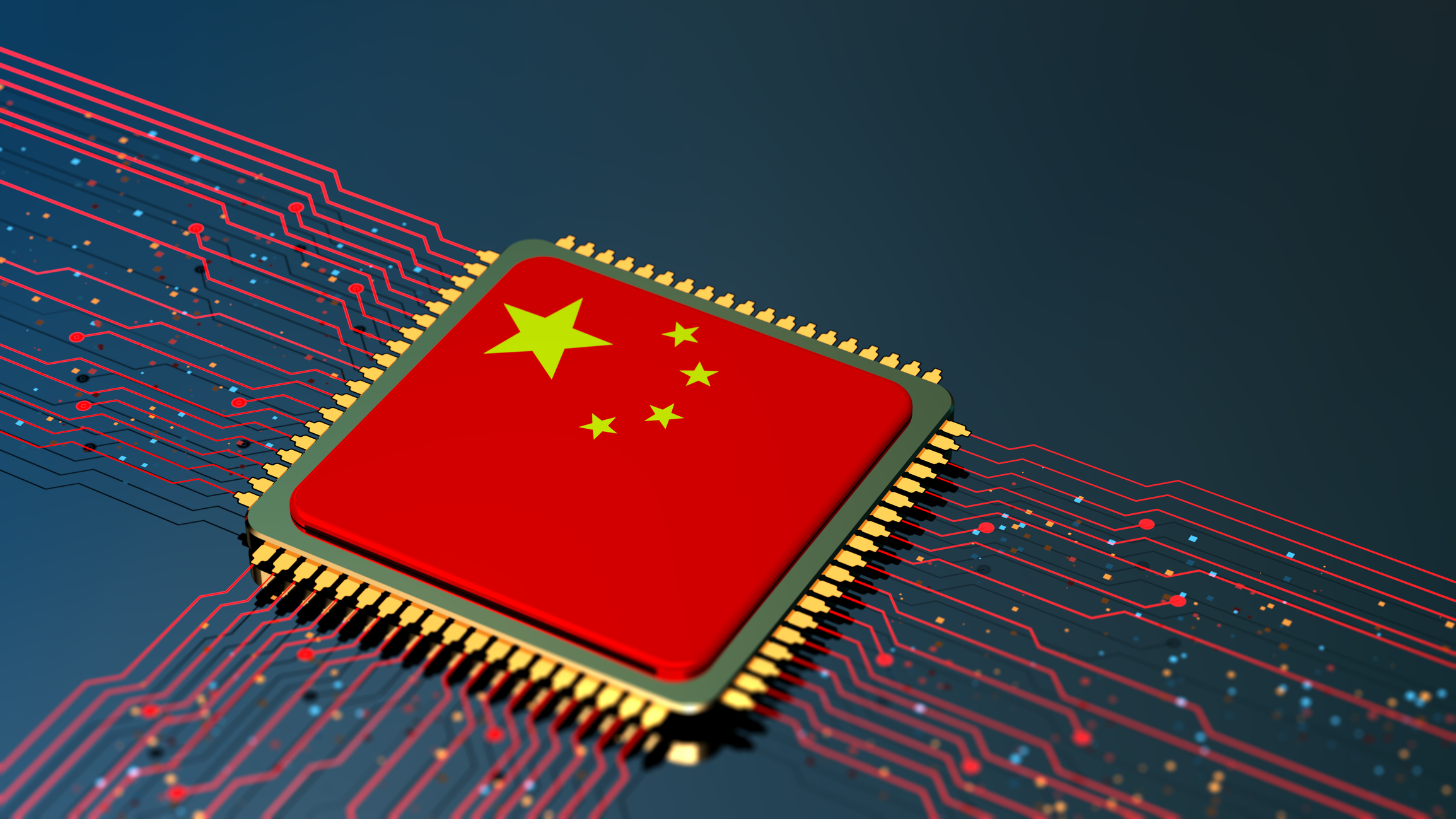
US Escalates AI Tensions with Threat of Sanctions
The United States is signaling a significant escalation in its efforts to curb China's burgeoning artificial intelligence capabilities, with Treasury Secretary Scott Bessent explicitly stating the U.S. could impose sanctions on Chinese open-source AI models. This move represents an expansion of the Trump administration's existing campaign, which has primarily focused on restricting the export of advanced semiconductors and AI development tools to China. The objective is clear: to slow Beijing's progress in a field deemed critical for future economic and national security.
The threat of sanctions specifically targets AI models, a departure from previous measures that concentrated on hardware and foundational technology. Open-source AI models, by their nature, are designed for broad accessibility and rapid development. However, this open accessibility also presents a potential vector for intellectual property (IP) theft and the unauthorized transfer of sensitive technology. The U.S. government's concern is that Chinese entities may be leveraging open-source frameworks and datasets, potentially incorporating stolen IP, to accelerate their own AI development without adhering to international norms or fair competition principles.
This announcement comes at a time when the global AI landscape is rapidly evolving. China has made substantial investments in AI research and development, aiming to become a global leader. U.S. policymakers view this ambition through a lens of strategic competition, seeking to maintain American technological supremacy. The potential sanctions could impact a wide range of Chinese AI products and services, from large language models to specialized AI applications, by limiting their access to U.S. markets and potentially deterring international adoption.
Intellectual Property Concerns at the Forefront
The core of the U.S. government's concern appears to be the alleged intellectual property theft embedded within Chinese AI models. While the specific nature of the alleged theft has not been detailed, the implication is that Chinese developers may be misappropriating proprietary algorithms, training data, or unique model architectures developed by U.S. or allied entities. This not only undermines fair competition but also poses a risk of U.S. technological advancements being used for potentially adversarial purposes.
The Ars Technica report, which analyzed apps targeting U.S. troops and found that over one-eighth contained foreign code from Chinese and Russian sources, adds a layer of concern regarding the security implications of foreign-developed AI components. While this report focused on military-adjacent applications, it highlights a broader trend of foreign code integration. If Chinese AI models, potentially built with stolen IP, find their way into critical infrastructure or sensitive applications, the ramifications could extend far beyond economic competition to national security threats.
The U.S. strategy aims to create a bifurcated technological ecosystem, where trusted partners can collaborate on AI development while restricting access for those deemed to be engaging in unfair practices. Sanctioning AI models could manifest in various ways, including export controls, restrictions on cloud hosting services, or prohibitions on financial transactions related to these models. The challenge for the U.S. will be to implement these measures effectively without stifling legitimate innovation or alienating international partners who rely on open-source development.
Broader Implications for Global AI Development
The threat of U.S. sanctions against Chinese AI models signifies a critical juncture in the global regulation and development of artificial intelligence. It underscores the growing recognition that AI is not just a technological frontier but also a domain of intense geopolitical competition. The U.S. is attempting to set international norms around AI development, emphasizing IP protection and ethical considerations, while China pursues its own path, often prioritizing rapid development and market dominance.
This policy shift could lead to a more fragmented global AI landscape. Companies and developers worldwide may face pressure to choose sides, aligning with either U.S.-aligned standards or embracing a more open, potentially less regulated, Chinese approach. For developers working with open-source AI, this creates a complex environment. They must now consider not only the technical merits of a model but also its geopolitical implications and potential for sanctions. This could slow down the adoption of cutting-edge AI technologies and increase compliance burdens.
The tension between fostering open innovation and protecting national interests and intellectual property is a delicate balancing act. The U.S. government's stance suggests that, at least for now, national security and IP protection are taking precedence. The effectiveness of these sanctions will depend on their precise implementation, the degree of international cooperation, and China's response. What remains to be seen is whether this approach will genuinely slow China's AI progress or simply drive its development further underground, out of reach of U.S. oversight and influence.