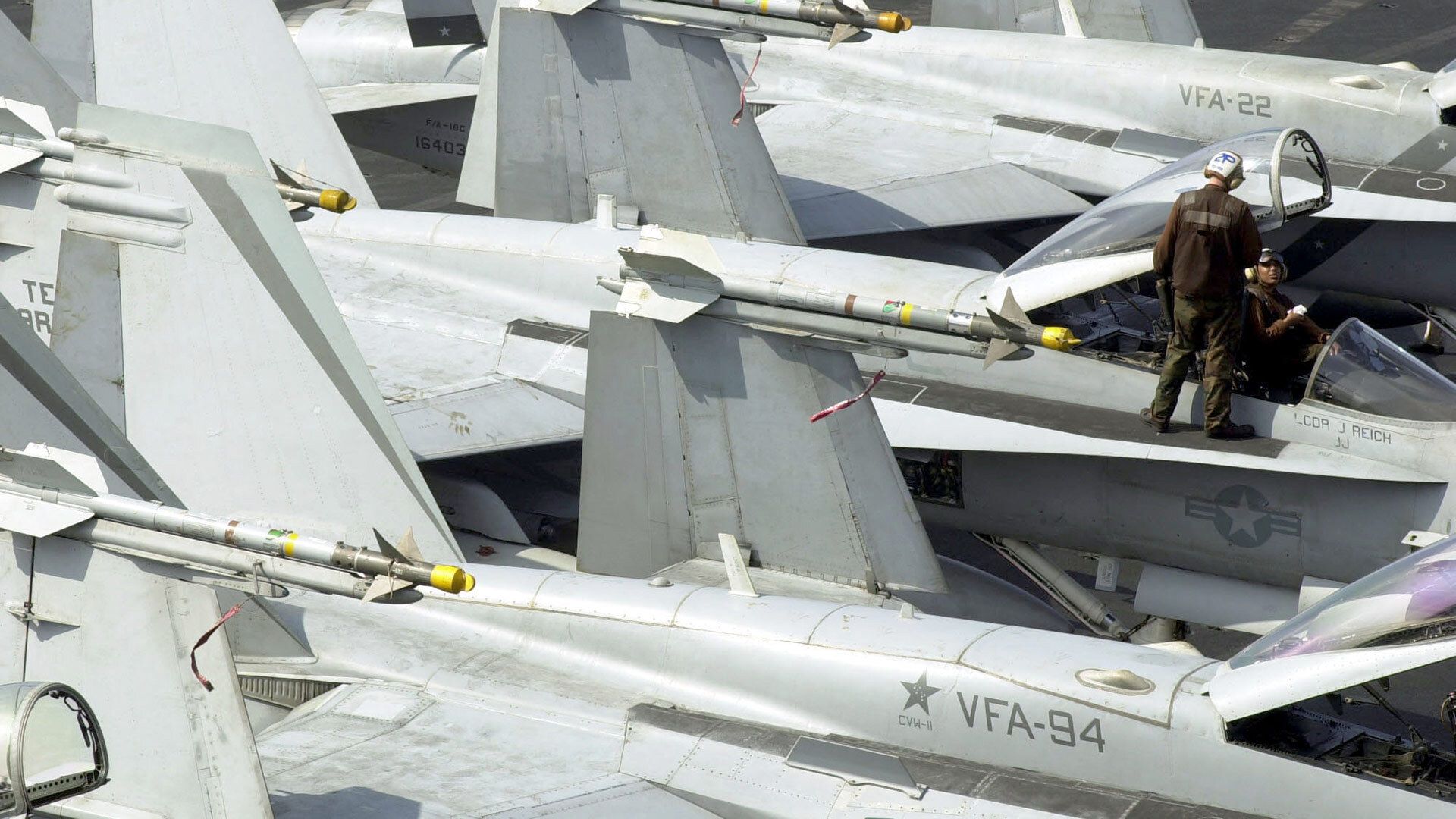
Expedited Repairs at the Front Lines

The U.S. Navy is actively testing 3D-printed composite patches designed to expedite repairs on its F/A-18 Super Hornet fleet. This initiative aims to significantly reduce the time aircraft spend on the ground, particularly in forward-deployed operational environments. The core of the innovation lies in enabling maintenance crews at remote bases to generate critical replacement parts on-site, bypassing the lengthy and often complex traditional logistics supply chain that can span thousands of miles and weeks of waiting.
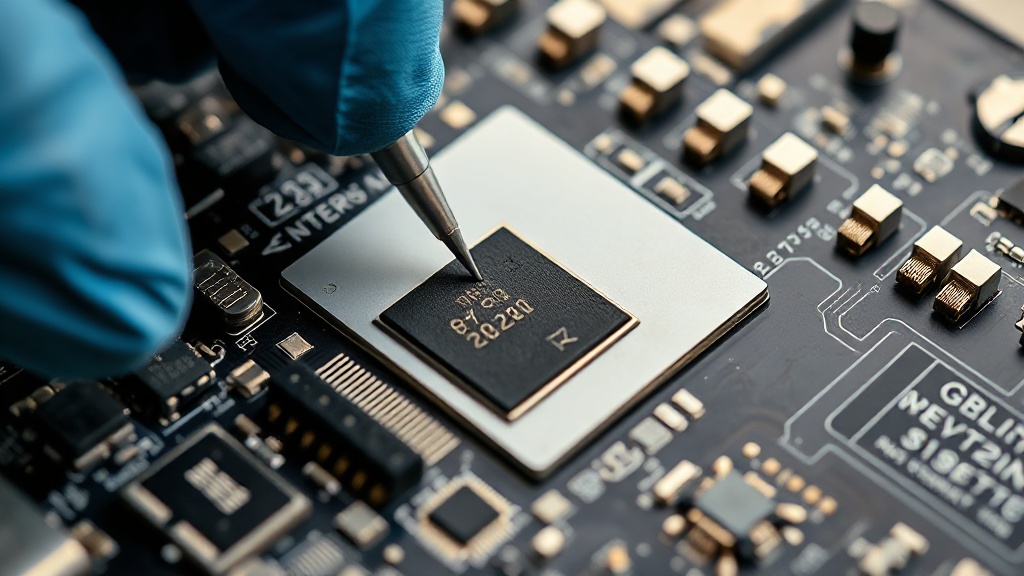
Technician inspects a 3D-printed composite patch for an F/A-18 Super Hornet
The current process for replacing damaged composite parts on fighter jets involves ordering replacements from centralized depots. This can lead to extended downtime for aircraft, impacting readiness and operational capabilities. By leveraging additive manufacturing, the Navy can produce these parts closer to where the aircraft are operating. This drastically cuts down transit times and the associated logistical overhead. The goal is to cut repair times in half, a critical objective for maintaining a high operational tempo for its air wings.

The Technology Behind On-Demand Parts

This project focuses on generating composite patches, a crucial component for repairing the airframes of modern fighter jets like the F/A-18 Super Hornet. Composite materials are favored for their strength-to-weight ratio, but they can be complex and time-consuming to repair or replace using conventional manufacturing and repair methods. Forward-deployed 3D printers, likely industrial-grade systems capable of handling advanced materials, are being utilized to fabricate these specific patches. The selection of composite materials for 3D printing is key, as it allows for the creation of parts that can withstand the extreme stresses and environmental conditions experienced by military aircraft. The process involves scanning the damaged area, designing a precise patch that conforms to the existing structure, and then printing the patch using advanced composite materials. This could involve techniques like continuous fiber printing or advanced resin printing, designed for aerospace applications. Once printed, the patch would undergo quality assurance checks and then be applied to the aircraft, significantly reducing the downtime compared to waiting for a factory-produced part to be shipped.

Flight Testing and Operational Integration

The critical next step involves flight testing these 3D-printed parts on operational F/A-18 Super Hornets. This phase is essential to validate the performance, durability, and safety of the components under real-world flight conditions. Unlike static testing, flight testing subjects the parts to the full spectrum of aerodynamic forces, vibrations, temperature changes, and stresses that an aircraft endures during combat missions or training exercises. The Navy's commitment to this rigorous testing underscores the seriousness with which they view additive manufacturing as a viable solution for fleet readiness. Successfully integrating 3D-printed parts into operational aircraft maintenance could have far-reaching implications. It signals a shift towards a more agile and responsive logistics model for military aviation. The ability to produce parts on demand at or near the point of need reduces reliance on a stretched global supply chain and enhances the autonomy of deployed units. This could be particularly impactful in scenarios where access to traditional supply lines is compromised. The broader adoption of this technology could also influence the design of future aircraft and maintenance protocols. Aircraft could be designed with modularity in mind, allowing for easier replacement of components, including those produced via additive manufacturing. Furthermore, the data gathered from these flight tests will be invaluable for refining printing processes, material selection, and quality control standards for aerospace applications. The surprising detail here is not just the potential for faster repairs, but the Navy's proactive approach to integrating such a disruptive technology directly into the operational readiness of its most advanced platforms.

Broader Implications for Military Logistics

This initiative is part of a larger trend within defense organizations to embrace advanced manufacturing technologies. The ability to