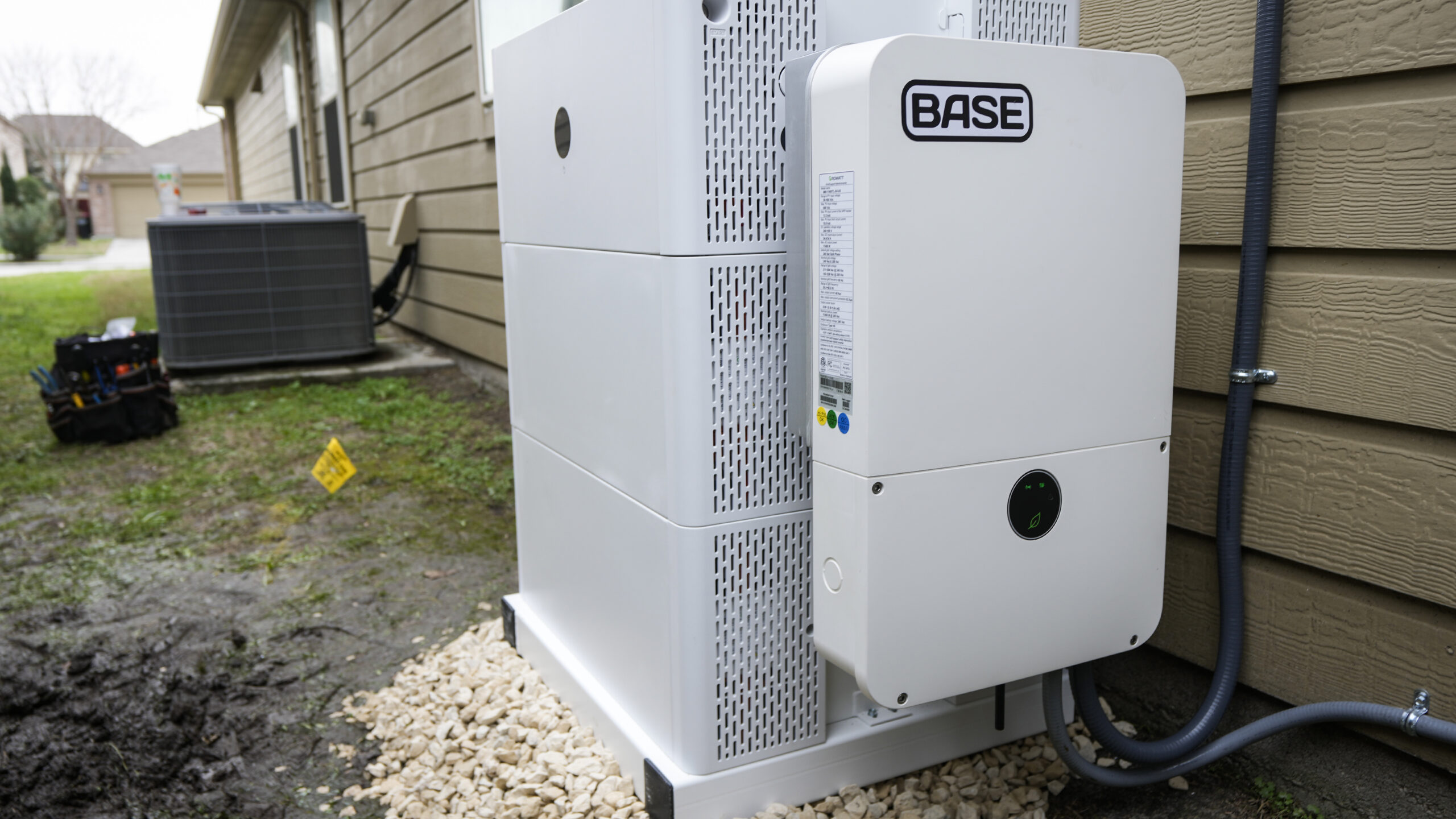
Residential Energy Storage Reaches New Peak

The first half of 2026 has seen a dramatic surge in home battery installations across the United States, setting new records. This trend is directly correlated with escalating electricity prices and increasing grid unreliability, pushing homeowners to seek greater energy independence and cost savings. The data, compiled from various market analysis firms, indicates that the installed capacity of residential battery systems has grown by over 40% compared to the same period in the previous year. This isn't just about backup power; it's a fundamental shift in how Americans manage their energy consumption and costs. Several factors are converging to fuel this growth. Firstly, the persistent rise in utility electricity rates, driven by inflation, increased fuel costs, and grid modernization investments, makes stored energy significantly more attractive. Homeowners can now offset peak demand charges, which are often the most expensive times to draw power from the grid. Secondly, the growing frequency of extreme weather events, from heatwaves to winter storms, has highlighted the fragility of the existing grid infrastructure, leading to more widespread power outages. Home batteries provide a crucial layer of resilience, ensuring essential appliances and systems remain operational during these disruptions. This surge in demand is also being met by a more mature and competitive market. Numerous companies, from established solar providers to dedicated energy storage startups, are offering increasingly sophisticated and affordable battery solutions. These systems often integrate seamlessly with rooftop solar installations, allowing homeowners to store excess solar energy generated during the day for use at night or during grid outages. The intelligence embedded in these systems is also improving, with advanced algorithms optimizing charging and discharging cycles based on grid signals, time-of-use electricity rates, and even predicted weather patterns.
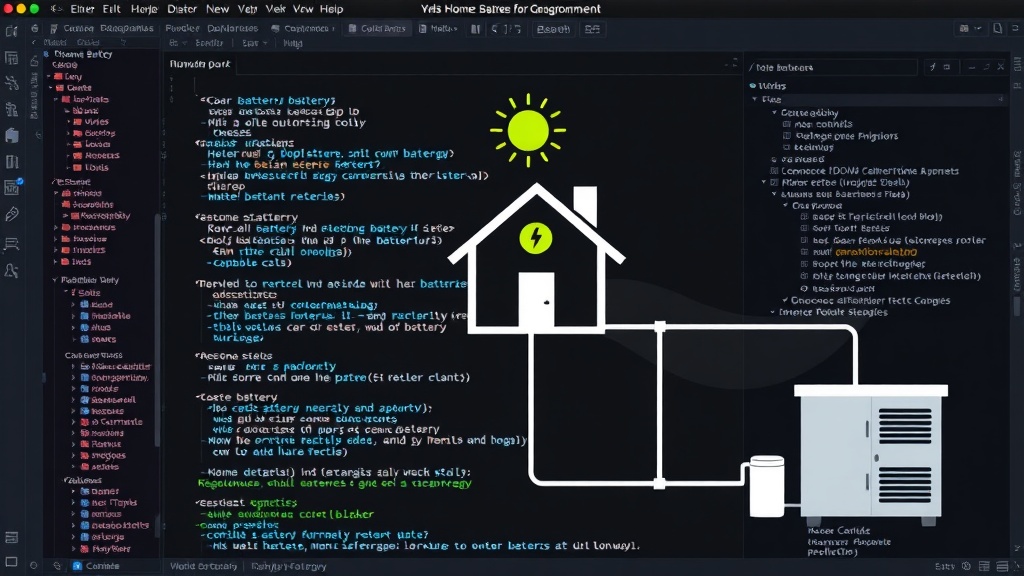
Diagram illustrating how home batteries store solar energy and provide backup power during outages

Beyond Homeowners: Grid and Data Center Implications

The impact of this residential battery boom extends beyond individual households. For utility grids, a distributed network of home batteries represents a significant new resource for grid stabilization. These batteries can be aggregated into virtual power plants (VPPs), allowing grid operators to draw upon stored energy during peak demand periods, thereby reducing the need for expensive and often carbon-intensive peaker plants. This not only enhances grid stability but also opens up new revenue streams for homeowners who participate in VPP programs, further incentivizing adoption. The trend also has surprising implications for burgeoning sectors like artificial intelligence. Large-scale AI data centers are voracious consumers of electricity. As these facilities continue to expand, they are increasingly looking for ways to secure stable and predictable power sources. The aggregation of residential battery capacity, managed through sophisticated software platforms, could offer a distributed, resilient, and potentially cleaner power supply to these data centers. This is a novel development, where a consumer-driven trend in home energy is intersecting with the immense power demands of cutting-edge technology infrastructure. The technology itself is also evolving rapidly. Newer battery chemistries are offering improved energy density, longer lifespans, and enhanced safety features. Installation processes are becoming more streamlined, and a growing network of certified installers is making it easier for homeowners to access these solutions. Government incentives, though varying by state and locality, continue to play a role in reducing the upfront cost, making the payback period for these investments increasingly attractive.

The Road Ahead: Challenges and Opportunities

Despite the record growth, challenges remain. The upfront cost of home battery systems, while decreasing, is still a significant barrier for many households. Ensuring equitable access to these technologies, particularly in lower-income communities, will be crucial for widespread adoption and to avoid exacerbating energy disparities. Furthermore, the integration of millions of distributed battery systems into the grid requires robust cybersecurity measures and sophisticated management software to prevent conflicts and ensure reliability. Grid operators and regulators face the complex task of adapting existing frameworks to incorporate these distributed energy resources effectively. Developing clear rules for VPP participation, compensation mechanisms, and grid interconnection standards will be essential. The sheer scale of this distributed generation means that proactive planning and investment in grid modernization are paramount. The data generated by these batteries – usage patterns, charge/discharge cycles, grid interaction – also presents a rich source of information for grid management and future energy system design, though privacy concerns must be addressed. This record-setting period for home battery installations signals a profound shift in the energy landscape. It reflects a growing consumer demand for control, resilience, and cost savings in the face of rising energy prices and grid challenges. As the technology matures and market dynamics evolve, residential energy storage is poised to become an increasingly integral component of the nation's power infrastructure, with ripple effects reaching far beyond the homeowner's electrical panel.