Domestic Manufacturing Gains in US Chip Production
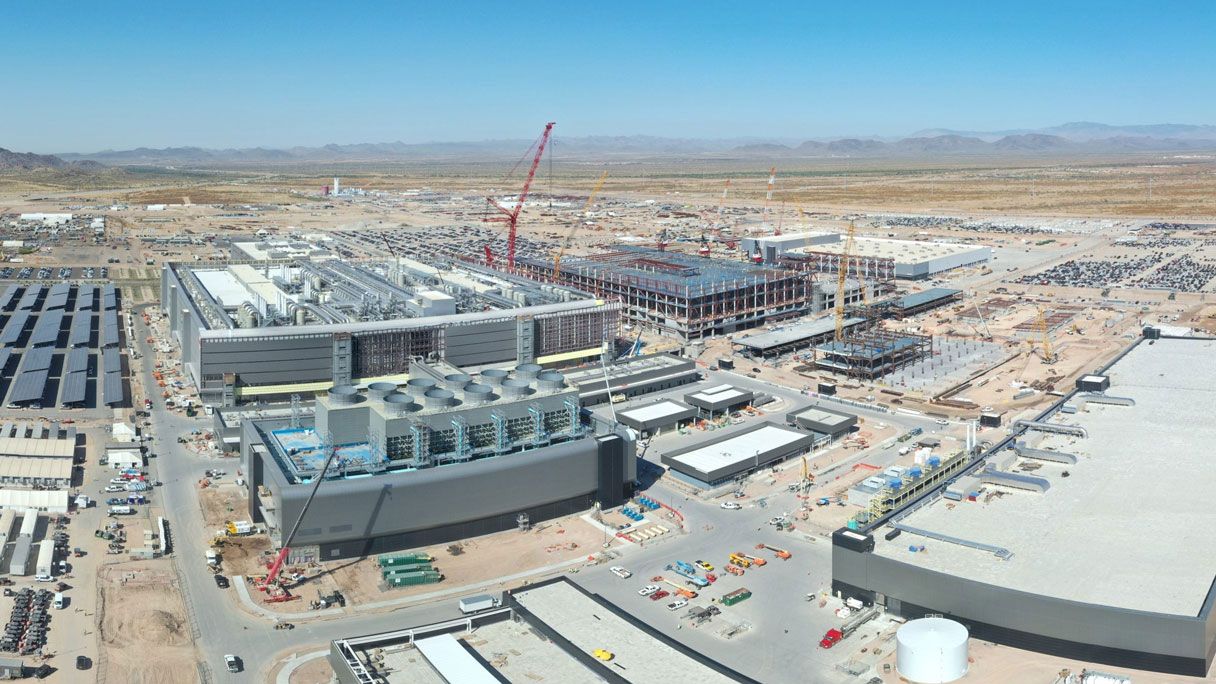
The United States is making significant strides in bolstering its domestic semiconductor manufacturing capabilities, a critical move underscored by efforts from industry giants like Nvidia and Intel. These companies, alongside government initiatives, are touting the expansion of local production as a win for national security and technological sovereignty. The narrative promoted is one of a complete, end-to-end American AI supply chain, starting from the initial design and fabrication stages within U.S. borders and culminating in finished products ready for deployment. This is a compelling vision, especially in an era where geopolitical tensions and supply chain disruptions have highlighted the fragility of globalized manufacturing.
Intel, for instance, is investing heavily in its Arizona fabrication plants, aiming to bring advanced chip manufacturing back to American soil. Similarly, Nvidia, a leader in AI accelerators, is also participating in these domestic production efforts. The emphasis is on creating a robust ecosystem that can support the growing demand for high-performance computing chips, essential for artificial intelligence, machine learning, and high-performance computing (HPC). These investments are not merely about increasing capacity; they are about re-establishing a foundational industrial capability that has seen significant outsourcing over the past few decades.
The CHIPS and Science Act, a landmark piece of legislation, has provided substantial financial incentives and support for companies looking to expand or establish semiconductor manufacturing facilities in the United States. This federal backing is crucial, enabling massive capital investments that might otherwise be prohibitive. The goal is to reduce reliance on East Asian foundries, particularly Taiwan, which currently dominates advanced chip manufacturing. By bringing more of the supply chain onshore, the U.S. aims to mitigate risks associated with international conflicts, trade disputes, and logistical nightmares, ensuring a more stable and predictable supply of critical technology.
Persistent Offshore Dependencies in Advanced Packaging
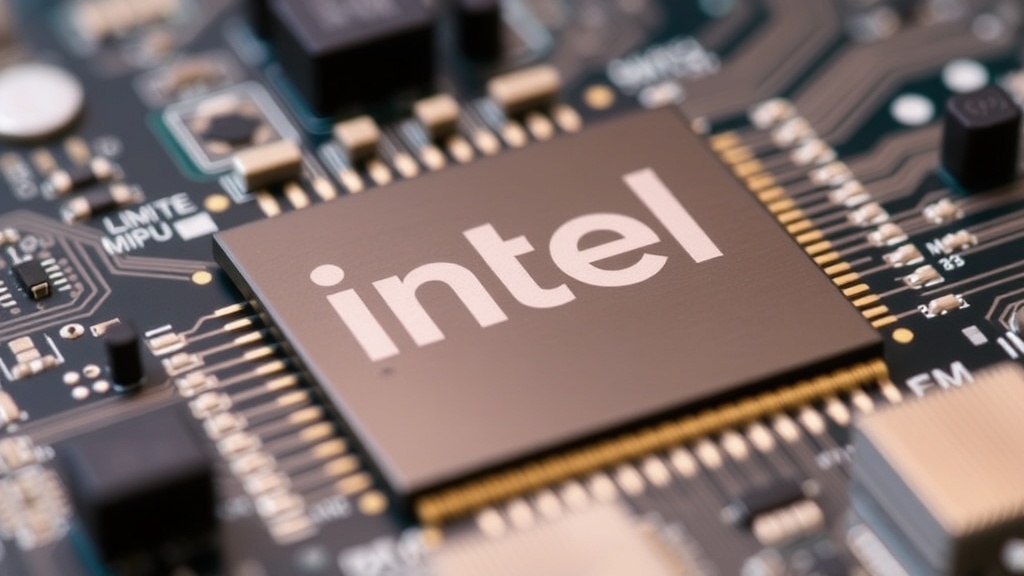
Despite these celebrated advancements in fabrication, a critical chasm remains in the U.S. semiconductor supply chain: advanced packaging. This is the intricate, high-value process where silicon dies are assembled, interconnected, and prepared for integration into final products. For cutting-edge AI accelerators like Nvidia's Blackwell platform, these sophisticated packaging steps—which are crucial for performance, power efficiency, and yield—are still being conducted almost exclusively offshore, primarily in Taiwan. This dependency means that while the silicon itself may be manufactured in the U.S., its final, performance-critical assembly is not. This situation persists despite the significant investments and the narrative of a fully domestic supply chain. Experts suggest that these crucial packaging capabilities will likely remain overseas until at least 2028, extending the current reliance on international partners for a vital segment of the AI hardware pipeline.
The implications of this offshore dependency are profound. Advanced packaging is not a simple, low-value step; it is a sophisticated engineering discipline that directly impacts the performance and reliability of the most advanced chips. Techniques like chiplet integration, advanced substrate technologies, and high-density interconnects are all part of this complex process. Companies that master advanced packaging gain a significant competitive edge, as it allows them to optimize chip performance and reduce costs. By outsourcing these steps, U.S. companies, even those manufacturing their silicon domestically, are still vulnerable to the same supply chain risks they are attempting to mitigate.
This reliance on offshore packaging creates a bottleneck. It means that the full realization of a truly independent and resilient U.S. AI hardware supply chain is still years away. The investments made in fabrication plants, while essential, only address one part of the equation. The equally complex and strategically important downstream processes of assembly, testing, and packaging require parallel development and investment to achieve true supply chain autonomy. The current situation is akin to building a state-of-the-art engine in America but sending it overseas for its transmission and exhaust system to be fitted.
The Strategic Importance of Advanced Packaging
Advanced packaging is more than just assembly; it is a key enabler of next-generation computing performance. As Moore's Law, in its traditional silicon scaling sense, becomes increasingly challenging, advanced packaging has emerged as a primary driver of performance gains. It allows for the integration of multiple specialized dies (chiplets) into a single package, enabling heterogeneous integration and custom silicon designs. This approach offers flexibility, cost-effectiveness, and the ability to overcome the physical limitations of monolithic chip designs.
Companies that excel in advanced packaging can significantly differentiate their products. For AI accelerators, the ability to pack more compute cores, memory bandwidth, and specialized accelerators into a single, power-efficient package is paramount. Nvidia's Blackwell architecture, for instance, relies heavily on advanced packaging techniques to achieve its immense computational power. The decision to continue packaging these chips in Taiwan, even as fabrication occurs elsewhere, highlights the concentration of specialized expertise and infrastructure in that region. Building comparable capabilities in the U.S. requires not only massive financial investment but also the development of a highly skilled workforce and a supportive industrial ecosystem.
The U.S. government and industry are aware of this challenge. There are ongoing efforts and discussions to incentivize the development of advanced packaging facilities domestically. However, the technical complexity, the long lead times for building such facilities, and the intense competition from established Asian players make this a formidable undertaking. The timeframe of "at least 2028" for bringing these critical steps onshore suggests a realistic acknowledgment of the scale and difficulty involved. Until then, the U.S. will continue to operate with a partial domestic supply chain, a significant vulnerability for its most advanced technological ambitions.
Broader Implications and Future Outlook
The current state of U.S. chip supply chain development presents a mixed picture. While the nation is succeeding in bringing advanced semiconductor fabrication back home, a crucial piece of the puzzle—advanced packaging—remains largely outside its borders. This situation has broad implications for national security, economic competitiveness, and the future of AI development. It underscores the interconnectedness of the global semiconductor industry and the challenges of re-establishing complex, high-value manufacturing processes.
For founders and startups, this means continued reliance on international partners for the final stages of hardware production, even with domestic fabrication options. It necessitates careful supply chain planning, risk assessment, and potentially dual-sourcing strategies where possible. For security professionals, it highlights persistent points of potential disruption and the need for robust monitoring of offshore dependencies. Data scientists and AI researchers will continue to benefit from the increasing availability of high-performance chips, but the long-term stability of that supply is tied to resolving these packaging gaps.
The path forward requires sustained investment, not just in fabrication, but in the entire spectrum of semiconductor manufacturing, including design, materials, equipment, and, critically, advanced packaging. The U.S. has made significant progress, but the journey to a fully self-sufficient and resilient domestic chip supply chain is far from over. The continued reliance on offshore packaging for critical AI hardware serves as a stark reminder that technological sovereignty is a complex, multi-faceted goal requiring sustained effort across all stages of production.