US Autonomous Ground Vehicles Deployed in Ukraine
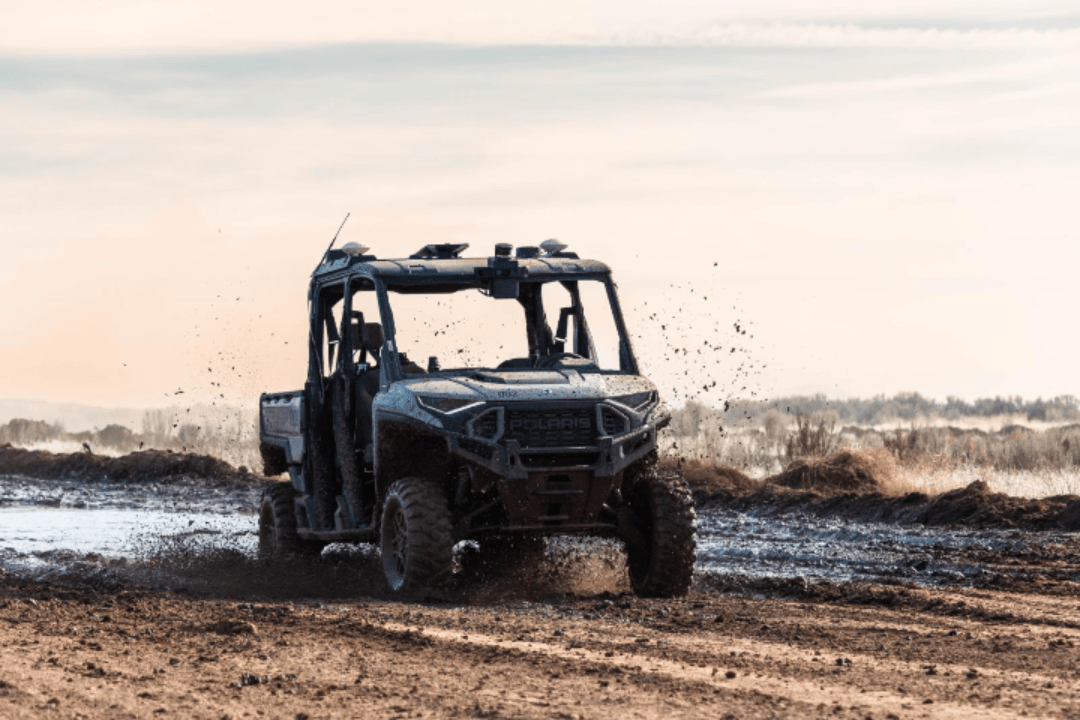
The first American-made autonomous ground vehicles (AGVs) are now actively engaged in combat operations in Ukraine. Forterra, a defense technology company, has confirmed the deployment of more than 100 of its unmanned ground systems to support Ukrainian forces. This marks a significant escalation in the types of advanced Western military technology being integrated into the ongoing conflict, moving beyond traditional artillery and air support to include sophisticated robotic platforms operating on the ground.
The AGVs, designed for a variety of battlefield roles, are intended to enhance Ukrainian capabilities in areas such as reconnaissance, logistics, and potentially direct combat support. The deployment signifies a new phase in the conflict, where AI-driven and remotely operated systems are playing an increasingly direct role. While the specific models and their exact functions remain classified for operational security, their presence on the front lines indicates a shift towards leveraging autonomous technology to gain tactical advantages.
Forterra’s decision to deploy these systems comes at a critical juncture in the war. Ukraine has consistently sought advanced military aid to counter Russian forces, and the introduction of AGVs could offer solutions to challenges such as personnel shortages, reducing risk to human soldiers in dangerous missions, and improving the efficiency of logistical supply chains in contested territories. The operational success and lessons learned from this deployment will likely inform future military strategies for both Ukraine and its Western allies.
Capabilities and Operational Context
While details on the specific capabilities of the Forterra AGVs are limited, such systems are typically designed with modularity in mind. This allows them to be adapted for diverse missions. Common roles for AGVs in modern warfare include:
- Reconnaissance and Surveillance: Equipped with advanced sensors, cameras, and communication systems, these vehicles can gather real-time intelligence from contested areas without risking human lives. They can navigate complex terrain and transmit data back to command centers.
- Logistics and Resupply: AGVs can transport ammunition, medical supplies, and other essential equipment to forward operating bases or directly to front-line units, especially in areas where traditional supply lines are vulnerable to attack.
- Mine Clearance and EOD: Specialized variants can be equipped with mine-clearing equipment or robotic arms for explosive ordnance disposal, performing hazardous tasks that would otherwise require human intervention.
- Combat Support: Some AGVs are armed and can provide direct fire support, act as decoys, or engage enemy positions under remote or autonomous control, augmenting human combat units.
The operational environment in Ukraine presents unique challenges for autonomous systems. The extensive use of electronic warfare, GPS jamming, and the presence of sophisticated counter-drone capabilities require AGVs to be robust, adaptable, and possess advanced navigation and decision-making algorithms. Forterra’s vehicles are expected to have incorporated sophisticated AI for navigation, threat detection, and potentially autonomous engagement, though the extent of their autonomy in active combat scenarios will be carefully managed.
The integration of these autonomous systems into Ukrainian formations requires significant training and adaptation from the human soldiers who will operate alongside them, command them, and maintain them. This is not merely a matter of deploying hardware; it involves a complex interplay between human operators, AI decision-making, and the battlefield realities. The success of this deployment will hinge on how effectively these systems can be integrated into existing command and control structures and how well Ukrainian forces can adapt to operating with robotic elements.
Broader Implications for Warfare
The deployment of American AGVs in Ukraine is more than just a tactical addition; it signals a broader trend in modern warfare. It represents a tangible step towards the wider adoption of robotic and autonomous systems on the battlefield. For years, military strategists have debated the role and ethical implications of AI in warfare. This deployment provides a real-world testbed for these technologies, offering invaluable data on their performance, reliability, and impact on operational effectiveness.
For defense contractors and the broader military-industrial complex, this deployment validates investments in autonomous technologies. It underscores the strategic importance of developing and fielding these systems. Companies like Forterra are at the forefront of this technological shift, and their successes (or failures) in Ukraine will heavily influence future defense procurement and R&D priorities globally. The lessons learned here could accelerate the development and deployment of similar systems by other nations.
What remains to be seen is the long-term impact on the human element of warfare. As autonomous systems become more capable, the roles of soldiers may shift from direct combatants to supervisors, maintainers, and strategists overseeing robotic forces. This transition could fundamentally alter military training, recruitment, and the very nature of military service. The ethical considerations surrounding autonomous decision-making in lethal engagement scenarios also remain a significant area of discussion, one that this real-world application will inevitably bring to the forefront.
The conflict in Ukraine has consistently served as a proving ground for new military technologies, from advanced drones to sophisticated electronic warfare systems. The introduction of American autonomous ground vehicles is the latest chapter in this ongoing evolution. It highlights the accelerating pace of technological integration into warfare and sets the stage for future conflicts that may be fought with an increasing reliance on intelligent machines working alongside human soldiers.