
Record-Breaking Drone Strike Targets Russian Oil Infrastructure
Ukraine has demonstrated a remarkable capability in long-range drone operations with a recent strike on the Gazprom Neft oil refinery in Omsk, Siberia. The operation, conducted on July 6, involved a Ukrainian-built FP-1 drone that flew approximately 2,500 kilometers (about 1,550 miles) over more than 12 hours before striking its target. This mission signifies a substantial advancement in Ukraine's ability to project force deep within Russian territory, hitting critical infrastructure far from the front lines.
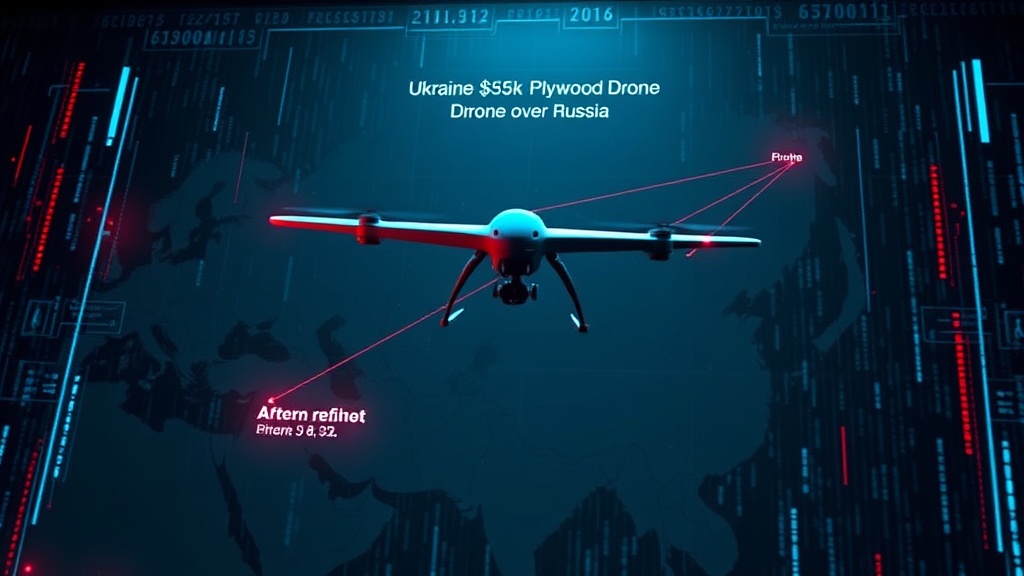
The target, one of Russia's largest gasoline producers, suffered operational disruptions following the attack. The drone's construction, reportedly utilizing plywood and costing around $55,000, highlights a strategic approach by Ukraine: leveraging cost-effective, yet highly effective, technology to achieve significant strategic impact. This contrasts sharply with the expensive, high-tech military hardware often associated with modern warfare. The FP-1 drone's ability to evade detection and reach such a distant target suggests sophisticated navigation, electronic warfare countermeasures, or a combination thereof, challenging Russian air defenses.
The implications of this strike extend beyond the immediate damage to the refinery. It signals a shift in the operational landscape, demonstrating that Russian industrial and energy assets, previously considered relatively secure due to their distance from Ukraine, are now vulnerable. This capability forces Russia to reassess and potentially expand its air defense coverage, diverting resources that could otherwise be used elsewhere. The success of this low-cost drone, capable of such a long and precise mission, also raises questions about the future of drone warfare and the economic viability of using such platforms against high-value targets.
Technological Ingenuity Meets Strategic Necessity
The FP-1 drone, reportedly constructed with readily available materials like plywood, represents a triumph of ingenuity over raw material cost. While specific details of its design and operational capabilities remain limited, its success in completing a 2,500 km mission and striking a major industrial facility speaks volumes. This approach underscores Ukraine's ability to adapt and innovate under pressure, developing systems that are both effective and economical to produce in large numbers. The $55,000 price tag is particularly striking when compared to the cost of sophisticated Western-supplied drones or Russian air defense systems, suggesting a potent asymmetric warfare strategy.
This drone's flight path over 12 hours implies a need for robust navigation systems, fuel efficiency, and potentially a degree of stealth or low observability to avoid detection by Russian radar and aircraft. The fact that it reached Omsk, a city located deep within Siberia, approximately 3,000 km east of the Ukrainian border, is a testament to its engineering. It suggests that Ukraine is not merely relying on short-range attacks but is capable of sustained, long-distance operations. The operational halt at the refinery, even if temporary, represents a tangible economic and logistical blow to Russia's war effort, disrupting fuel supply chains.
The choice of a gasoline refinery as a target is also significant. Energy infrastructure is a critical component of any nation's economy and military capability. By targeting such facilities, Ukraine aims to degrade Russia's financial resources and its ability to sustain its military operations. The economic impact of shutting down a major refinery, even for a short period, can be substantial, affecting domestic supply and export revenues. This aligns with a broader strategy employed by Ukraine to inflict maximum economic pain on Russia while minimizing its own expenditure and risk.
Broader Implications for Drone Warfare and Geopolitics
The success of the FP-1 drone strike in Omsk forces a re-evaluation of current air defense strategies and the economics of warfare. It poses a direct challenge to the notion that advanced, expensive air defense systems are the sole answer to drone threats. Ukraine's demonstrated ability to field long-range, low-cost drones capable of striking deep into Russian territory suggests that a swarm or saturation approach, combined with strategic targeting, can be highly effective. This development could spur other nations facing technologically superior adversaries to invest in similar asymmetric capabilities.
What remains to be seen is the long-term impact on Russia's industrial production and its willingness to tolerate such deep incursions. Will this lead to a significant reinforcement of air defenses in Siberia, or will Russia attempt to retaliate with its own long-range strikes? The psychological impact on the Russian populace and the industrial sector should also not be underestimated. The ability of a drone, seemingly constructed from simple materials, to reach and disrupt a key economic asset raises concerns about national security and the efficacy of existing defense perimeters.
For Ukraine, this strike is more than just a tactical victory; it is a strategic statement. It demonstrates resilience, technological adaptability, and a clear intent to escalate pressure on Russia through unconventional means. The FP-1 drone, a humble yet potent weapon, has proven that innovation and strategic targeting can overcome significant material disadvantages, reshaping the battlefield and offering a glimpse into the future of asymmetric conflict.
The operational disruption at the Gazprom Neft refinery in Omsk is a clear indicator of the effectiveness of Ukraine's evolving drone program. The ability to plan and execute a mission of this magnitude, spanning thousands of kilometers and hours of flight, indicates a level of sophistication that demands serious attention from military analysts and defense planners worldwide. This event is not merely a footnote in the ongoing conflict; it is a significant development that underscores the changing nature of warfare in the 21st century.