
The Need for Static Typing in PHP
PHP powers a staggering 70% of the web, from legacy WordPress installations to modern frameworks. Despite its ubiquity, PHP has historically been a dynamically typed language. This often leads to runtime errors, difficulty in refactoring large codebases, and a less-than-ideal developer experience compared to languages with robust static type systems like TypeScript for JavaScript or Java.
The modern JavaScript ecosystem has largely embraced TypeScript, which offers compile-time checks, better autocompletion, and improved code maintainability. This has raised the question: could a similar paradigm be applied to PHP? The answer, it turns out, is yes, and a new project is aiming to deliver just that.
This initiative is not about replacing PHP but about augmenting it, providing a layer of safety and tooling that has been missing. Think of it less like a complete language rewrite and more like a highly sophisticated linter and type checker that understands PHP's nuances deeply. The goal is to leverage PHP's massive reach while mitigating its traditional weaknesses.
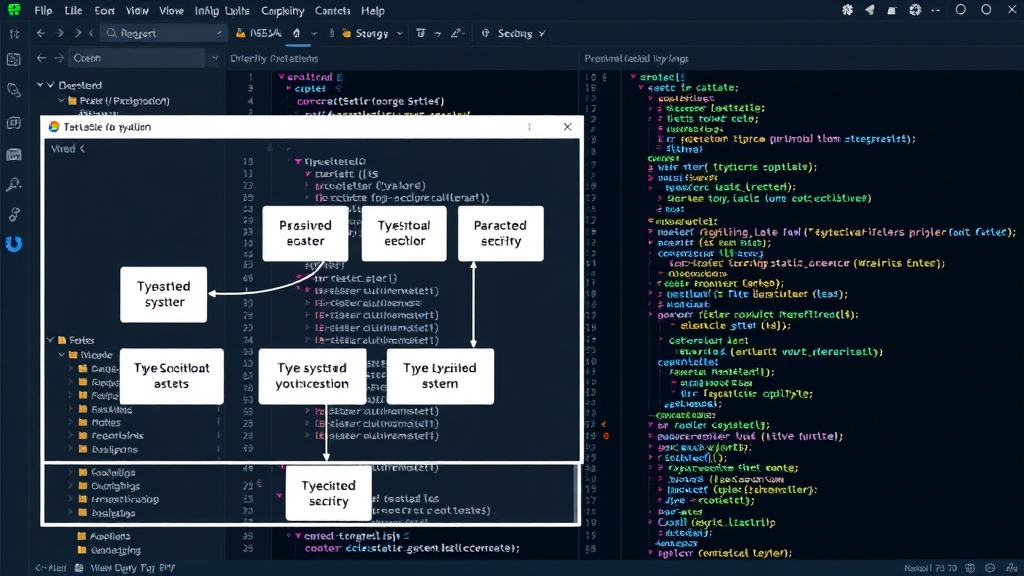
Introducing the PHP Static Type System
The project, inspired by the success of PureScript's approach to JavaScript, aims to bring a similar level of mathematical precision and safety to the PHP world. While PureScript compiles to JavaScript, this new effort focuses on providing a static type system that operates directly within or alongside PHP code.
The core idea is to introduce a type system that allows developers to define types for variables, function parameters, and return values. This system would then perform static analysis to catch type-related errors before the code even runs. This is crucial for large, complex PHP applications where manual type checking and debugging can become incredibly time-consuming and error-prone.
Key features of this proposed system include:
- Type Inference: The system should be able to infer types where they are not explicitly defined, reducing boilerplate code.
- Union and Intersection Types: Support for complex type definitions that mirror modern language features.
- Generics: Enabling the creation of reusable code components that can work with a variety of types.
- Null Safety: Explicit handling of nullable types to prevent null pointer exceptions, a common source of bugs.
- Integration with Existing PHP: The system must be designed to work seamlessly with existing PHP code and libraries, allowing for gradual adoption.
Bridging the Gap: From Dynamic to Static
The challenge lies in retrofitting a static type system onto a language that was designed with dynamic typing at its core. Unlike languages that were built with static typing from the ground up, PHP's flexibility is a double-edged sword. While it allows for rapid prototyping, it can lead to unexpected behavior in production environments.
This project aims to provide a bridge. Developers could start by adding type annotations to new code or critical sections of existing applications. The type checker would then analyze these annotated parts, ensuring type safety. As adoption grows, more of the codebase can be brought under the umbrella of static typing.
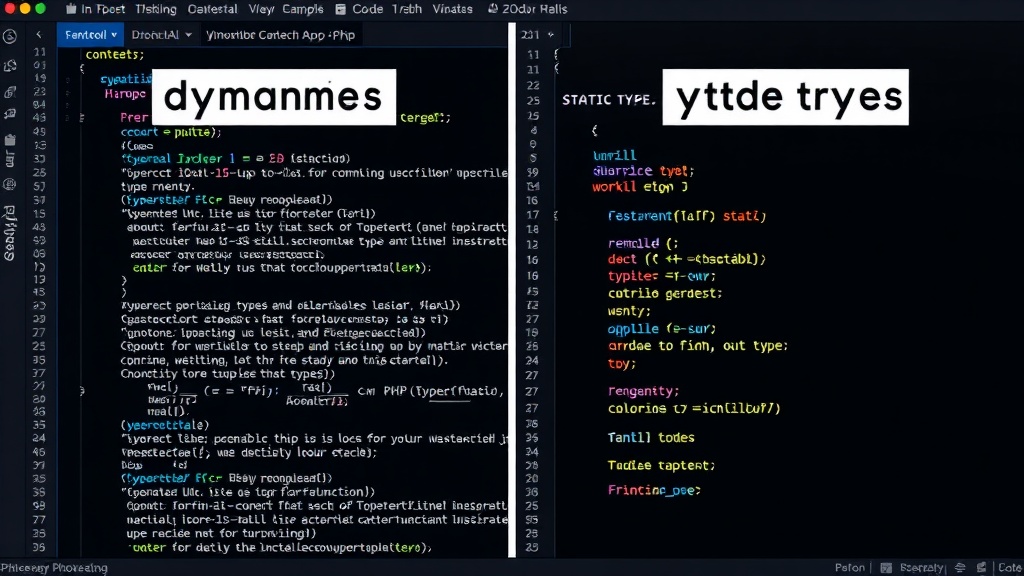
Consider a simple function in PHP that adds two numbers. Without static typing, you might write:
function add($a, $b) {
    return $a + $b;
}
This function will happily accept strings, arrays, or other types, potentially leading to a `TypeError` at runtime. With the proposed static type system, you could define it as:
function add(int $a, int $b): int {
    return $a + $b;
}
The static type checker would immediately flag any attempt to call `add()` with non-integer arguments, preventing runtime errors. This is the kind of safety that TypeScript brings to JavaScript, now being eyed for PHP.
Developer Experience and Tooling
Beyond just catching errors, a robust static type system dramatically improves the developer experience. IDEs can offer more accurate autocompletion, better code navigation, and intelligent refactoring tools. This is akin to the experience developers have in IDEs like VS Code when working with TypeScript, where suggestions and error highlighting are near real-time.
For the vast PHP ecosystem, this means better tooling for frameworks like Laravel, Symfony, and even legacy systems like WordPress. Developers could gain confidence in making changes, understanding the impact of those changes across the codebase, and onboarding new team members more effectively. The maintainability of PHP projects, often a point of contention, could see a significant uplift.
The Unanswered Question: Adoption and Ecosystem Impact
While the technical feasibility of introducing a static type system to PHP is being demonstrated, the true impact will hinge on adoption. Will the PHP community embrace this new tooling? Can it integrate smoothly with the myriad of existing libraries and packages without introducing significant friction? The success of such a project often depends not just on its technical merits but on its ability to become a de facto standard, much like TypeScript did for JavaScript. The path from a promising project to widespread adoption is a long one, fraught with challenges related to developer inertia and the need for comprehensive documentation and community support.
The potential reward, however, is immense: making the development of the web's dominant language safer, more predictable, and more enjoyable for millions of developers worldwide.