The Problem: Overwhelm and Exclusion in Self-Taught Development
Learning to code, or any new technical skill, can be an incredibly daunting task. For self-taught developers, the initial hurdle is often not a lack of motivation, but a lack of direction. Faced with an overwhelming sea of online courses, tutorials, documentation, and blog posts, it's easy to get lost. Beginners struggle to identify what to learn first, how to structure their learning journey, and which resources genuinely offer valuable knowledge versus those that are superficial or outdated. This inefficient initial phase can consume valuable time and lead to frustration, potentially derailing a learner's progress before it truly begins.
Beyond the structural challenges, a significant barrier to entry in the tech industry remains financial. Many aspiring developers and technologists simply cannot afford the rising costs of high-quality courses, bootcamps, or even specialized books. This creates an inherent inequality, where passion and aptitude are secondary to economic circumstance. The belief that learning should be accessible to everyone, regardless of their financial situation, is a core tenet that many in the tech community hold dear. Yet, the practical reality often falls short, leaving motivated individuals behind.
Trove: A Solution for Accessible, Structured Learning
To address these twin challenges of navigational complexity and financial exclusion, developer Isah Alamin has built Trove. Trove is a curated directory of free learning resources designed to provide a clear starting point and a structured path for anyone looking to acquire new technical skills. The platform acts as a compass, guiding users through the often-chaotic landscape of online education.
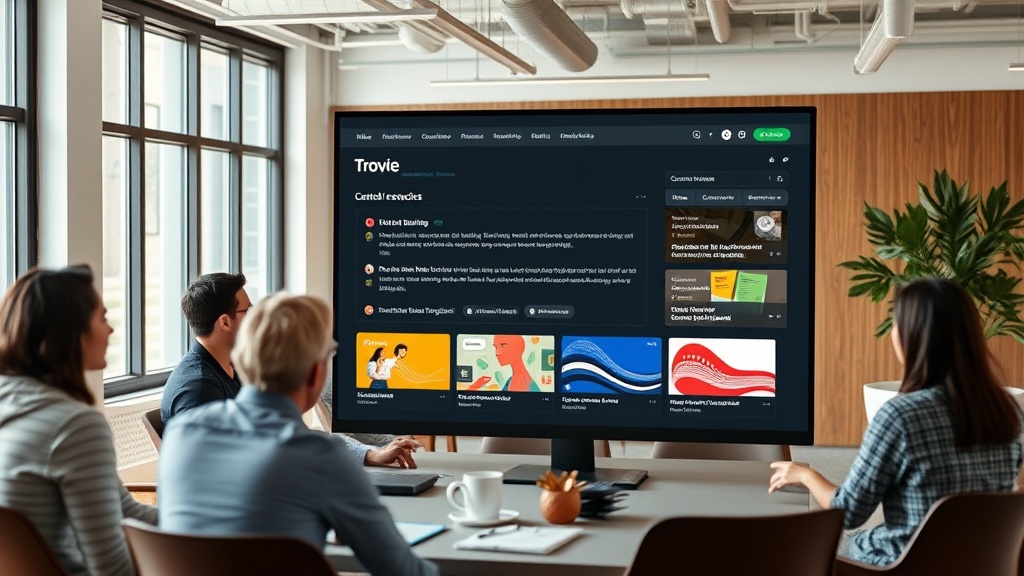
At its core, Trove functions as a centralized repository for high-quality, freely available learning materials. Users can select a topic of interest – for example, a specific programming language, a framework, or a broader area like data science or cybersecurity. Trove then presents a curated list of resources, organized in a logical sequence that mimics a structured curriculum. This approach eliminates the guesswork for beginners, providing them with a defined roadmap and reducing the time spent searching for and vetting individual resources.
The emphasis on 'free' is not merely a marketing angle; it's a foundational principle. Alamin's vision for Trove is rooted in the conviction that educational opportunities should not be gated by cost. By aggregating and organizing existing free content, Trove democratizes access to knowledge, ensuring that financial constraints do not prevent individuals from pursuing their learning goals and advancing their careers in technology.
How Trove Organizes Knowledge
The efficacy of Trove lies in its organizational strategy. Instead of simply listing links, the platform aims to present learning paths. This means that for a given topic, users will find not just a collection of articles or videos, but a sequence that suggests a progression from foundational concepts to more advanced subjects. For instance, when learning a new programming language, Trove might first point to resources explaining basic syntax and data types, followed by tutorials on control flow and functions, then object-oriented programming or functional paradigms, and finally, links to projects or libraries that demonstrate practical application.
This structured approach is critical for effective self-directed learning. It helps learners build a solid understanding of fundamental principles before moving on to complex topics, preventing knowledge gaps that can hinder long-term comprehension and skill development. The curation process involves selecting resources that are not only free but also accurate, up-to-date, and well-explained. This saves learners the considerable effort of sifting through potentially low-quality or outdated material.
While the current iteration focuses on programming and related tech fields, the potential for Trove's model extends far beyond. Imagine structured learning paths for digital art, music production, scientific research methodologies, or even vocational skills – all built upon the foundation of freely available educational content. The platform’s design is flexible enough to accommodate a wide array of subjects, provided that quality free resources exist.
The Future of Accessible Tech Education
Trove represents a significant step towards making technical education more equitable. In an era where digital literacy and specialized tech skills are increasingly vital for economic participation, platforms that lower barriers to entry are invaluable. By leveraging existing open-source educational content and presenting it in a user-friendly, structured format, Trove empowers individuals who might otherwise be excluded due to financial limitations or the sheer complexity of navigating the learning landscape alone.
The success of Trove will likely depend on its ability to maintain a high standard of curation, adapt to the ever-evolving tech landscape by updating resources, and potentially foster a community around shared learning paths. As the platform grows, it could become an indispensable tool for individuals seeking to upskill or reskill, directly contributing to a more diverse and capable technology workforce. It’s a testament to the power of individual initiative in addressing systemic challenges in education.