TRON Dominates USDT Volume, Shifting Developer Focus
TRON processed an astonishing $2.1 trillion in USDT transfers during the second quarter of 2026, according to data from Messari. This figure dwarfs previous transaction volumes and signals a significant shift in the stablecoin landscape. In parallel, circulating USDT on TRON reached $87.9 billion in the same quarter, surpassing Ethereum and establishing TRON as the primary blockchain for USDT activity. These numbers are not mere statistics; they represent a fundamental change in the infrastructure developers must consider when building applications that handle stablecoins.
The implications are profound. Developers can no longer treat stablecoins as abstract assets divorced from their underlying blockchain. The choice of network—in this case, TRON—dictates the technical requirements, user experience, and even the potential for innovation around stablecoin transactions. This shift compels a deeper understanding of blockchain mechanics and smart contract interactions.
Understanding TRC-20 and Its Technical Demands
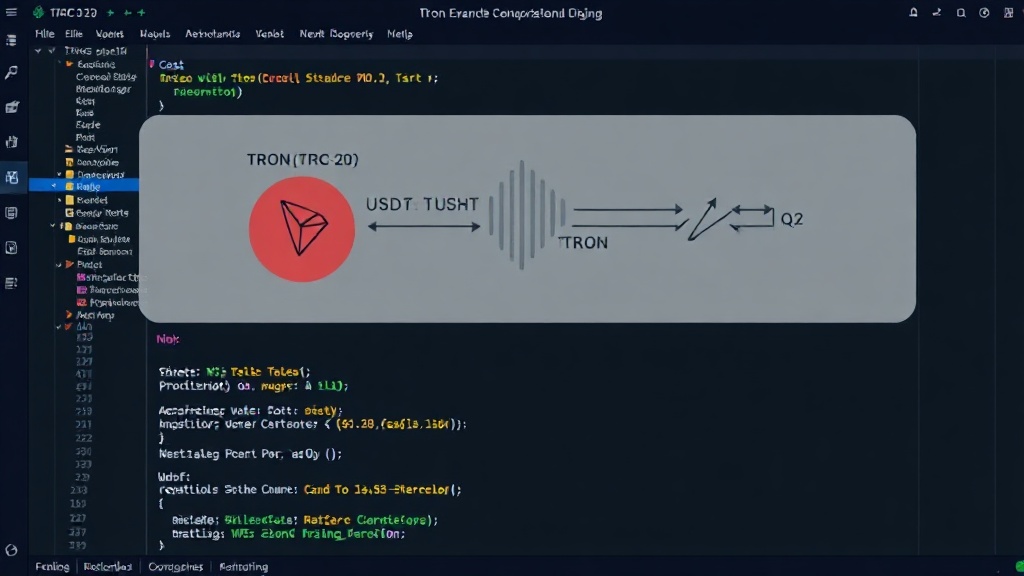
USDT on TRON operates using the TRC-20 token standard. Unlike native coin transfers, a USDT transfer on TRON is executed as a smart contract transaction. When a wallet initiates a transfer, it signs a transaction that triggers the TRC-20 token contract. The network then processes this contract, updating balances on the blockchain. This mechanism requires applications to implement specific logic to correctly handle these transactions.
For any application designed to accept USDT, this means more than just checking an address balance. The system must be robust enough to identify the correct USDT token contract address on the TRON network. It needs to actively monitor for specific transfer events emitted by this contract. Crucially, it must wait for a sufficient number of block confirmations before crediting a user’s balance. This process ensures transaction finality and prevents double-spending or premature balance updates, which are critical for financial applications.
Performance and Cost Implications for Developers
The sheer volume processed by TRON, coupled with its underlying architecture, presents both opportunities and challenges for developers. TRON's network is known for its high throughput and low transaction fees compared to other major blockchains. This makes it an attractive platform for high-frequency stablecoin transactions, such as those seen in payment gateways, remittance services, and decentralized finance (DeFi) protocols.
However, the smart contract nature of TRC-20 USDT means that developers must account for gas fees, even if they are minimal. Understanding TRON's fee structure and how it impacts transaction costs is essential for building cost-effective applications. Furthermore, the speed of confirmation—while generally fast on TRON—still requires careful management. Developers need to balance the need for rapid user experience with the security imperative of waiting for adequate on-chain confirmations.
The Broader Ecosystem and Future Development
The dominance of USDT on TRON is not just a technical footnote; it influences the entire ecosystem developers are building within. As more liquidity and transaction volume concentrate on TRON for USDT, so too will developer attention and tooling. This could lead to a proliferation of TRON-native stablecoin applications, potentially creating network effects that further solidify TRON's position.
Developers who previously focused on Ethereum or other chains for stablecoin integrations may now need to re-evaluate their strategies. Building on TRON requires specific knowledge of its Virtual Machine, consensus mechanisms, and developer tools. The TRON Foundation and community are actively developing resources and support for developers, but the learning curve exists. This migration or expansion of development efforts towards TRON for USDT use cases could reshape the competitive landscape of blockchain-based financial services.
The surprising detail here is not just the volume itself, but how it forces a re-evaluation of blockchain choice as a fundamental design decision for stablecoin applications. It’s no longer just about the token, but the rails it runs on, and TRON's rails are proving exceptionally popular for USDT.
What This Means for Developers
If you are a developer building payment systems, remittance services, or DeFi applications that leverage stablecoins, TRON's USDT volume demands your attention. You must understand the TRC-20 standard and its implications for transaction monitoring and confirmation. Consider the cost-efficiency and speed advantages of TRON, but also the need for specialized development expertise. The ecosystem is rapidly evolving, and staying ahead means adapting to where the liquidity and transaction activity is heading.
The choice of blockchain is now as critical as the choice of programming language or framework for stablecoin applications. TRON's current dominance with USDT indicates that developers who can effectively navigate its ecosystem will be well-positioned to capture opportunities in this rapidly growing segment of the digital asset market.