
The Challenge of Personalized Email at Scale
In today's digital communication landscape, email remains a cornerstone for professional interaction. Yet, maintaining a consistent, personalized tone across numerous conversations, especially as your network grows, presents a significant challenge. Developers, founders, and even individual professionals grapple with the time and cognitive load required to recall past interactions, understand nuanced relationship histories, and tailor responses accordingly. Generic replies risk alienating contacts, while overly generic AI assistants fail to capture the subtle dynamics of human connection. This is the problem ToneBird aims to solve.
ToneBird introduces an AI reply assistant designed not just to draft emails, but to remember the intricacies of your relationships. Unlike standard AI tools that operate on a blank slate for each interaction, ToneBird builds a persistent memory of your communication patterns and the history you share with each contact. This allows for a level of personalization that goes beyond mere keyword matching or stylistic mimicry.
How ToneBird Learns and Adapts
The core innovation of ToneBird lies in its ability to learn and retain context about both the user and their contacts. When you interact with the assistant, it analyzes not only the content of the email you need to reply to but also your past exchanges with that specific individual. This includes understanding the existing rapport, the nature of your professional relationship (e.g., client, colleague, mentor), and the typical communication cadence.
For instance, if you consistently use a more informal and encouraging tone with a particular long-term client, ToneBird will recall this and apply it to new drafts. Conversely, if a new contact requires a more formal and direct approach, the AI will adapt. This memory function is crucial; it transforms the AI from a sophisticated auto-complete tool into a genuine communication partner that understands the 'who' behind the 'what'.
Key Features and User Experience
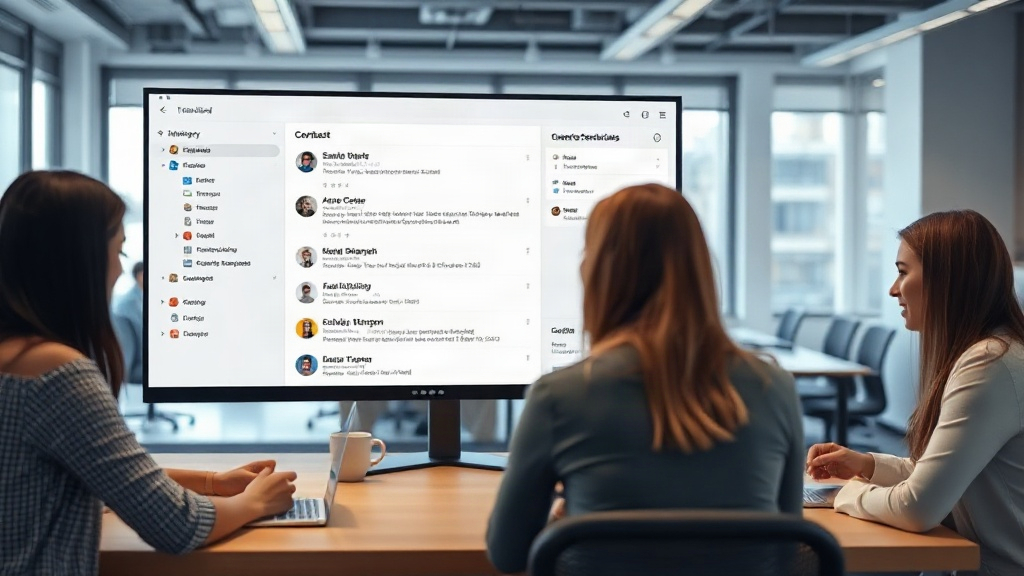
ToneBird focuses on delivering a seamless user experience that integrates directly into existing workflows. Its primary function is to generate reply suggestions that are contextually relevant and tonally appropriate. Users can typically select from multiple generated options, or further refine a chosen suggestion. The AI's ability to remember past conversations means that it can draft replies that reference previous agreements, follow-ups, or shared context without explicit prompting.
This is particularly valuable for busy professionals who might otherwise spend significant time digging through old email threads to find relevant details. The assistant acts as a proactive memory aid, surfacing pertinent information and weaving it into the drafted response. The goal is to reduce the time spent composing emails while simultaneously improving their effectiveness and personal touch. This approach aims to preserve the human element in digital communication, something often lost with generic AI drafting tools.
Implications for Professional Communication
The advent of AI assistants that remember relationships signifies a potential shift in how we approach professional correspondence. For individuals, it means the ability to scale personalized communication without a proportional increase in time or effort. This can lead to stronger professional networks, improved client retention, and more efficient collaboration. The ability to consistently present a thoughtful, context-aware persona can be a significant competitive advantage.
For teams and organizations, adopting such tools could lead to greater communication consistency across departments. It allows for the delegation of routine, yet relationship-sensitive, communication tasks to AI, freeing up human capital for more strategic endeavors. The surprising detail here is not just the AI's ability to draft text, but its capacity to internalize and act upon the social dynamics of professional relationships, a complexity that has historically been difficult for machines to grasp.
The Future of AI in Relationship Management
ToneBird's approach raises compelling questions about the future of AI in managing professional relationships. As these tools become more sophisticated, they could evolve to offer proactive suggestions for nurturing connections, identifying communication gaps, or even flagging potential misunderstandings based on historical interaction patterns. The potential exists for AI to become an indispensable partner in building and maintaining valuable professional networks.
However, this also brings forward considerations around data privacy and the authenticity of AI-mediated communication. Ensuring that the AI's memory and suggestions are used ethically and transparently will be paramount. The ultimate goal is to augment human connection, not to replace it, by leveraging AI to handle the mechanics of communication, allowing humans to focus on the substance and sentiment.