The Challenge of AI Labeling on Social Platforms
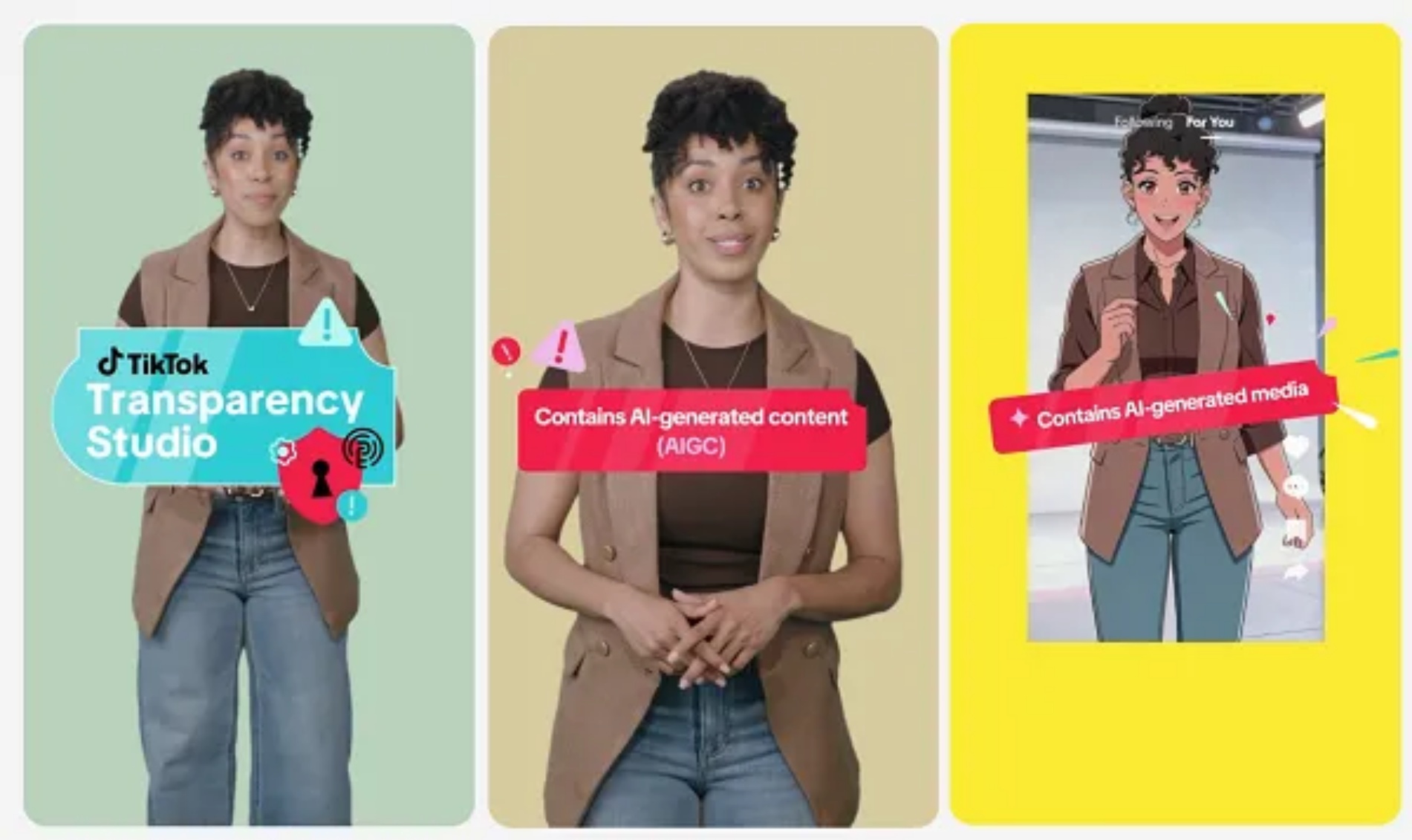
TikTok, an early adopter of AI content labeling, faces a significant hurdle: its transparency tools are not achieving the desired impact. Introduced initially in 2023 and rolled out a year later, these labels were intended to inform users when content was generated or modified by artificial intelligence. However, recent studies from 2025 indicate a stark reality: the presence of these labels has had a negligible effect on user engagement behaviors. One report specifically concluded that simple notifications of AI generation had little sway over respondents' stated willingness to interact with a post.
This finding is critical for platforms grappling with the proliferation of AI-generated content, from deepfakes to synthetic media. The initial approach of merely flagging content appears insufficient to alter user perception or interaction patterns. It suggests that users, accustomed to a constant stream of digital information, may overlook or disregard simple disclaimers, especially when the content itself is compelling or aligns with their existing interests.
The implications extend beyond TikTok. As AI becomes more sophisticated and its output more indistinguishable from human-created content, the methods for ensuring transparency must evolve. Relying solely on passive labels might be akin to placing a small warning sticker on a product that is otherwise marketed aggressively. The core issue is not just *informing* users, but ensuring that information translates into meaningful understanding and, potentially, altered behavior.

Shifting Strategy: From Passive Labels to Active Education
Recognizing the limitations of its current labeling system, TikTok is pivoting its strategy. Instead of solely relying on the effectiveness of on-screen tags, the platform is now focusing on educating its user base about AI-generated content. This move acknowledges that true transparency requires more than a simple notification; it demands a deeper understanding of what AI content is, how it's created, and why it matters.
The specifics of this educational push are still emerging, but the underlying principle is clear: empower users with knowledge. This could involve in-app tutorials, explainer videos, dedicated information hubs, or even interactive modules that demonstrate the capabilities and potential pitfalls of AI-generated media. The goal is to cultivate a more discerning audience, one that can critically evaluate content regardless of whether it's labeled as AI-generated.
This educational approach is more akin to digital literacy training. It aims to equip users with the critical thinking skills necessary to navigate an increasingly complex media landscape. By understanding the nuances of AI generation – its potential for misinformation, its role in creative expression, and its evolving capabilities – users can make more informed decisions about the content they consume and share.
Why Current Labels Fail and What Education Can Achieve
The ineffectiveness of AI labels can be attributed to several factors. Firstly, user attention on social media platforms is fragmented and often driven by immediate emotional responses or algorithmic recommendations. A small label, easily overlooked, struggles to compete with the visual and auditory stimuli of a video. Secondly, the novelty of AI labels may have worn off. As AI becomes more commonplace, users might develop a form of 'label fatigue,' treating such disclaimers as background noise.
Furthermore, the very definition of 'AI-generated' can be ambiguous. Content might be partially AI-assisted, fully synthesized, or involve AI for editing or enhancement. A simple binary label may not capture this spectrum accurately, leading to confusion or a perception that the labels are inconsistent or inaccurate. This ambiguity can erode trust in the labeling system itself.
TikTok's shift to education attempts to address these shortcomings. By providing context and deeper explanations, the platform can help users understand the implications of AI-generated content. For instance, education could cover how AI can be used to create realistic but fabricated news stories, manipulate public opinion, or generate entirely synthetic visual and audio experiences. It can also highlight the creative potential of AI tools when used responsibly.
The Broader Landscape and Future of AI Transparency
TikTok's predicament is not unique. Social media companies worldwide are wrestling with how to manage the influx of AI-generated content responsibly. Regulators are also paying close attention, with potential for new mandates regarding AI transparency. However, a purely regulatory approach, often relying on technical disclosure, may face similar effectiveness challenges if not paired with user understanding.
The move towards education suggests a more nuanced understanding of the problem. It treats the user not just as a recipient of information but as an active participant in media consumption. If successful, this strategy could foster a more resilient online community, better equipped to identify and respond to AI-driven manipulation or misinformation. The ultimate goal is to ensure that AI tools enhance, rather than undermine, the integrity of the information ecosystem.
What remains to be seen is how effectively TikTok can implement its educational initiatives. Will these efforts reach a broad cross-section of its diverse user base? Can the platform make complex AI concepts accessible and engaging enough to capture user attention? The success of this new strategy hinges on its ability to translate abstract knowledge into practical media literacy skills, a challenge that extends far beyond the confines of a single social media app.