Bridging the Go-to-Market Gap for Technical Founders
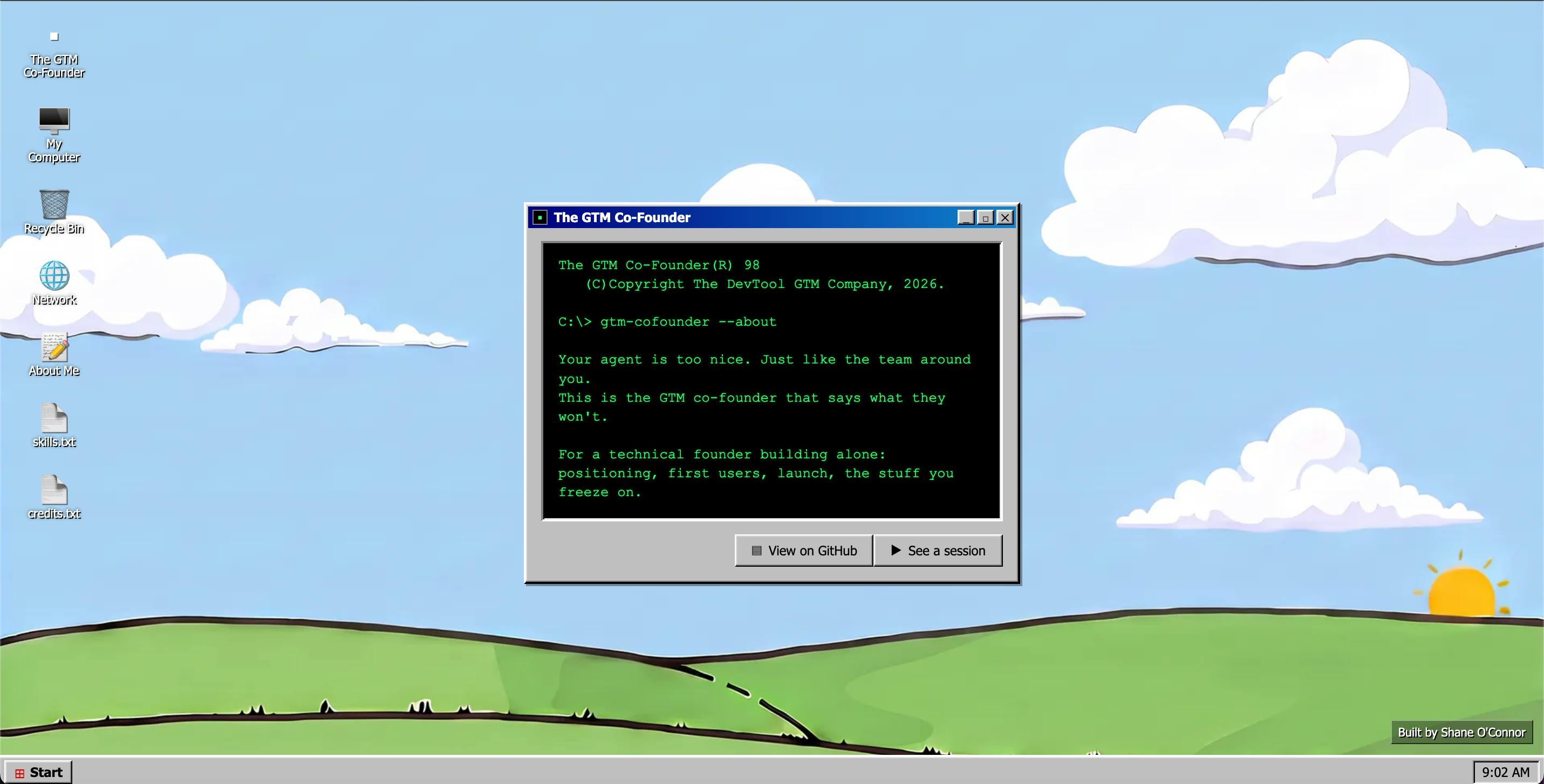
Technical founders often excel at building robust products, but the journey from code to customer can be a daunting, under-resourced phase. The complexities of go-to-market (GTM) strategy—encompassing everything from market segmentation and customer profiling to pricing, sales, and marketing—frequently fall by the wayside. This gap leaves many innovative B2B SaaS products struggling to find traction, not due to a lack of technical merit, but a deficit in commercial execution. The GTM Co-Founder project emerges as a direct response to this perennial challenge, offering a curated, open-source repository of GTM knowledge specifically tailored for founders who are more comfortable with APIs than ARPU.
The initiative, available on platforms like Product Hunt, is built on the premise that essential GTM principles can be demystified and made accessible. It’s not about replacing a dedicated sales or marketing team, but about equipping founders with the foundational understanding and practical frameworks needed to navigate the early stages of commercialization. Think of it less like hiring a full-time CMO and more like having an incredibly organized, experienced mentor who has distilled years of GTM wisdom into actionable playbooks.

Core Components of the GTM Co-Founder Framework
The GTM Co-Founder project structures its offerings around key pillars of GTM strategy, making it digestible for technically-minded individuals. These pillars are designed to guide founders through the critical steps of bringing a product to market and scaling it effectively.
Market Segmentation and Ideal Customer Profile (ICP)
A fundamental aspect of any successful GTM strategy is understanding who your customer is and where they reside. The GTM Co-Founder provides frameworks for identifying and segmenting target markets. This involves moving beyond broad industry categories to define specific firmographics, technographics, and behavioral attributes that characterize the ideal customer. For a technical founder, this means learning to translate product features into tangible business benefits that resonate with specific buyer personas, rather than focusing solely on technical specifications.
Product Positioning and Messaging
Once the target audience is identified, the next step is articulating the product's value proposition in a way that captures their attention. The GTM Co-Founder offers guidance on crafting compelling product positioning statements and messaging that highlight differentiation and address customer pain points. This is crucial for technical founders who might naturally gravitate towards explaining the 'how' of their technology, but need to learn to emphasize the 'what' and 'why' from the customer's perspective. Effective messaging acts as the bridge between a technically sound solution and a market-ready offering.
Pricing Strategy
Determining the right price for a B2B SaaS product is a complex balancing act, involving value-based pricing, competitor analysis, and understanding customer willingness to pay. The GTM Co-Founder provides models and considerations for developing a pricing strategy that reflects the product's value while remaining competitive. This section is particularly vital for technical founders who may not have prior experience in revenue generation and need structured approaches to monetize their innovations effectively. It moves beyond cost-plus models to explore strategies that maximize lifetime customer value.
Sales and Distribution Channels
The project also delves into the mechanics of how a product reaches its customers. This includes exploring various sales models, from self-serve and inside sales to enterprise sales, and identifying the most appropriate channels for a given product and target market. For technical founders, understanding the nuances of different sales cycles, the role of sales enablement, and how to build a scalable sales process is paramount. It provides practical advice on structuring sales teams and processes, even at the earliest stages.
Marketing and Customer Acquisition
Bringing a product to market requires a robust marketing engine. The GTM Co-Founder outlines strategies for customer acquisition, covering digital marketing, content marketing, demand generation, and public relations. It focuses on measurable tactics that technical founders can implement or oversee, emphasizing data-driven decision-making. This involves understanding key marketing metrics, optimizing conversion funnels, and building a sustainable customer acquisition cost (CAC) model.
The Open-Source Advantage and Future Implications
The decision to make this GTM knowledge open-source is a significant one. It democratizes access to critical business education, lowering the barrier to entry for countless startups. By providing these resources freely, the project encourages iteration and contribution from the community, much like successful open-source software projects. This collaborative approach ensures that the GTM frameworks remain relevant and adapt to the evolving market landscape. What remains to be seen is how this open-source movement will influence the education and training offered by traditional business schools and accelerators, potentially pushing them towards more practical, accessible models.
For technical founders, The GTM Co-Founder represents more than just a set of guides; it’s an empowerment tool. It acknowledges their unique strengths while providing the missing pieces to build not just a great product, but a great business. The ultimate success of this initiative will hinge on its adoption and the practical application of its principles by the founders it aims to serve.

The project's value lies in its ability to transform abstract GTM concepts into concrete, actionable steps. Founders can use these resources to conduct their own market analysis, refine their messaging, and begin structuring their sales and marketing efforts with a newfound clarity. It encourages a proactive approach to GTM, rather than a reactive one, which can be the difference between a product that languishes and one that achieves significant market penetration.