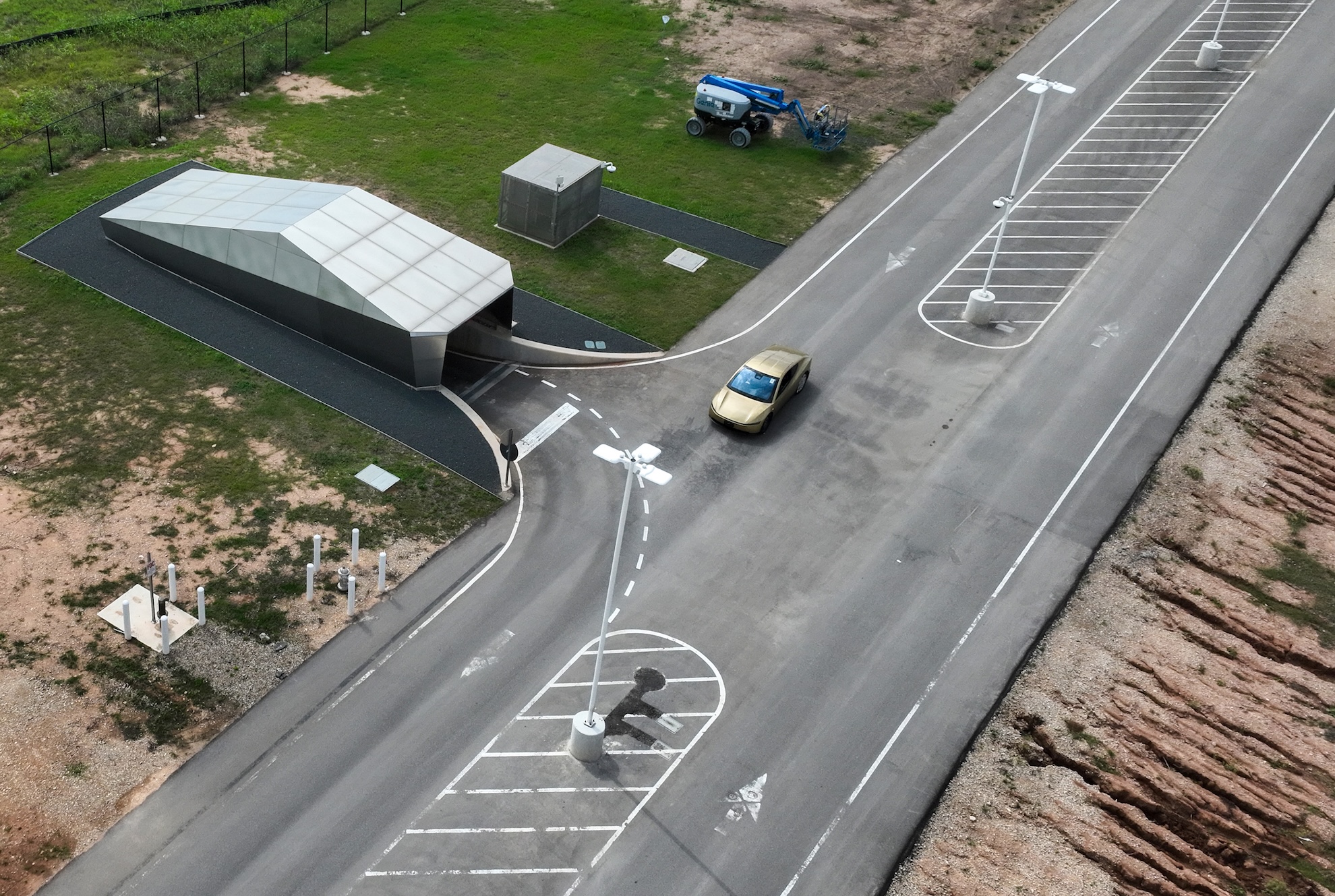
The Driverless Future Arrives, Without the Driver
Tesla is on the precipice of a monumental shift. The company, long synonymous with consumer electric vehicles and Elon Musk’s ambitious promises, is preparing to formally launch the Cybercab – a radical, two-seater autonomous vehicle devoid of traditional controls like steering wheels or pedals. This isn't just a new car; it's a fundamental redefinition of Tesla's business model, a move so significant that it’s being described internally and by observers as the company’s ‘fork in the road’ moment.
The company has begun soliciting interest from potential buyers for these Cybercabs, specifically targeting those interested in operating them as fleets. A form published on Tesla's website asks for information from individuals and entities looking to purchase “Cybercab fleet vehicles.” This outreach signals a clear departure from Tesla's historical focus on individual car ownership, pushing instead towards a service-based, ride-hailing model powered by its own autonomous hardware. If successful, this strategy could reshape the automotive industry, placing Tesla in direct competition with established ride-sharing giants and potentially creating a new revenue stream that rivals its vehicle sales.
Rethinking Ownership: From Garage to Gig Economy
For years, Tesla’s brand has been built on the idea of the enthusiast owner, the early adopter who wants to pilot their own high-performance EV. The Cybertruck, with its polarizing design and utilitarian focus, already hinted at a broadening of Tesla’s appeal. The Cybercab, however, takes this in an entirely new direction. By removing the steering wheel and pedals, Tesla is not just embracing full autonomy; it is implicitly marketing the vehicle as a service, not a personal possession. This is analogous to how smartphones evolved from personal devices to platforms for services like Uber or Lyft. The Cybercab aims to be the platform itself.
This strategic pivot is not without precedent, nor is it without potential pitfalls. Tesla’s history is littered with ambitious projects that either faltered or took far longer than anticipated. The Solar Roof initiative, for instance, was a bold vision for integrated renewable energy that ultimately struggled to gain traction and scale, as detailed in a previous TechCrunch report. The challenges in mass-producing and profitably deploying the Solar Roof highlight the difficulties Tesla faces in executing complex, capital-intensive ventures outside its core automotive manufacturing. The Cybercab, with its reliance on advanced AI and robotics for full self-driving (FSD), presents an even steeper technological and regulatory climb.
The Autonomous Ambition and Regulatory Hurdles
The success of the Cybercab hinges on Tesla’s ability to achieve Level 4 or Level 5 autonomy – a state where the vehicle can operate without human intervention under most or all conditions. While Tesla has been a leader in advanced driver-assistance systems (ADAS) with Autopilot and FSD Beta, achieving true driverlessness, especially in diverse urban environments, remains a significant technological hurdle. Regulatory approval for fully autonomous vehicles operating without a safety driver is also a patchwork of evolving rules across different jurisdictions. Tesla’s aggressive timeline suggests a confidence that these challenges can be overcome, but the regulatory landscape alone could be a substantial roadblock.
What remains unaddressed is the timeline for regulatory certification. While Tesla can build the hardware and software, widespread deployment of a truly driverless fleet will require sign-off from transportation authorities globally. This process is notoriously slow and complex, often requiring extensive safety validation and testing that could delay the Cybercab’s rollout by years, not months. The company’s past struggles with FSD Beta’s capabilities and its renaming to “Full Self-Driving” also raise questions about how regulators will perceive its claims of autonomy for the Cybercab.
Fleet Operators: The New Tesla Customer?
By targeting fleet operators, Tesla is essentially outsourcing the customer-facing aspect of its autonomous vehicle business. Instead of selling cars to individuals who then might use ride-sharing apps, Tesla aims to sell vehicles directly to companies or individuals who will operate them as a service. This model allows Tesla to leverage its manufacturing scale without directly managing the complexities of a global ride-hailing operation. It also potentially accelerates adoption, as fleet operators are incentivized by efficiency and uptime, factors that a driverless vehicle could theoretically optimize.
The form on Tesla’s website asks about the number of vehicles interested parties would purchase, their intended use (e.g., personal fleet, ride-sharing, delivery), and their geographic location. This data will be crucial for Tesla to gauge market demand and plan production. It’s a sophisticated market research play, allowing Tesla to secure potential demand before a full public reveal or launch. The move also positions Tesla to compete directly with companies like Waymo, Cruise, and potentially even traditional automakers who are also investing heavily in autonomous ride-hailing services. The question is whether Tesla’s technology is mature enough to justify this leap, especially given the lessons learned from the more grounded, yet still challenging, Solar Roof project.
A Calculated Risk or a Leap of Faith?
The Cybercab represents a calculated risk for Tesla. It leverages the company's core strengths in EV manufacturing and battery technology while pushing into a new, highly competitive, and technologically demanding market. The success of this venture could propel Tesla into a new era of growth, establishing it as a dominant player not just in car manufacturing but in mobility services. However, the potential for technological setbacks, regulatory delays, and fierce competition means that this 'fork in the road' could also lead to significant challenges. The company's ability to execute on this ambitious vision will determine its future trajectory, much like its past bets have shaped its present.