Fervo Secures Major Power Purchase Agreement with Google
Fervo Energy has inked a significant power purchase agreement (PPA) with Google, securing a 400-megawatt (MW) deal for enhanced geothermal energy. This agreement, which could potentially expand to 1 gigawatt (GW), is a landmark moment for the burgeoning enhanced geothermal systems (EGS) sector and signals strong corporate backing for alternative, baseload renewable energy sources. The power generated is slated to support Google's operations in Utah, potentially fueling a large-scale AI data center. This deal positions Fervo as a key player in the transition towards a cleaner energy grid, demonstrating the commercial viability of EGS at scale.
Enhanced geothermal systems represent a significant leap forward from traditional geothermal power. Unlike conventional methods that rely on naturally occurring hydrothermal resources, EGS technology involves drilling deep into hot, dry rock formations and injecting fluid to create artificial reservoirs. This process fractures the rock, allowing water to circulate and heat up before being brought back to the surface to generate electricity. Think of it less like tapping into a natural hot spring and more like building a highly efficient, underground heat exchanger that can be deployed almost anywhere with sufficient subsurface heat.
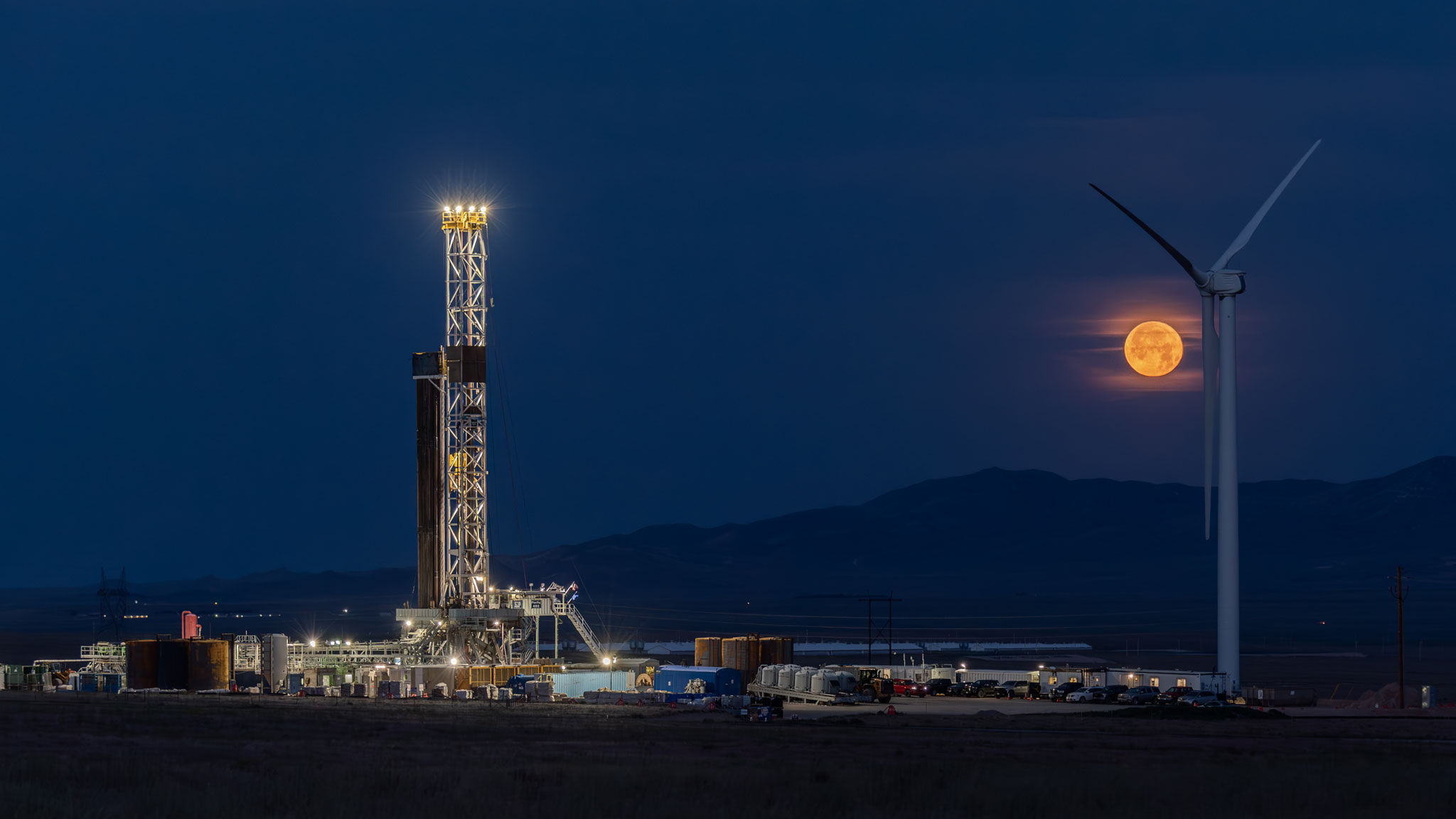
Fervo's approach is particularly innovative. The company utilizes advanced drilling techniques, similar to those used in the oil and gas industry, to create precisely engineered reservoirs. They also employ distributed fiber optic sensing to monitor the subsurface in real-time, optimizing reservoir performance and ensuring safety. This technological sophistication is crucial for making EGS economically competitive and reliable. The ability to generate consistent, 24/7 power, unlike intermittent solar or wind, makes EGS an attractive option for energy-intensive industries like data centers, which require a stable and predictable power supply.
The Strategic Importance of the Google Deal
For Google, this agreement is more than just a renewable energy purchase; it's a strategic move to secure a baseload power source for its increasingly demanding digital infrastructure, particularly its burgeoning AI operations. Data centers, especially those powering advanced AI models, consume vast amounts of electricity around the clock. Relying solely on intermittent renewables requires significant investment in battery storage or backup fossil fuel generation. Enhanced geothermal, with its capacity for constant output, offers a compelling solution to meet these stringent power requirements with a minimal carbon footprint.
The potential expansion to 1 GW is particularly noteworthy. This would represent one of the largest single renewable energy procurements for Google and would be substantial enough to power a very large AI data center. It underscores a growing trend among major tech companies to not only procure renewable energy but to invest in and secure novel, dispatchable renewable technologies that can meet the unique demands of their operations. This deal also provides Fervo with the financial certainty and scale needed to accelerate its development and deployment plans.
The location in Utah is also strategic. Utah has significant underground heat resources and a favorable regulatory environment for energy development. Furthermore, the state is becoming a hub for data centers, driven by factors like available land, power infrastructure, and a skilled workforce. Fervo's projects in the state are expected to create local jobs and contribute to the regional economy. What nobody has fully addressed yet is the long-term impact on the existing energy landscape in Utah and how this influx of EGS power will integrate with or potentially displace other generation sources.
Challenges and the Path Forward for Enhanced Geothermal
Despite the promise, EGS technology still faces hurdles. The upfront capital costs for drilling and reservoir creation are substantial. Public perception and potential environmental concerns, such as induced seismicity, need careful management and transparent communication. Fervo's success hinges on its ability to consistently replicate its technological achievements at scale and bring down costs further. The success of this Google deal will be a critical benchmark for the entire EGS industry.
Other companies are also investing in EGS, but Fervo's technological advancements and its ability to secure major corporate off-take agreements place it at the forefront. The oil and gas industry's expertise in subsurface engineering is proving invaluable, providing a talent pool and technological know-how that is accelerating EGS development. This cross-pollination of skills and technologies is vital for unlocking the Earth's vast geothermal potential.
The broader implications for the energy transition are profound. If EGS can be scaled successfully, it could unlock a vast source of clean, reliable, baseload power globally. This would complement intermittent renewables like solar and wind, providing the grid stability needed to achieve ambitious decarbonization goals. The Fervo-Google deal is a clear signal that the market is ready for such solutions, moving enhanced geothermal from a niche technology to a mainstream contender in the renewable energy race.