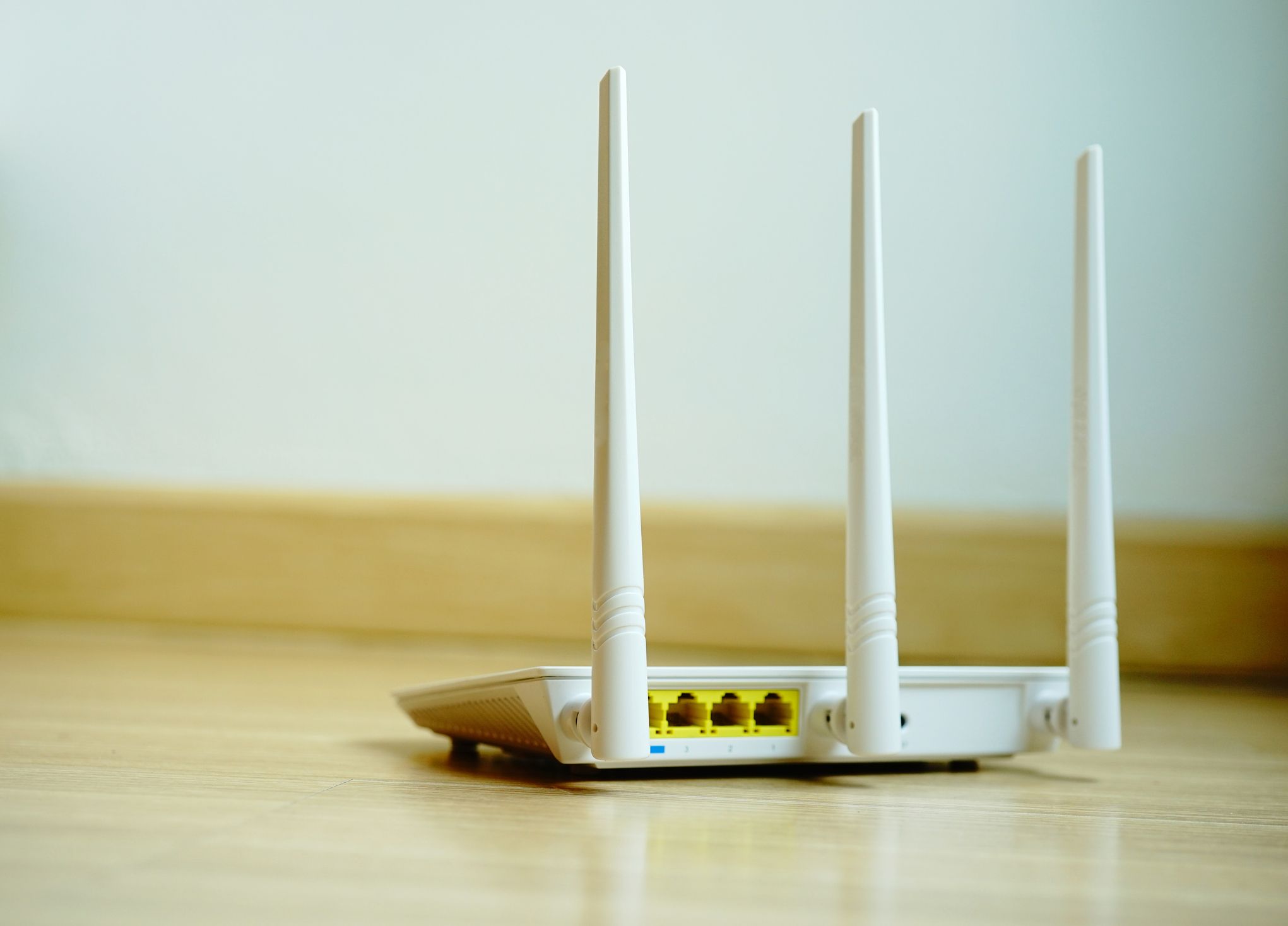
Unpatched Vulnerability Exposes Tenda Router Users
Millions of Tenda router users remain exposed to a critical security vulnerability that allows attackers to gain full administrative control of their devices without any authentication. The flaw, tracked as CVE-2026-11405, has been disclosed by CERT/CC, a division of the Software Engineering Institute at Carnegie Mellon University, but Tenda, a Chinese networking equipment manufacturer, has failed to provide a patch. This oversight leaves users of multiple Tenda router firmware versions susceptible to unauthorized access and potential network compromise.
The vulnerability resides within the authentication mechanism of the affected firmware. Researchers discovered that by manipulating specific network requests, an attacker can bypass the login process entirely. This means that without needing a username or password, an unauthorized party can log in as an administrator, gaining the ability to alter critical network settings, redirect traffic, disable security features, or even deploy malware onto the network. The implications for home users and small businesses relying on these routers for their internet connectivity are severe, ranging from data theft to complete network takeover.
CERT/CC's Unsuccessful Outreach to Tenda
CERT/CC followed its standard responsible disclosure process, attempting to contact Tenda multiple times to inform them of the critical flaw and provide an opportunity to develop a fix. However, their efforts were met with silence. Tenda did not respond to CERT/CC's communications, leaving the vulnerability unaddressed. This lack of vendor engagement is a significant concern, as it indicates a potential disregard for the security of their customer base.
The absence of a patch means that users of affected Tenda router models are left with few options to protect themselves. Standard security advice, such as changing default passwords or enabling encryption, is rendered insufficient against this specific backdoor. Attackers can exploit this vulnerability remotely, targeting devices connected to the internet. The potential for widespread exploitation is high, especially given the commonality of Tenda routers in various markets.

Technical Details of CVE-2026-11405
While the full technical details are not publicly disclosed by CERT/CC to prevent immediate exploitation, the core of the issue lies in a failure to properly validate user credentials. It is understood that the vulnerability can be triggered through a specific sequence of commands or requests sent to the router's management interface. This bypass allows an attacker to execute commands with root privileges, effectively gaining complete control over the device. This level of access enables an attacker to perform actions such as:
- Modifying DNS settings to redirect users to malicious websites.
- Intercepting and logging network traffic, including sensitive data.
- Disabling or reconfiguring firewall rules, opening the network to further attacks.
- Using the compromised router as a pivot point to attack other devices on the local network.
- Potentially flashing the router with malicious firmware.
The fact that this vulnerability has gone unpatched highlights a systemic issue with vendor responsiveness in the IoT and networking device space. Consumers often assume that their hardware is secure, especially when purchased from established brands. However, the Tenda case demonstrates that even critical security flaws can be ignored, leaving users vulnerable for extended periods.
Impact on Users and the Broader Ecosystem
The primary impact falls directly on Tenda router users, who may be unaware that their network security is compromised. For home users, this could mean stolen personal information, compromised online banking credentials, or even ransomware attacks propagated through their home network. For small businesses, the consequences can be even more dire, potentially leading to business disruption, data breaches, and significant financial losses.
Beyond the immediate users, this unpatched vulnerability poses a risk to the broader internet ecosystem. Compromised routers can be enlisted into botnets, used for Distributed Denial of Service (DDoS) attacks, or serve as infrastructure for phishing campaigns. The lack of a timely response from Tenda undermines trust in the security of consumer networking hardware and adds to the growing problem of insecure IoT devices.
What Users Can Do
Given Tenda's inaction, users of affected router models are in a difficult position. The most recommended course of action is to cease using Tenda routers until a patch is released or to replace the device with hardware from a vendor with a demonstrated commitment to security and timely updates. Unfortunately, identifying precisely which firmware versions are affected and whether a patch might eventually be released is challenging due to Tenda's lack of communication.
CERT/CC has indicated that they will release further details if Tenda does not address the issue. Until then, users should be extremely cautious. If you own a Tenda router, consider it a potential security risk. Network administrators should consider implementing additional security measures, such as strong network segmentation, intrusion detection systems, and monitoring for unusual network traffic. The surprising detail here is not the existence of a backdoor, but a major vendor's complete failure to acknowledge or address a critical, remotely exploitable vulnerability affecting their products.
This situation underscores a critical question for consumers and businesses alike: how can we trust networked devices when vendors fail to provide basic security support? The current landscape offers little recourse for users stuck with insecure hardware from unresponsive manufacturers.