The Unwinding of a Deal: Beijing's Intervention
Tencent is reportedly engaged in discussions to reacquire Manus, the mixed-reality headset startup, from Meta. This potential transaction follows a significant intervention by Beijing, which ordered both Tencent and Meta to dismantle a previous deal just six months after its surprise announcement. The intervention underscores the Chinese government's increasing scrutiny over cross-border technology acquisitions and its desire to maintain control over key domestic technology sectors.
The original deal, which saw Meta acquire Manus, was a strategic move for the social media giant as it continued to invest heavily in its metaverse ambitions. Manus, known for its advanced hand-tracking technology and development of high-fidelity VR/AR input devices, was seen as a valuable addition to Meta's Reality Labs division. However, the swift and decisive action by Beijing effectively nullified this acquisition, forcing both tech giants to re-evaluate their positions.
Sources indicate that Tencent is now leading efforts to raise the approximately $2 billion required to buy back Manus. This figure is believed to be close to Meta's original acquisition cost. The situation is complex, as it involves navigating both Meta's strategic interests in the metaverse and Beijing's regulatory directives. The company Manus, caught in the middle of these geopolitical and corporate maneuvers, is reportedly expecting to maintain its operational independence, a crucial point for its future growth and innovation.
Strategic Motivations and Regulatory Hurdles
The intervention by Beijing is not arbitrary. China has been increasingly assertive in regulating its domestic technology landscape, particularly concerning data security, market monopolies, and national strategic interests. Acquisitions involving prominent Chinese companies like Tencent, especially those that could transfer advanced technology or data processing capabilities to foreign entities, are subject to intense scrutiny. The order to unwind the Manus deal signals a clear message from the Chinese government: it will not hesitate to step in when it perceives a threat to its digital sovereignty or economic competitiveness.
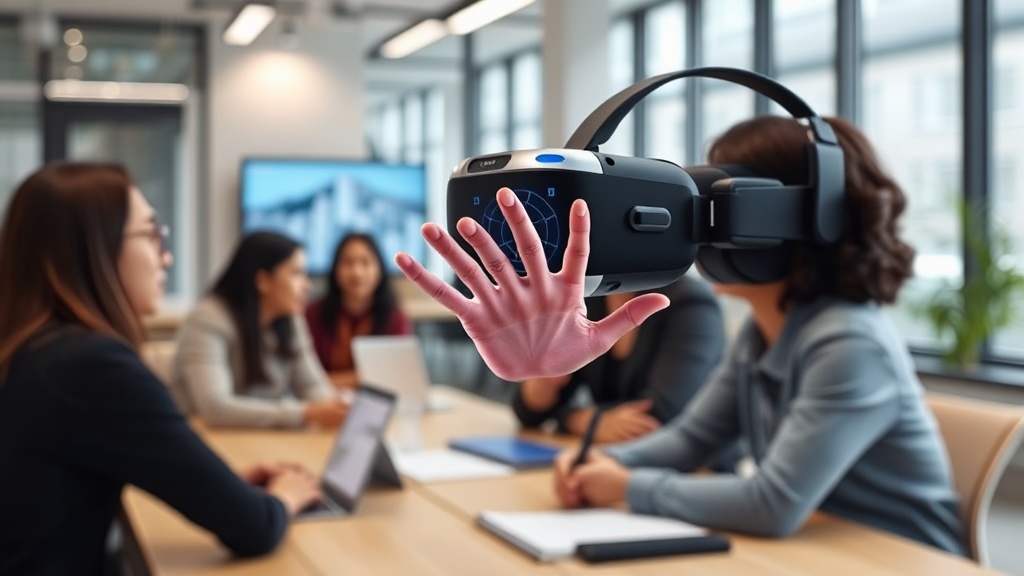
For Tencent, the move to reacquire Manus could be driven by several factors. Firstly, it might be an attempt to comply with Beijing's directives while retaining a strategic asset that was previously within its orbit, albeit indirectly through Meta. Manus's technology in hand tracking and immersive input devices is highly relevant to the burgeoning metaverse and augmented reality markets, areas where Tencent also has significant interests, particularly in gaming and social platforms. By facilitating the buyback, Tencent could be seeking to ensure that this technology remains accessible or under a favorable arrangement, even if not directly owned by them initially.
Meta, on the other hand, finds itself in a position where a strategic acquisition has been abruptly reversed. The company's commitment to building the metaverse, exemplified by its substantial investments in Reality Labs, relies on acquiring and developing cutting-edge hardware and software. The forced divestment of Manus presents a setback, potentially impacting the timeline or capabilities of its future VR/AR hardware. However, Meta's primary focus remains on its broader metaverse strategy, and it may be willing to part with Manus if the terms are financially favorable and do not significantly disrupt its core objectives.
Manus's Position: Independence and Future Prospects
Crucially, Manus itself appears to be navigating this situation with an expectation of continued independence. This suggests that any deal, whether involving Tencent or other investors, would likely be structured to allow Manus to operate autonomously. For a startup focused on innovation, maintaining operational freedom is paramount. It allows for agility, the ability to pursue its own research and development roadmap, and the flexibility to partner with various entities without being solely beholden to a single corporate parent's strategic dictates.
The $2 billion valuation being discussed is significant. It reflects the perceived value of Manus's proprietary technology and its potential in the rapidly evolving XR (Extended Reality) market. Hand tracking, in particular, is a key interface technology for more natural and intuitive interactions in virtual and augmented environments, moving beyond clunky controllers. As the metaverse evolves and AR glasses become more sophisticated, the demand for such advanced input solutions is expected to grow substantially.
The expectation of independence is a critical factor for Manus. It implies that the company is not merely being absorbed but is being supported to grow. This could involve Tencent providing capital and market access within China, while Manus retains the freedom to innovate and potentially collaborate with other global players. The company’s ability to remain independent will be a testament to its strategic positioning and the careful negotiation by its leadership amidst the pressures from Meta and Tencent, all under the watchful eye of Beijing.
Broader Implications for the XR Industry
This situation highlights the intricate geopolitical landscape in which major technology companies operate, especially those with ambitions in frontier technologies like the metaverse and XR. The intervention by Beijing serves as a stark reminder that national interests and regulatory powers can significantly influence global M&A activity. Companies must now factor in not only market dynamics and competitive pressures but also the sovereign interests of governments when planning strategic acquisitions or partnerships.
For the XR industry, the outcome of these talks could have ripple effects. If Manus secures its independence with backing from Tencent, it could emerge as a formidable independent player, potentially supplying its technology across various platforms and hardware manufacturers. This could foster a more open ecosystem, contrasting with a scenario where its technology is exclusively locked within Meta's walled garden. Conversely, if the deal falters or Manus is pressured into a less independent arrangement, it could signal a more consolidated and potentially less competitive future for critical XR input technologies.
The ongoing negotiations between Tencent and Meta over Manus are more than just a corporate transaction; they are a microcosm of the larger tensions between global tech ambitions and national regulatory control. The ability of Manus to chart its own course, independent of the corporate giants involved, will be closely watched by developers, investors, and competitors alike in the fast-moving XR space.