Suno AI's New Policy: Watermarking and Download Restrictions
Suno AI, a prominent platform for generating music using artificial intelligence, is introducing a significant policy shift aimed at legitimizing its technology and curbing misuse. Effective immediately, the company will embed invisible watermarks into all AI-generated audio tracks. This move is a direct response to the escalating challenges posed by the rapid proliferation of AI-generated content across various platforms, including music streaming services.
The watermarking technology, while invisible to the human ear, is designed to be detectable by specialized software. This will allow for the identification of audio content originating from Suno's platform. The company states this measure is crucial to combat what it terms "large-scale abuse" of its AI models. This abuse likely encompasses the unauthorized use of AI-generated music in commercial contexts, the creation of deepfakes, or the flooding of platforms with low-quality, repetitive content.
Alongside watermarking, Suno is also implementing download limits for its generated tracks. While specific numbers were not disclosed, the intention is to prevent users from mass-downloading and distributing vast quantities of AI music without proper attribution or licensing. This dual approach – content identification and usage restriction – signals Suno's intent to move towards a more responsible and controlled deployment of its AI music generation capabilities.
The Rising Tide of AI Music and Platform Challenges
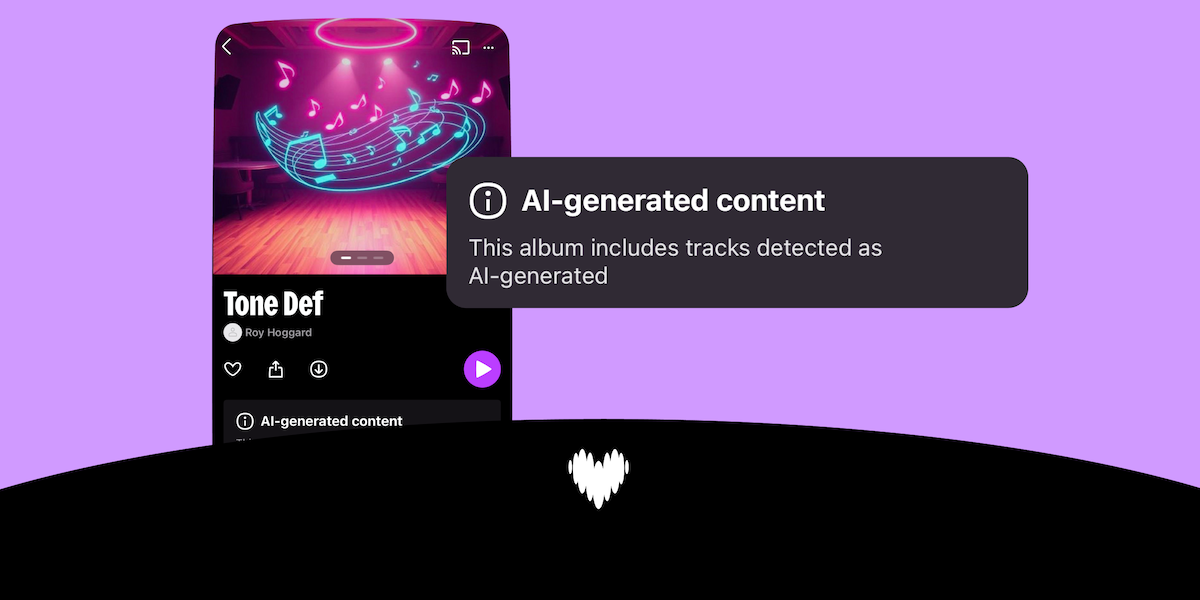
The necessity of Suno's new policies is underscored by recent industry trends. Music streamer Deezer reported that in June, over 90,000 AI-generated tracks were uploaded to its platform daily. This surge represents more than 50% of the total daily uploads, highlighting the exponential growth and widespread adoption of AI music generation tools. Such a volume presents significant challenges for platforms concerning copyright, content moderation, and the overall user experience.
For platforms like Deezer, identifying and managing AI-generated content is becoming increasingly complex. Without clear provenance, distinguishing between human-created and AI-generated music can be difficult, leading to potential disputes over ownership and royalties. The sheer volume also risks drowning out human artists and diluting the creative landscape with potentially derivative or unoriginal works. Suno's watermarking aims to provide a technical solution to this burgeoning issue, offering a way for platforms and rights holders to trace the origin of audio content.
Industry Implications and the Path to Legitimacy
Suno's proactive steps are a clear signal of its ambition to be recognized as a legitimate player in the music industry. By implementing watermarks, the company is attempting to preempt regulatory scrutiny and address ethical concerns that have plagued AI-generated content. This is akin to how early digital photography required robust metadata to track image origins and rights. The goal is to build trust with artists, labels, and platforms, facilitating a future where AI-generated music can coexist with human creativity rather than undermining it.
The effectiveness of these measures will depend on several factors. The robustness of the watermarking technology against sophisticated attempts to remove or obscure it is paramount. Furthermore, industry-wide adoption of standards for AI content identification will be crucial. If other AI music generators follow suit and if platforms develop reliable methods for detecting these watermarks, it could pave the way for a more transparent and sustainable ecosystem for AI-assisted music creation. However, the potential for 'large-scale abuse' remains a significant concern, and Suno's actions are a first step in a complex, evolving landscape.
What remains to be seen is how the music industry, particularly major labels and performance rights organizations, will react to these technical safeguards. Will watermarking be sufficient to address complex copyright issues, or will further legislative and industry-led frameworks be required? Suno's move is a clear indication that the era of AI-generated music is not just here, but it is rapidly demanding integration into established legal and commercial structures. The company is betting that by embracing transparency and control, it can navigate this transition successfully, moving from a novelty to a recognized tool within the creative process.
The download limits, while less technically sophisticated, serve a practical purpose. They aim to prevent mass exploitation and encourage users to engage with the platform's terms of service. This could also be a precursor to future licensing models, where users might pay for extended download rights or commercial use licenses. For now, Suno is attempting to strike a balance between enabling creative exploration and mitigating the risks associated with its powerful AI models, hoping that this measured approach will allow it to "go legit" in the eyes of the industry and the public.