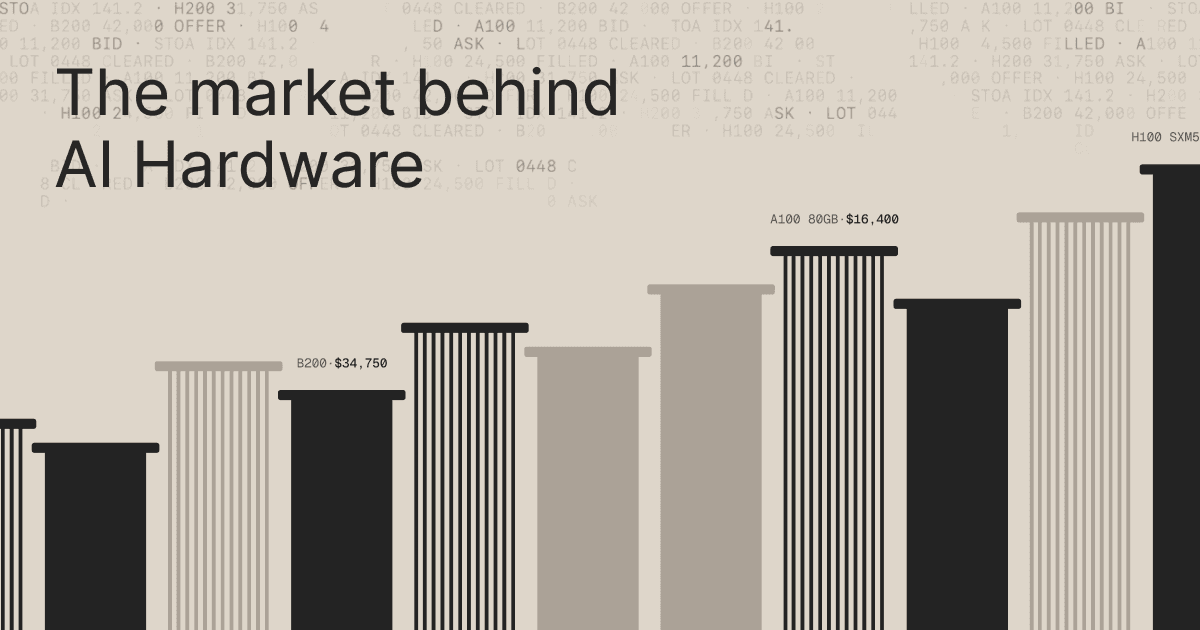
The GPU Bottleneck for AI Development
The exponential growth of artificial intelligence and machine learning has created an unprecedented demand for specialized hardware, particularly Graphics Processing Units (GPUs) and entire AI servers. For many developers, startups, and even established companies, acquiring sufficient computing power is no longer a matter of simply ordering off a shelf. The supply chain for high-end GPUs is notoriously tight, leading to long wait times, inflated prices, and significant frustration for those trying to build and deploy AI models. This bottleneck directly impacts the pace of innovation, as researchers and engineers are forced to wait for hardware resources that are essential for training complex models and running demanding inference tasks.
Recognizing this critical gap, Stoa Markets, a Y Combinator S26 company, has launched a new marketplace designed to connect buyers and sellers of GPUs and AI servers. The platform aims to bring much-needed liquidity and transparency to a market often characterized by opaque pricing and limited availability.
Bridging the Supply-Demand Chasm
Stoa Markets functions as a dedicated exchange where entities with surplus GPU capacity or idle AI servers can list their hardware, and those in need can find and procure these resources. This model offers several advantages over traditional procurement methods. For sellers, it provides an avenue to monetize underutilized assets, turning dormant hardware into revenue. For buyers, it opens up a broader pool of available hardware, potentially at more competitive prices than direct manufacturer channels, and with significantly reduced lead times. The platform is built to facilitate transactions, handling aspects like verification, escrow, and logistics to ensure a secure and efficient process for all parties involved.
The core problem Stoa Markets addresses is the friction inherent in acquiring specialized AI compute. Whether it's a startup needing a few high-end GPUs for a critical training run or a larger organization looking to scale its inference infrastructure, the process of finding, vetting, and purchasing this hardware can be time-consuming and complex. Stoa Markets seeks to simplify this by creating a centralized, trusted environment. Their approach mirrors successful marketplaces in other sectors, applying a proven model to the unique challenges of the AI hardware market.
Features and Functionality
The Stoa Markets platform offers a suite of features designed to cater to the specific needs of the AI hardware ecosystem. Key functionalities include:
- Verified Listings: Sellers must provide detailed specifications and often proof of ownership or operational status for their listed hardware, giving buyers confidence in the assets available.
- Secure Transactions: The platform incorporates escrow services to protect both buyers and sellers, ensuring funds are released only upon successful delivery and verification of the hardware.
- Logistics Support: Stoa Markets provides tools and potentially integrated services to assist with the shipping and handling of sensitive and high-value hardware, a critical component for remote or cross-border transactions.
- Market Intelligence: By aggregating listings and transaction data, Stoa Markets can offer insights into current market pricing, availability trends, and demand patterns, empowering users to make informed decisions.
The surprise here is not the existence of a marketplace, but the focus on specialized AI hardware. While general IT hardware marketplaces exist, Stoa Markets’ dedication to GPUs and AI servers indicates a deep understanding of the current and future compute needs of the AI industry. This specialization allows them to tailor their services and build a community around a specific, high-demand niche.
The Future of AI Compute Acquisition
The launch of Stoa Markets arrives at a pivotal moment. As AI adoption accelerates across industries, the demand for compute power will only intensify. Companies that can efficiently access and manage their hardware resources will gain a significant competitive advantage. Stoa Markets is positioning itself as a key facilitator in this ecosystem, aiming to become the go-to platform for acquiring and liquidating AI compute assets. The company's background as a Y Combinator S26 participant suggests a strong focus on scalability and product-market fit, crucial for navigating the complexities of the hardware market.
While the platform is new, its potential impact is substantial. By reducing the friction in acquiring essential AI hardware, Stoa Markets can help accelerate research, development, and deployment of AI technologies. This could lead to faster innovation cycles and a more democratized access to powerful computing resources, enabling a wider range of individuals and organizations to participate in the AI revolution.
What remains to be seen is how Stoa Markets will scale its operations to meet potentially massive demand and ensure the quality and reliability of the hardware transacted on its platform. The logistical challenges of moving high-value, sensitive equipment globally are significant, and the platform's success will hinge on its ability to manage these complexities effectively.