A New Machine Meets an Old Nightmare
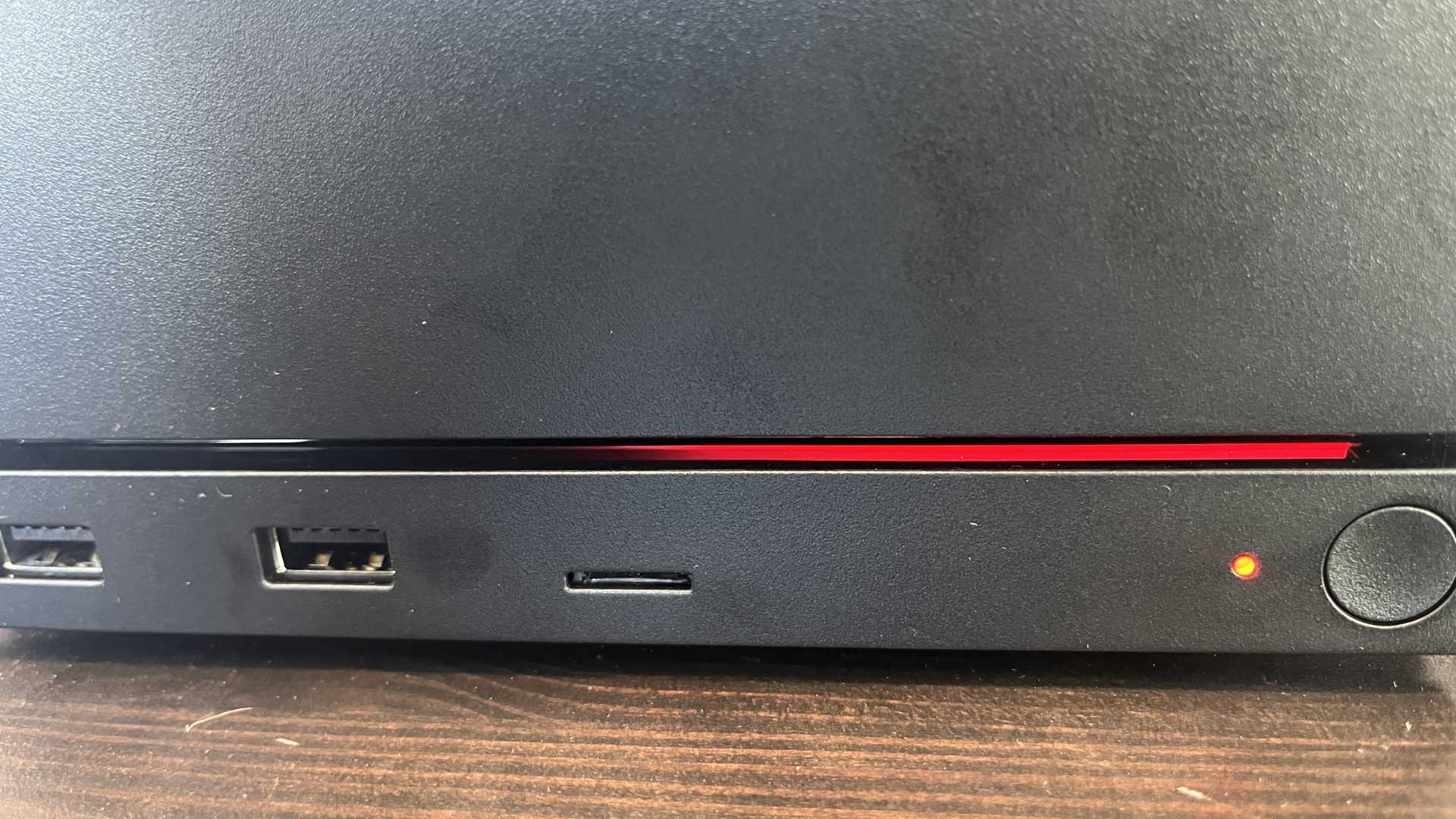
The dream of a powerful, PC-like gaming console in the living room has seen various iterations, with Valve's Steam Machine being a notable, albeit ultimately unsuccessful, attempt to capture that market. While the Steam Machine platform itself has largely faded, the hardware still exists in the hands of enthusiasts. For one such user, the experience has been a stark, unwelcome reminder of a dark chapter in console history. A brand-new Steam Machine, purchased recently, suffered a catastrophic GPU failure, manifesting as the dreaded "Red Line of Death" (RLOD), after mere minutes of use and a subsequent system update. This incident eerily echoes the widespread hardware failures that plagued the original Xbox 360.
The user, sharing their plight on Reddit, detailed how their new console powered on, allowed for approximately five minutes of gameplay in 'No Man's Sky,' and then, following a system update, presented them with the unmistakable sign of a dead GPU. The console was effectively "bricked," rendering it inoperable. The Red Line of Death was an infamous indicator of general hardware failure, most commonly associated with the GPU, on the Xbox 360. Its appearance on a brand-new Steam Machine, a device with a different architecture and a decade removed from the 360's launch woes, is a deeply concerning development for any owner of such hardware.
The Unsettling Parallels to the Xbox 360's RROD
The Xbox 360's Red Ring of Death was a pervasive issue that affected millions of consoles, leading to significant financial losses for Microsoft and widespread user frustration. The problem was largely attributed to a combination of thermal stress and poor solder joint integrity, causing GPUs and other critical components to fail. While the exact root cause on this Steam Machine is unknown, the visual and functional symptom – a red line indicating GPU failure – is a chillingly similar manifestation of hardware breakdown. The fact that this occurred on a new device, shortly after a software update, raises questions about potential hardware defects exacerbated by software, or perhaps a coincidence that highlights underlying hardware fragility.
What is particularly striking is the short timeframe. Five minutes of gameplay followed by an update is not indicative of heavy use or prolonged stress that might be expected to cause failure in older, worn-out hardware. This suggests a potential manufacturing defect or a component that failed under minimal load. The update itself could be a red herring, or it could have stressed a component already on the brink of failure, much like how early Xbox 360s might have experienced issues during initial setup or intensive gaming sessions. The lack of widespread reports of this specific issue on Steam Machines to date makes this a singular, and perhaps more alarming, case for the individual affected.
The Aftermath and Implications
For the user, the immediate consequence is a non-functional, expensive paperweight. Given that Steam Machines were not a long-term commercial success, obtaining replacement parts or official support for such a device could be exceptionally challenging, if not impossible. This situation highlights the inherent risks associated with niche hardware or older console platforms, where long-term support and availability of parts are not guaranteed. It’s a harsh lesson in the fragility of consumer electronics, particularly when they operate under demanding conditions like gaming.
The incident also serves as a cautionary tale. While the Steam Machine platform is largely defunct, many users still rely on these devices. The possibility of a critical hardware failure, especially one that mirrors such a infamous issue from console history, underscores the importance of robust hardware design and manufacturing. It begs the question: are there other, as-yet-undiscovered hardware vulnerabilities lurking in these systems that could manifest under specific conditions? For anyone still operating a Steam Machine, vigilance regarding system temperatures and any unusual behavior would be prudent, though ultimately, a component failure is often beyond user control.