The Evolving Threat of Autonomous Weapons
The proliferation of killer drones, particularly autonomous and semi-autonomous systems, presents a novel and escalating threat. These unmanned aerial vehicles (UAVs) are increasingly equipped with sophisticated sensors and artificial intelligence, enabling them to identify, track, and engage targets with minimal human intervention. For individuals and forces operating in contested environments, the ability to remain undetected is shifting from a tactical advantage to a fundamental requirement for survival. The threat landscape is no longer defined by visual spotting or audible detection alone; a complex interplay of thermal, radar, acoustic, and even electronic signatures must now be managed. Traditional camouflage and concealment methods, effective against human eyes, are proving insufficient against advanced sensor suites. Drones can operate day and night, in various weather conditions, and can be equipped with high-resolution cameras, infrared imagers, and radar systems capable of penetrating foliage or detecting minute heat differentials. This forces a paradigm shift in defensive thinking, moving beyond static concealment to active or passive signature management and environmental manipulation.Understanding Drone Sensor Technologies
To effectively hide from killer drones, one must first understand what they are looking for. The primary sensor types employed by modern combat UAVs include:- Electro-Optical/Infrared (EO/IR) Sensors: These cameras detect visible light and thermal radiation. They are excellent for identifying targets by shape, color, and heat signatures. A warm engine or a person's body will stand out against a cooler background, especially at night or in low-light conditions.
- Radar: Synthetic Aperture Radar (SAR) and other radar systems can penetrate cloud cover, fog, and even foliage to detect objects based on their reflectivity. They are particularly effective at detecting movement and identifying the general shape and size of targets, regardless of visual obscurants.
- Acoustic Sensors: While less common for direct targeting at range, arrays of microphones can detect the distinctive sound signatures of engines, propellers, or even human movement, aiding in initial detection and localization, especially for smaller, quieter drones.
- Electronic Warfare (EW) Sensors: Drones may also be equipped with sensors to detect radio frequency (RF) emissions from communication devices, sensors, or even the electronic signatures of vehicles.
Passive Concealment Strategies
Passive strategies focus on minimizing or masking detectable signatures without actively emitting signals or expending energy. These are the most fundamental and often the most sustainable methods.Thermal Signature Management
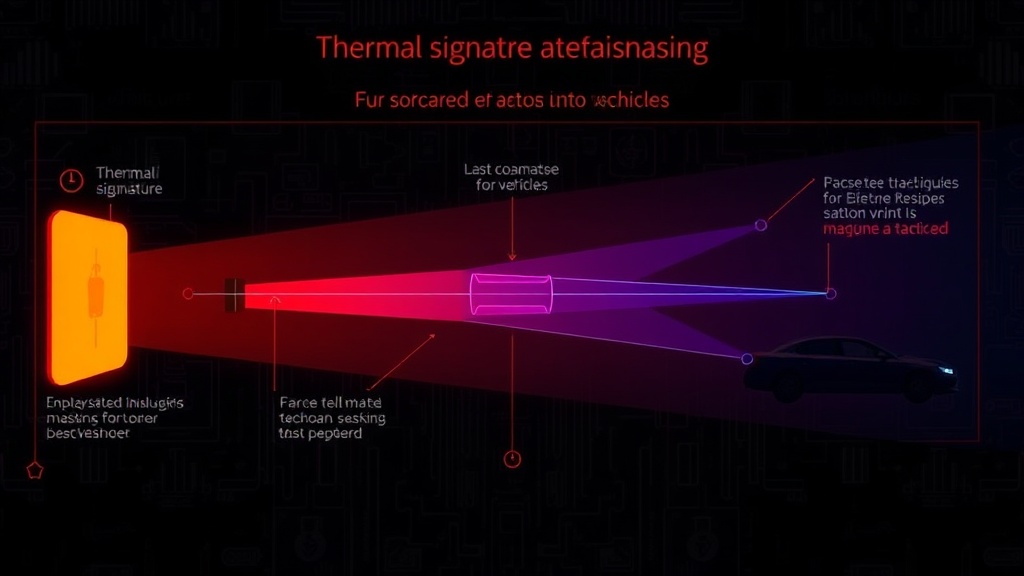
Heat is a primary tell. Operating during cooler periods, such as early morning or late evening, can reduce thermal contrast. Utilizing natural terrain features that offer thermal shielding, like dense tree canopies or rock overhangs, is also effective. For static positions, insulating materials or specialized thermal blankets can disrupt the emission of heat. Think of it less like a ghost hiding in the dark and more like a cold-blooded lizard seeking shade – blending with the ambient thermal environment is paramount.