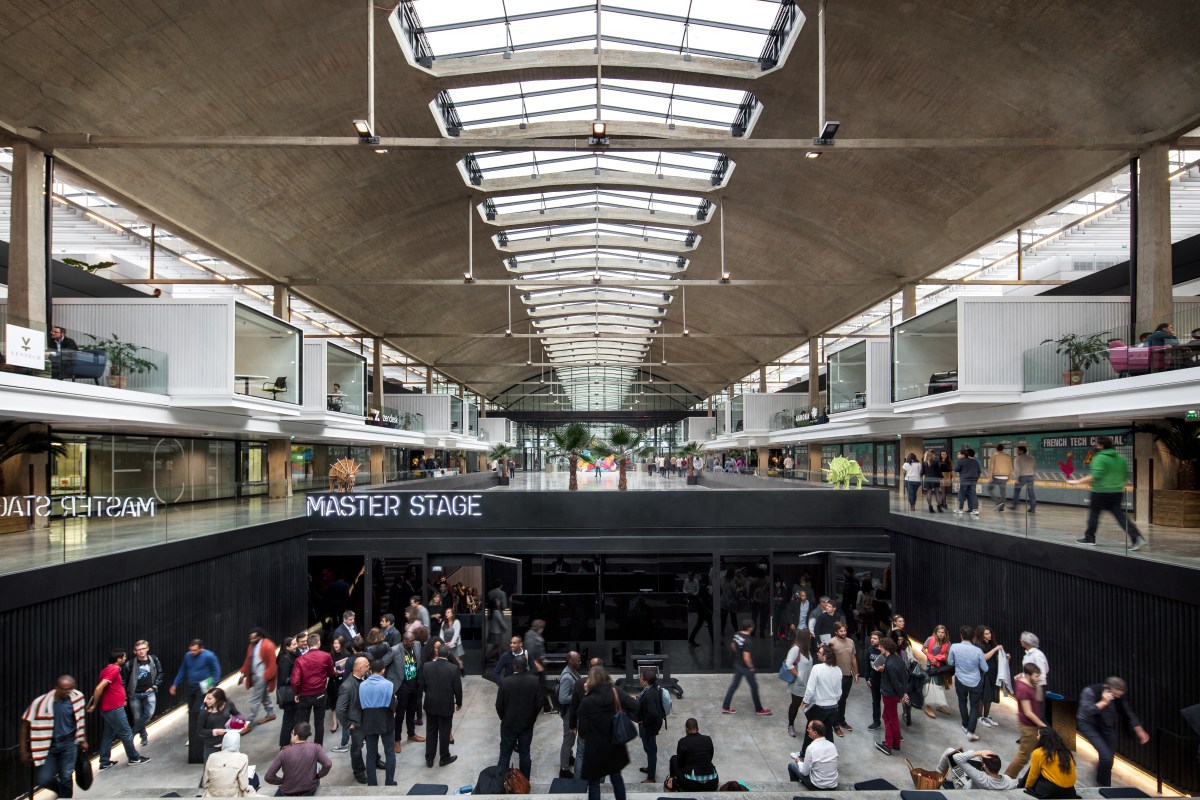
Station F's Renewed Focus on AI
Station F, the colossal Parisian startup campus founded by French billionaire Xavier Niel, is doubling down on its commitment to artificial intelligence. The latest iteration of its F/ai accelerator program signals a strategic ramp-up, aiming to solidify its position as a critical launchpad for Europe's most promising AI startups. This initiative is more than just a cohort; it represents a concentrated effort to nurture the next wave of AI innovation emerging from the continent, providing a structured environment for growth, mentorship, and investment.
The F/ai program is designed to attract and support early-stage AI companies, offering them access to Station F's extensive network, resources, and a curated curriculum tailored to the unique challenges of the AI sector. By focusing on AI, Station F is aligning itself with one of the most dynamic and rapidly evolving fields in technology today. The accelerator provides a crucial stepping stone, helping startups navigate the complex landscape of AI development, from cutting-edge research to market deployment.
This renewed emphasis comes at a time when Europe is increasingly seeking to establish its own distinct voice and capability in the global AI race. While other regions, particularly the United States and China, have long dominated AI research and commercialization, European hubs like Station F are vital for fostering a localized ecosystem that can compete on the world stage. The program's structure is intended to provide not just funding, but also the strategic guidance necessary to scale effectively in a highly competitive market.
The Accelerator's Value Proposition
Station F's F/ai accelerator is built on a model that offers a multifaceted support system. Startups selected for the program gain access to a deep bench of mentors, including seasoned entrepreneurs, AI researchers, and venture capitalists. These mentors provide invaluable guidance on everything from product development and go-to-market strategies to fundraising and team building. The program's curriculum is intensive, covering key areas such as machine learning operations (MLOps), data strategy, ethical AI development, and intellectual property protection – all critical components for AI ventures.
Furthermore, the F/ai program leverages Station F's unparalleled physical infrastructure. The campus itself is designed to foster collaboration and innovation, housing thousands of entrepreneurs, developers, and corporate partners under one roof. This environment facilitates serendipitous encounters, knowledge sharing, and potential partnerships that are difficult to replicate elsewhere. For AI startups, this means proximity to potential clients, collaborators, and even future employees who are part of the vibrant Station F community.
A key differentiator for the F/ai accelerator is its focus on connecting startups with corporate partners. Many large European corporations are actively seeking AI solutions to enhance their operations, and Station F provides a direct channel for these companies to discover and engage with innovative startups. This not only offers a potential exit strategy or significant revenue stream for the startups but also helps to bridge the gap between cutting-edge AI research and real-world industrial application. It's less about just getting funded and more about getting integrated into the broader European economy.

Cultivating Europe's AI Talent
The strategic importance of Station F's AI focus cannot be overstated. Europe has a strong foundation in scientific research and engineering talent, but historically, it has lagged in translating that potential into globally dominant tech companies, particularly in areas like AI. Accelerators like F/ai are essential in bridging this gap, providing the necessary commercialization expertise and network access that often eludes academic spin-offs and early-stage ventures.
The program’s success will be measured not just by the number of startups it supports, but by their ability to achieve significant milestones: securing follow-on funding, developing groundbreaking products, and creating high-value jobs within Europe. The F/ai accelerator aims to foster a new generation of AI leaders who can compete with, and perhaps even surpass, their counterparts in other global tech hubs. It’s about building a sustainable AI ecosystem, not just a collection of individual companies.
What remains to be seen is how the program will adapt to the ever-accelerating pace of AI development. The field is characterized by rapid advancements in models, algorithms, and applications. Station F's ability to continuously update its curriculum, attract specialized mentors, and connect startups with the right industry partners will be crucial for its long-term impact. The accelerator must remain agile, reflecting the dynamic nature of AI itself.
Market Context and Future Outlook
Station F's intensified focus on AI startups aligns with broader European efforts to bolster its digital sovereignty and technological competitiveness. Governments and private entities across the continent are investing heavily in AI research and development, recognizing its potential to drive economic growth and address societal challenges. By positioning itself as a central hub for AI innovation, Station F plays a pivotal role in this continental strategy.
The competition for AI talent and investment is fierce. Numerous other accelerators, incubators, and venture funds are targeting the AI space. Station F's advantage lies in its scale, its established reputation, and its unique ecosystem model that integrates startups, corporations, and educational institutions. The F/ai program is essentially a concentrated bet on the future of AI in Europe, aiming to harness the continent's intellectual capital and translate it into tangible economic and technological advancements.
As AI continues to permeate every sector, the demand for specialized support for AI startups will only grow. Station F's F/ai accelerator is well-positioned to meet this demand, acting as a vital engine for innovation and a testament to Europe's burgeoning AI ambitions. The program's success could serve as a blueprint for other innovation hubs looking to cultivate deep-tech ventures in a rapidly evolving technological landscape.