The Digital Frontline of Care

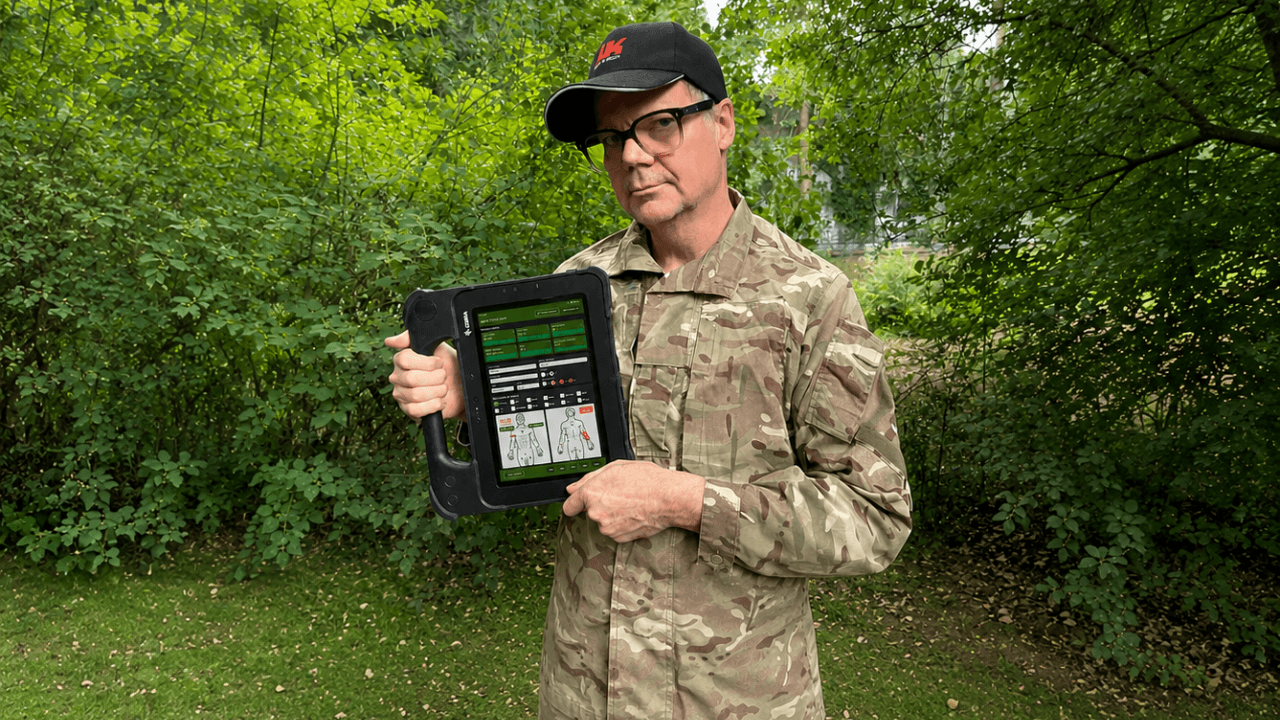
The chaos of the modern battlefield presents immense challenges for medical personnel. Traditional methods of tracking casualties, administering care, and coordinating evacuations are often overwhelmed by the speed and intensity of conflict. Recognizing this critical gap, a startup named AO is emerging with a mission to digitize battlefield medicine. Their approach integrates cutting-edge wearable technology, comprehensive digital patient records, and sophisticated data analysis to significantly improve outcomes for wounded soldiers and civilians. At its core, AO's system is designed to provide real-time, actionable information to medical teams, regardless of their location on the front lines. This is achieved through a multi-pronged strategy that focuses on capturing patient data at the point of injury, standardizing its management, and leveraging that data for more efficient and effective treatment and evacuation. The technology stack begins with wearable sensors. These are not merely fitness trackers; they are ruggedized devices capable of monitoring vital signs such as heart rate, blood oxygen saturation, body temperature, and even basic EKG readings. These sensors are designed to be applied quickly by medics or even self-applied by the casualty if conscious. The data they collect is streamed wirelessly to a central platform, providing an immediate, objective snapshot of the patient's physiological state. This continuous stream of vital signs is then integrated into a digital patient record. Unlike paper-based systems or disparate digital files, AO's platform creates a unified, longitudinal record for each casualty. This record captures not only the sensor data but also initial injury assessments, administered treatments, medications given, and the time of each intervention. This level of detail is crucial for understanding the progression of a patient's condition and for ensuring continuity of care as they are moved through different echelons of medical support. One of the most significant challenges in battlefield medicine is the coordination of casualty evacuation. Knowing where casualties are, their condition, and the available transport assets is paramount. AO's system addresses this by providing a clear overview of the situation. Medics on the ground can update the status of casualties, and the system can automatically suggest the most appropriate evacuation routes and assets based on proximity, patient acuity, and available resources. This intelligent routing is powered by algorithms that analyze real-time battlefield conditions, including threat levels and infrastructure status.
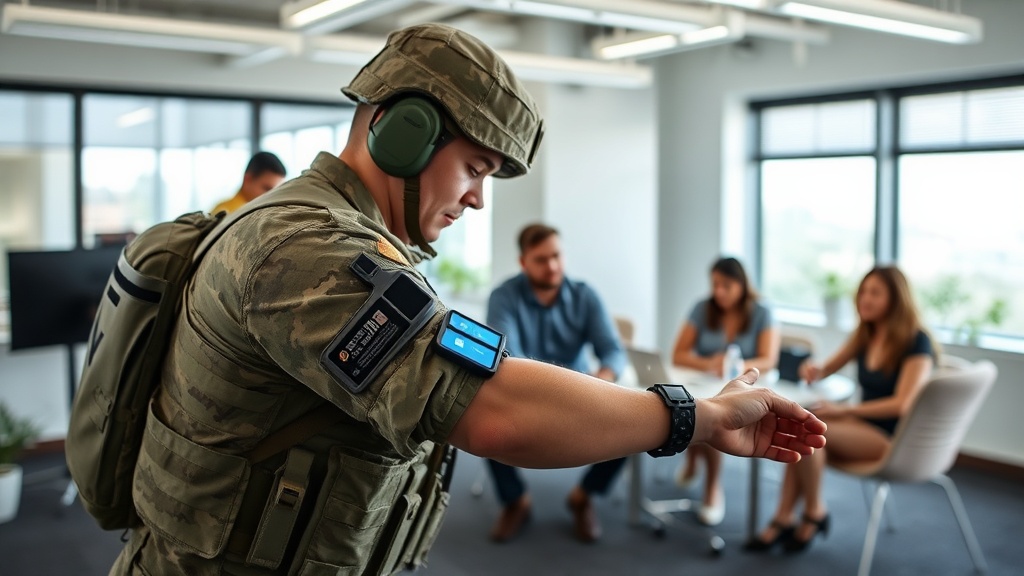
Wearable sensor device being applied to a soldier's arm on a simulated battlefield

Beyond Triage: Predictive Care and AI Augmentation

AO's ambition extends beyond mere data collection and logistics. The startup is actively developing AI-powered tools to assist medical personnel. These tools can analyze the collected patient data to predict potential complications, such as sepsis or hemorrhagic shock, before they become critical. By flagging these risks early, medical teams can proactively intervene, potentially saving lives that might otherwise be lost due to delayed recognition of deteriorating conditions. The AI also assists in treatment recommendations. Based on the specific injury type, the patient's vitals, and historical treatment data, the system can suggest evidence-based protocols. This is particularly valuable in high-stress environments where cognitive load is immense and medical personnel may be operating outside their usual areas of expertise. The system acts as a digital consultant, offering guidance that aligns with best practices and the latest medical knowledge. Furthermore, AO is exploring the integration of drone technology. Drones can be used for rapid delivery of essential medical supplies, such as tourniquets or advanced wound dressings, directly to casualties in hard-to-reach areas. They can also be equipped with cameras for remote assessment of injuries or to scout safe evacuation routes. The data from these drones can be fed into the AO platform, creating a more comprehensive operational picture. The company's focus on Ukraine, a theater of war where technological innovation is rapidly being tested and adopted, highlights the immediate relevance of their work. The insights gained from deploying their system in such a demanding environment are invaluable for refining the technology and demonstrating its efficacy under extreme conditions. This real-world validation is critical for gaining broader adoption. What remains to be seen is the scalability of such a system. The battlefield is an environment of extreme variability, from infrastructure availability to electronic warfare. Ensuring the robust and secure operation of a digitally dependent medical system under such duress will be a significant engineering and logistical challenge. The ability to maintain connectivity and data integrity in contested zones is paramount. AO's vision is to create a seamless digital thread from the point of injury through to definitive care. This thread ensures that every medical professional who encounters a casualty has access to the most complete and up-to-date information, enabling better, faster decisions. By digitizing battlefield medicine, AO aims to transform a historically analog and often ad-hoc process into a data-driven, optimized system, ultimately preserving more lives.