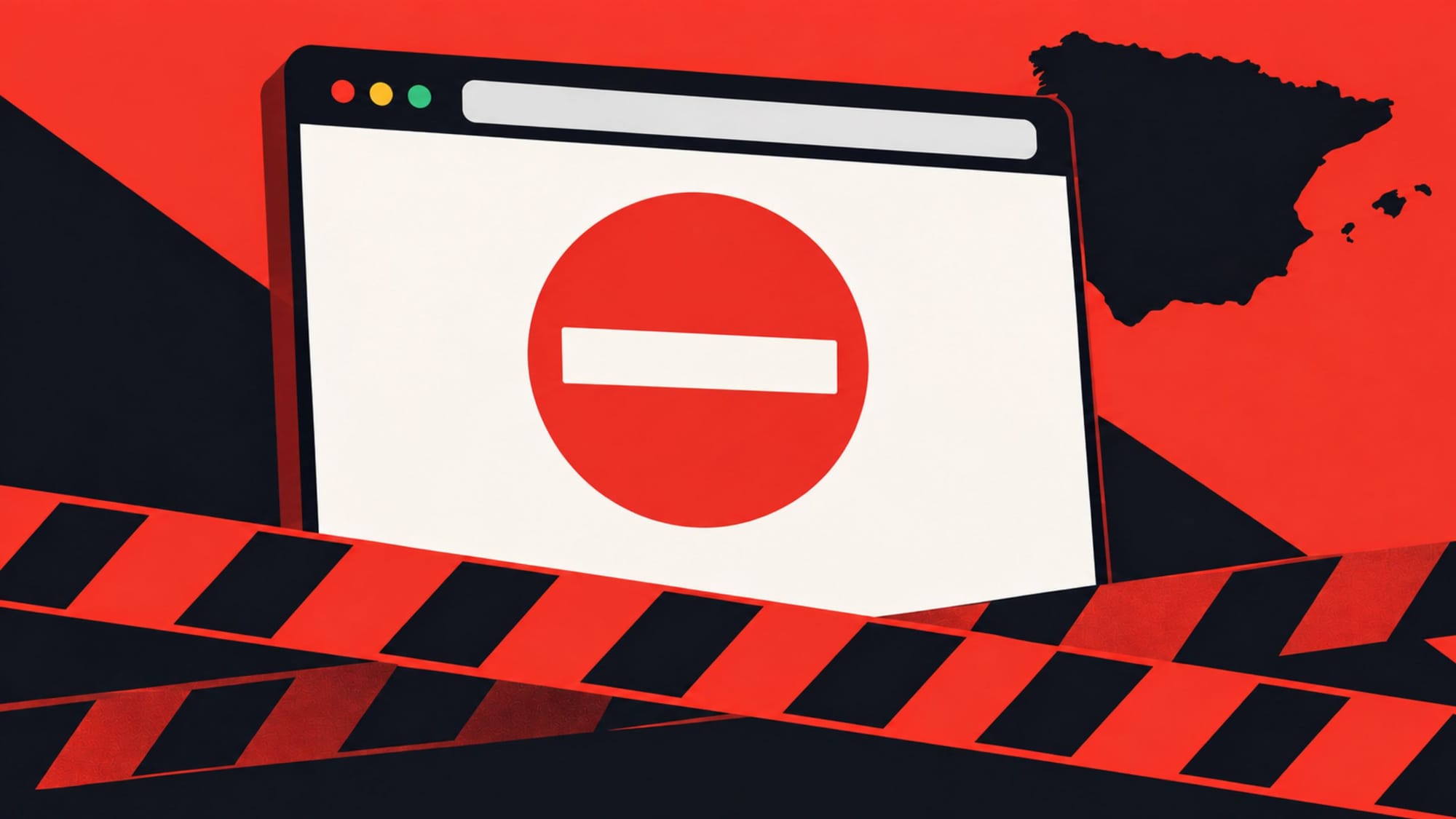
Court Mandates ISP Blocking of Archive.today
Spain's National High Court has ordered internet service providers (ISPs) to block access to archive.today and its various mirror sites. The directive, issued on May 15, 2024, stems from a complaint filed by a coalition of Spanish music industry entities. These entities, including record labels and collecting societies, accuse archive.today of facilitating copyright infringement by allowing users to bypass paywalls and download copyrighted material for free.
The court's decision targets the accessibility of the web archiving service, which is widely used to preserve web pages, circumvent censorship, and provide access to content that may otherwise be removed or paywalled. The order mandates that all major Spanish ISPs must implement the block. This action represents a significant move by a European nation to restrict access to a popular archiving tool, raising concerns among digital rights advocates and users who rely on such services for information preservation and accessibility.
The specific legal grounds cited involve violations of intellectual property rights. The plaintiffs argue that archive.today's functionality directly enables and encourages the unauthorized distribution of copyrighted works, particularly music, videos, and articles. While the court's order is specific to Spain, it could set a precedent for similar actions in other jurisdictions grappling with the intersection of web archiving and copyright law.
The Role of Archive.today and Its Mirrors
Archive.today, also known as archive.ph, archive.is, and other domain variations, operates as a non-profit web archiving service. Its primary function is to create permanent copies of web pages. Users can submit URLs, and the service generates an archival snapshot. These snapshots are intended to ensure that information remains accessible even if the original page is deleted, modified, or placed behind a paywall. This function has made it an invaluable tool for researchers, journalists, and the general public seeking to verify information or access content that might otherwise disappear.
The service has gained popularity for its ability to preserve content from a wide range of sources, including news articles, social media posts, and academic papers. Its decentralized nature, with numerous mirror domains, has historically made it difficult to fully block or censor. However, this court order targets the primary domains and known mirrors, forcing ISPs to actively prevent their subscribers from accessing these sites.
The music industry's complaint specifically highlights the ease with which copyrighted music and video content can be accessed and downloaded through these archived links. They contend that this directly harms artists and rights holders by undermining revenue streams derived from legitimate sales and streaming services. The argument is that archive.today acts as a conduit for piracy, even if it does not directly host the infringing content itself.

Implications for Web Archiving and Digital Rights
The Spanish court's decision has significant implications for the future of web archiving and the broader landscape of digital rights. Critics of the ban argue that it represents an overreach of copyright enforcement, potentially stifling legitimate uses of archiving technology. They point out that web archiving is crucial for historical preservation, academic research, and maintaining an accessible record of public discourse. Blocking such services, they contend, can lead to a less informed and less verifiable internet.
The practical effect for users in Spain will be the inability to access archive.today and its mirrors through Spanish ISPs. Users attempting to visit these sites will likely encounter a blocked page or an error message, depending on how ISPs implement the court order. While technically savvy users might attempt to circumvent the block using VPNs or proxy servers, the order aims to make access as difficult as possible for the average user within the country.
This ruling also raises questions about the legal liability of web archiving services. Is a service that merely preserves content, without hosting or distributing it directly, liable for copyright infringement if users subsequently access infringing material through its archives? This is a complex legal question that has been debated for years, and this ruling adds another layer to the ongoing discussion. The music industry's success in Spain could embolden other copyright holders to pursue similar legal avenues against web archiving platforms globally.
The Broader Context: Copyright vs. Access
The conflict between copyright holders and web archiving services is not new. Throughout the internet's history, there have been tensions between the desire to protect intellectual property and the need to preserve information and ensure open access. Services like the Internet Archive's Wayback Machine, while generally more focused on historical preservation and less on bypassing paywalls for immediate download, also face scrutiny from rights holders.
Archive.today has occupied a unique niche, often serving as a quick and accessible way to save or retrieve content that might be ephemeral. Its utility in circumventing paywalls, while beneficial for some users seeking to read content they cannot afford or access, is precisely what has drawn the ire of content creators and distributors. The music industry's specific complaint underscores the economic impact they perceive from such services, particularly in an era where digital piracy remains a persistent challenge.
The Spanish government's action reflects a growing global trend where authorities are increasingly willing to intervene in the digital space to enforce copyright laws. This is often framed as a necessary measure to protect creative industries and ensure fair compensation for artists. However, it also highlights the delicate balance required to prevent such measures from inadvertently restricting freedom of information and the ability to preserve digital history. The long-term consequences of such blocks on the open internet and the practice of web archiving remain to be seen, but this Spanish ruling is a significant development in that ongoing debate.