SpaceX Eyes Louisiana for Second Starbase
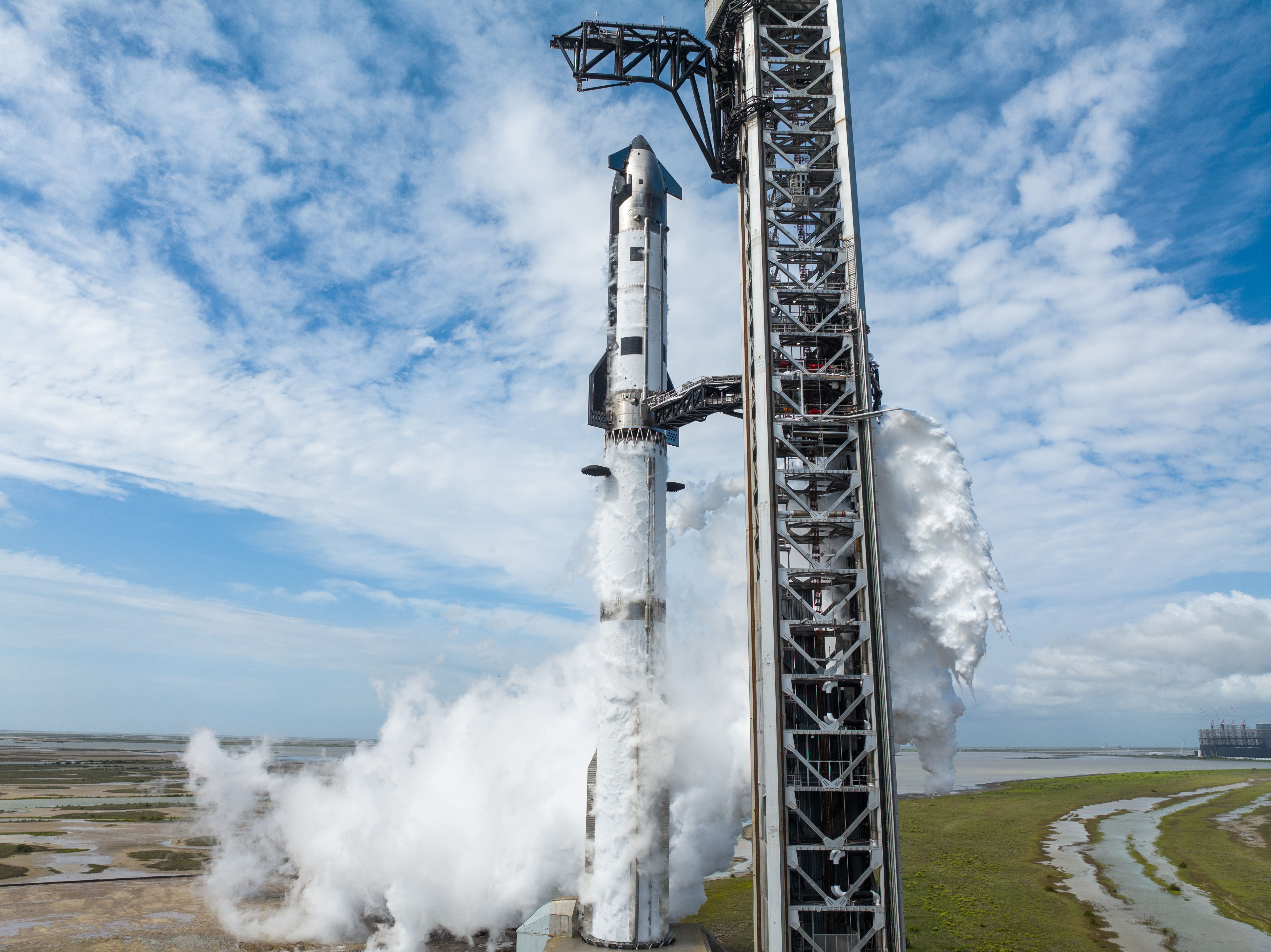
SpaceX is planning to construct a second, massive spaceport, dubbed Starbase, in Louisiana, a project reportedly valued at $100 billion. The ambitious undertaking, detailed in documents reviewed by TechCrunch, signifies a significant expansion of the company's launch infrastructure beyond its current Boca Chica, Texas facility. Construction is slated to begin in 2027, with the first Starship rocket potentially launching from the new site as early as 2029.
The proposed location in Louisiana, situated along the Gulf Coast, offers strategic advantages for heavy-lift rocket operations, including access to waterways for transporting large components and a vast, sparsely populated area suitable for launch activities and safety zones. This expansion signals SpaceX's escalating production and launch cadence for its Starship program, a fully reusable super heavy-lift launch vehicle designed for missions to Earth orbit, the Moon, Mars, and beyond. The sheer scale of the investment, $100 billion, underscores the long-term vision and commitment SpaceX has to becoming a multi-planetary species, with Starship as the primary vehicle for achieving that goal.
The decision to build a second Starbase is not merely about increasing launch capacity; it reflects a broader strategy to decentralize and diversify SpaceX's operational footprint. While Boca Chica has served as the birthplace and primary testbed for Starship, establishing a second major hub in Louisiana will allow for parallel development, testing, and launch operations, significantly accelerating the program's progress. This parallel approach is akin to how major aerospace programs historically operated with multiple production and testing sites to mitigate risks and expedite timelines. For instance, during the Apollo program, various NASA centers and contractor facilities were critical for different stages of spacecraft development and assembly.
Strategic Advantages and Infrastructure Development
Louisiana's Gulf Coast offers a unique combination of geographical and logistical benefits that align with the requirements of a modern spaceport. The proximity to deep water ports facilitates the efficient transport of massive rocket components, such as Starship's upper and lower stages, from manufacturing facilities to the launch site. This is crucial for a vehicle as large as Starship, which requires extensive ground support and assembly infrastructure. Furthermore, the region's extensive network of inland waterways and rail lines provides additional transportation flexibility. The availability of large tracts of undeveloped land is also a critical factor, allowing for the establishment of extensive launch pads, assembly buildings, propellant storage facilities, and the necessary safety buffer zones mandated by launch operations.
The $100 billion figure is not just for the launch facilities themselves but also encompasses the potential for a sprawling ecosystem of supporting industries. This could include component manufacturing, research and development centers, specialized engineering services, and a skilled workforce development pipeline. Local and state governments in Louisiana are reportedly engaging with SpaceX to facilitate the project, likely involving substantial incentives, infrastructure upgrades, and streamlined regulatory processes. The development of such a large-scale spaceport would represent a significant economic boon for the region, creating thousands of high-paying jobs and fostering technological innovation.
The timeline provided—construction starting in 2027 and first flights in 2029—suggests a highly accelerated development schedule, characteristic of SpaceX's approach to its ambitious projects. This implies that significant planning, environmental assessments, and preliminary engineering work are likely already underway or will commence imminently. The rapid pace of development is necessary to meet SpaceX's aggressive goals for Starship, which include rapid orbital flights, eventual lunar landings, and sustained Mars colonization efforts. The success of this second Starbase will be critical in scaling up the Starship program to meet the demands of these long-term objectives.
Broader Implications for the Space Industry
The establishment of a second, massive Starbase in Louisiana has profound implications for the future of spaceflight and the broader aerospace industry. It signals a definitive shift towards high-cadence, heavy-lift launch capabilities, making space more accessible and affordable for a wider range of applications, from satellite constellations to deep space exploration. This massive investment by SpaceX underscores its commitment to Starship as the future of space transportation, not just for its own missions but potentially as a service offered to other entities, including government agencies and commercial partners.
This expansion could also trigger a competitive response from other players in the space launch sector. As SpaceX solidifies its lead in reusable super heavy-lift technology, competitors may be compelled to accelerate their own development programs or explore new avenues for innovation to remain competitive. The sheer scale of SpaceX's ambition, backed by substantial investment, sets a new benchmark for what is considered achievable in space infrastructure development. The $100 billion figure, while astronomical, reflects a long-term bet on the commercial viability of large-scale space activities.
What remains to be seen is how this massive infrastructure project will integrate with existing environmental regulations and local community concerns. While the economic benefits are clear, the environmental impact of frequent heavy rocket launches, particularly in a coastal region, will undoubtedly be a subject of scrutiny and require careful management. SpaceX will need to demonstrate a robust commitment to environmental stewardship and community engagement to ensure the project's long-term success and social license to operate. The company's track record with its Boca Chica facility suggests a willingness to push boundaries, but the scale of this Louisiana project demands a comprehensive approach to sustainability and safety.
The development of a second Starbase is more than just building a launchpad; it's about creating a dedicated industrial base for interplanetary travel. It reflects a strategic pivot towards making humanity a spacefaring civilization, with Starship as the workhorse. The $100 billion investment is a testament to SpaceX's unwavering belief in this vision and its ability to execute at an unprecedented scale. This Louisiana facility will likely become a cornerstone of that future, enabling faster iteration, higher launch rates, and ultimately, the realization of ambitious space exploration goals.