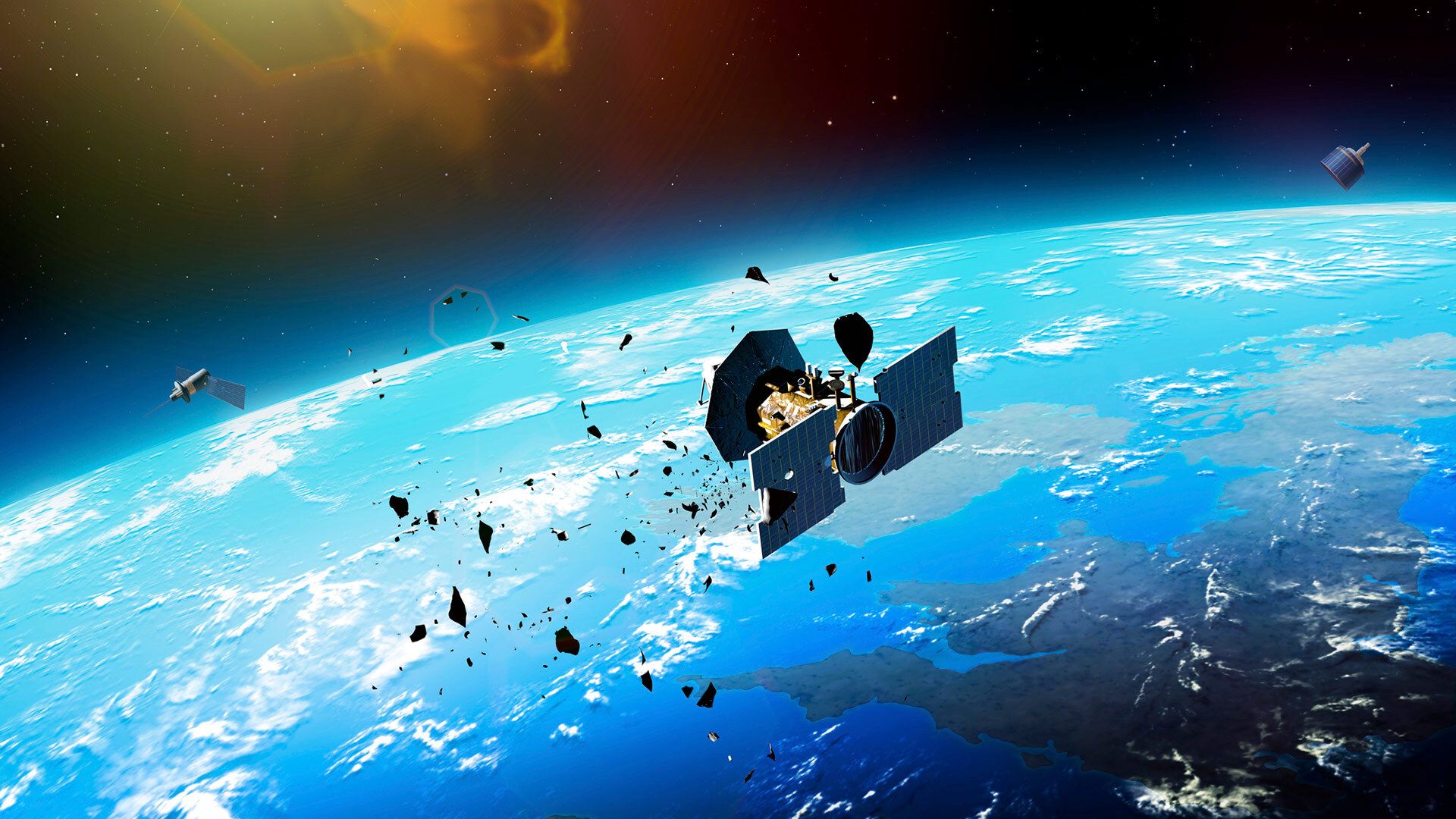
Satellite Deorbiting: A Growing Concern
SpaceX has intentionally deorbited and burned up approximately 260 Starlink satellites in Earth's atmosphere over the past six months. This practice, a standard method for retiring satellites, involves guiding the spacecraft into the upper atmosphere where they disintegrate due to friction. While seemingly a tidy way to clear orbital space, the increasing frequency and scale of these deorbiting events are now drawing significant environmental scrutiny. Each of these retired Starlink units weighs around 2,700 pounds, essentially acting as small orbital data centers that are being vaporized.
The sheer volume of satellites SpaceX plans to deploy – tens of thousands – means that hundreds, if not thousands, of these deorbiting events will occur annually in the coming years. This has led experts and environmental advocates to question the cumulative impact of burning such a large number of satellites, particularly concerning the chemicals and particulates released into the upper atmosphere. The long-term effects of this atmospheric pollution are not yet fully understood, but concerns range from ozone depletion to alterations in atmospheric chemistry.

Environmental Impact and Unanswered Questions
The primary concern revolves around the composition of satellite materials. Starlink satellites, like many modern spacecraft, are constructed with a variety of metals, plastics, and electronics. When these satellites burn up, they release byproducts into the atmosphere. While small numbers of deorbiting satellites have historically had negligible impact, the projected increase in satellite constellations, particularly Starlink's ambitious deployment, could shift this balance. What exactly are the chemical byproducts of these burn-ups, and what are their specific atmospheric residence times and effects? These are critical questions that remain largely unanswered by current public data.
The sheer scale of Starlink's planned constellation is unprecedented. SpaceX aims to eventually launch up to 42,000 satellites. Even if only a fraction of these need to be deorbited due to malfunction or obsolescence, the number of atmospheric burn-ups will be substantial. This presents a new category of environmental challenge, one that is occurring far above the troposphere, where most conventional pollution concerns are focused. The upper atmosphere, including the mesosphere and thermosphere, has different chemical compositions and dynamics, making the impact of these events potentially more significant and less understood than ground-level pollution.
Regulatory Landscape and FCC's Role
Adding another layer of complexity, the Federal Communications Commission (FCC) is reportedly considering exemptions for satellites from certain environmental regulations. This move, if enacted, could streamline the satellite disposal process for companies like SpaceX but would likely intensify environmental concerns. Critics argue that relaxing regulations would allow for potentially harmful practices to continue unchecked, especially as the number of satellites in orbit grows exponentially. The FCC's mandate includes ensuring efficient and reliable radio communications, but it also has a role in overseeing the broader impacts of space activities.
The debate highlights a fundamental tension between the rapid expansion of space-based technologies and the need for robust environmental oversight. While satellite constellations offer significant benefits, such as global internet access, their proliferation necessitates a careful consideration of their lifecycle, including disposal. The current regulatory framework, largely designed for a pre-mega-constellation era, may be insufficient to address the unique challenges posed by hundreds of thousands of satellites planned for low Earth orbit.
If you operate a satellite service or are developing new space technologies, understanding these evolving environmental discussions and potential regulatory shifts is crucial. The practices of today, particularly concerning orbital debris mitigation and end-of-life disposal, will shape the future accessibility and sustainability of space for everyone.
The Future of Orbital Sustainability
The current approach of burning satellites is a pragmatic solution for removing defunct hardware from orbit, preventing it from becoming a collision hazard. However, the environmental cost of this method is becoming a focal point. As technology advances, so too must our understanding and management of its downstream impacts. The conversation around Starlink's satellite deorbiting is not just about one company or one constellation; it represents a broader challenge for the burgeoning space economy. Finding sustainable solutions for satellite disposal, potentially involving more advanced recycling or less environmentally impactful deorbiting methods, will be critical for ensuring the long-term viability of space activities.
The FCC's consideration of regulatory exemptions, coupled with the sheer number of satellites SpaceX intends to launch, signals a critical juncture. It is imperative that comprehensive studies are conducted to assess the atmospheric impact of these burn-ups. Without such data, any regulatory decisions, particularly those that might loosen existing environmental oversight, are being made in the dark. The future of space sustainability hinges on proactive, data-driven policy and responsible technological deployment.