
Introducing Soterios: A Privacy-First Windows Security Suite
Developer Chris Riv has launched Soterios, a new open-source application aimed at providing Windows users with a comprehensive suite for security and system maintenance. The project, which has been in development for several weeks, prioritizes user privacy by design, explicitly stating a commitment to no telemetry, no analytics, and no unsolicited network activity. This approach directly addresses a common concern with many commercial security tools that often include hidden data collection or lock essential features behind paywalls.
Soterios is built using Electron and Node.js, featuring a modular architecture designed to facilitate future expansion and contributions from the community. The core philosophy is to offer a local-first application, meaning all operations and data processing occur directly on the user's machine, enhancing both security and privacy.
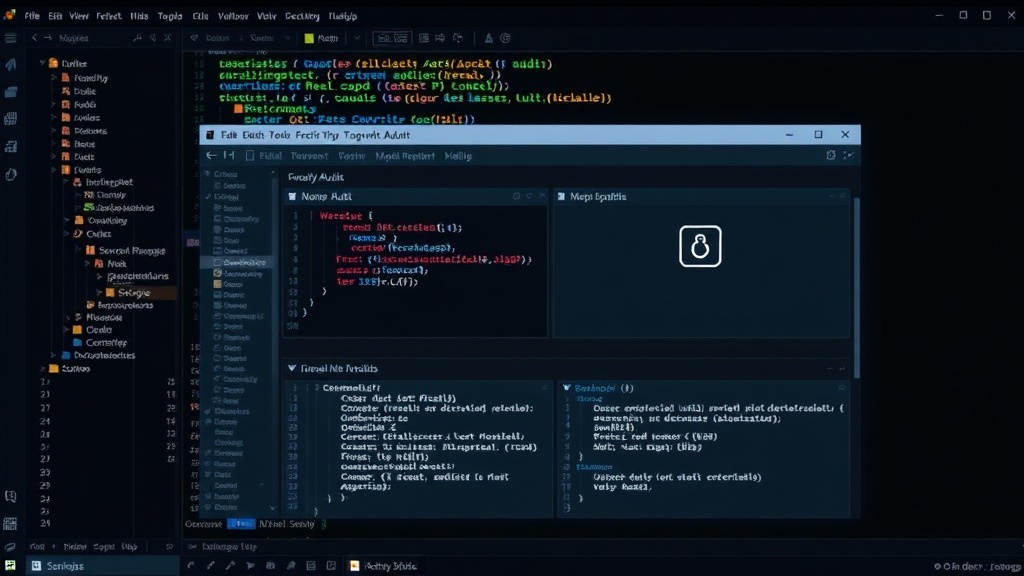
Core Features for Enhanced Security and Maintenance
The initial release of Soterios boasts a robust set of features designed to cover critical aspects of Windows security and system upkeep:
- Malware Scanning: Integrates with ClamAV, a widely recognized open-source antivirus engine, to perform malware scans. The suite includes capabilities for quarantining detected threats and generating detailed reports. This allows users to leverage a powerful scanning engine without relying on a cloud-connected, potentially data-collecting commercial product.
- Windows Security Audits: Soterios conducts thorough audits of Windows security settings. This feature helps users identify misconfigurations, outdated security practices, or potential vulnerabilities within their operating system's built-in defenses. It provides actionable insights for improving the overall security posture.
- Firewall Management and Network Monitoring: Users can manage their Windows Firewall rules directly through the Soterios interface. Additionally, the application offers network monitoring tools, allowing users to observe network activity, identify suspicious connections, and gain a clearer understanding of what data is traversing their network. This is particularly useful for detecting unauthorized or unwanted network traffic.
- Credential Safety Tools: This module focuses on protecting user credentials. It includes local password checks to assess the strength and uniqueness of passwords stored or used on the system. Furthermore, it offers breach lookups, enabling users to check if their credentials have appeared in known data breaches, a crucial step in preventing account takeovers.
- Process Inspection and System Maintenance: Soterios provides utilities for inspecting running processes, allowing users to identify potentially malicious or resource-intensive applications. Complementing this are system maintenance tools designed to help keep the Windows environment clean and optimized, contributing to both security and performance.
The Case for Open-Source and Local-First Security
The decision to build Soterios as an open-source, local-first application is a direct response to the growing demand for privacy-respecting software. In an era where data breaches are frequent and concerns about corporate surveillance are widespread, users are increasingly wary of applications that collect extensive personal data. Soterios aims to be a trustworthy alternative, empowering users to take control of their digital security without compromising their privacy.
The modular architecture is a key design choice. It means that new features can be added, or existing ones improved, without requiring a complete overhaul of the application. This also opens the door for community contributions, allowing security researchers, developers, and power users to collaborate on enhancing Soterios. The call for contributors in the project's announcement signals a desire to build a robust, community-driven security tool.
For developers and security professionals, Soterios represents a potential new tool in their arsenal. Its transparency, due to its open-source nature, allows for thorough vetting of its security claims. The local-first approach means that sensitive operations, like credential checks and malware scanning, are performed without sending data to external servers, reducing the attack surface and the risk of data exfiltration. The combination of these elements makes Soterios an interesting proposition for individuals and organizations looking for more control over their security software.
Future Directions and Community Involvement
While the current feature set is already substantial, the modular design suggests a roadmap for future expansion. Potential additions could include more advanced threat intelligence integration (user-opt-in), deeper system diagnostics, or specialized security modules for specific use cases. The project's success will likely depend on its ability to attract and retain community contributors. By welcoming external input, Soterios can evolve more rapidly and adapt to the ever-changing threat landscape. The project is effectively asking users and developers to build the security tool they wish existed, together.