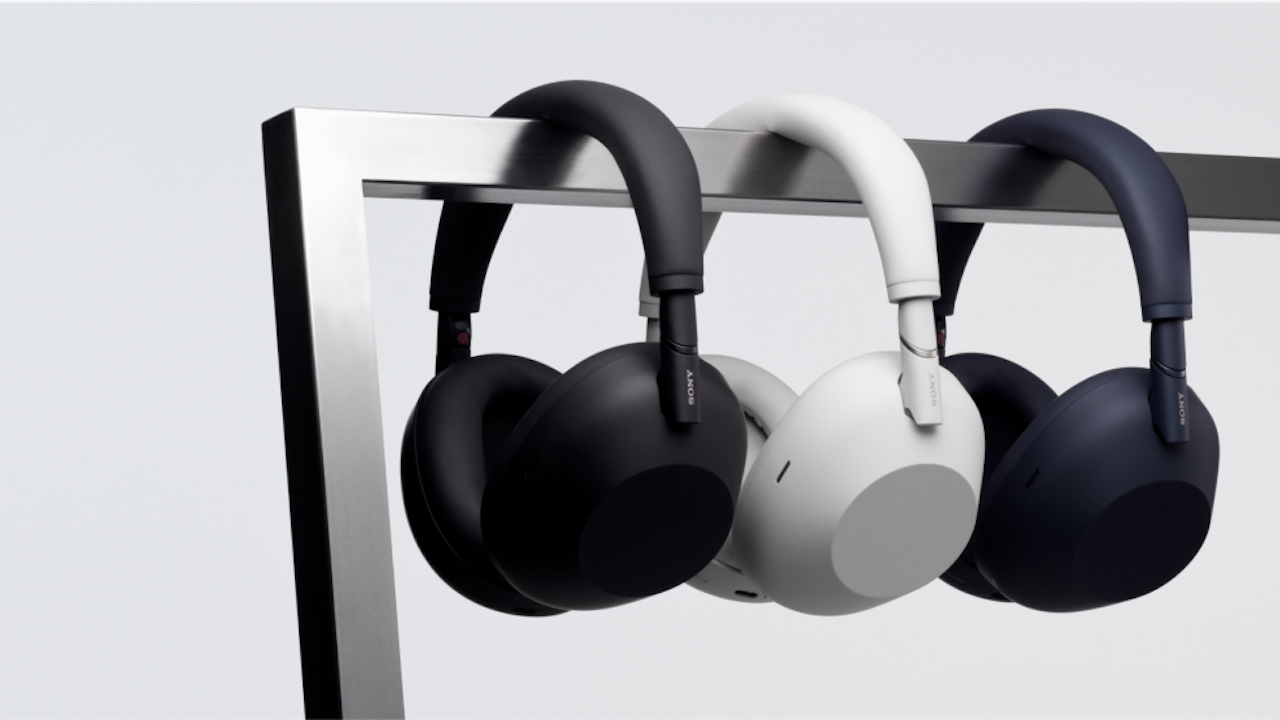
From Audio to Immersion: Sony Headphones as a Head Tracker
Enthusiast developer Nicholas Slattery has released an open-source application, dubbed Sony Head Tracker, that repurposes the motion sensors within Sony headphones and earbuds to function as a real-time head tracker for PC gaming. This innovation offers a free, accessible way for players, particularly those engaged in racing and flight simulators, to enhance their in-game experience by allowing natural head movements to control the in-game camera. Previously, achieving such immersive control often required dedicated, and sometimes costly, hardware like TrackIR or VR headsets. Slattery's project bridges this gap, leveraging existing hardware that many users already own.
The core of Sony Head Tracker lies in its ability to read raw inertial measurement unit (IMU) data directly from compatible Sony audio devices. These sensors, typically used for features like active noise cancellation or spatial audio, are surprisingly adept at capturing subtle head movements. The application then translates this raw sensor data into a format that can be understood by OpenTrack, a popular open-source software platform for head tracking. OpenTrack, in turn, acts as a middleware, feeding the processed head tracking data into a vast array of PC games that support its input protocols.
Technical Underpinnings and Game Compatibility
Slattery's application connects to compatible Sony headphones via Bluetooth. Once connected, it continuously polls the headphones' internal sensors for rotational and positional data. This data is then streamed to a PC, where the Sony Head Tracker application processes it. The processing involves filtering out noise and calibrating the sensor readings to ensure smooth and accurate tracking. The output is then formatted as a standard input stream, typically emulating a mouse or joystick, which OpenTrack can then interpret and map to in-game camera controls.
The integration with OpenTrack is crucial. OpenTrack is a well-established and versatile head tracking solution that supports numerous input devices and output protocols. By feeding data into OpenTrack, Sony Head Tracker gains compatibility with a wide spectrum of games. The developer reports that over 200 PC games are already supported through this pipeline. This includes major titles in the flight simulation genre, such as Microsoft Flight Simulator and DCS World, as well as popular racing simulators like Assetto Corsa and iRacing. The ability to look around the cockpit or trackside naturally, without touching a mouse or keyboard, dramatically increases immersion and can even provide a competitive edge by allowing players to better situational awareness.
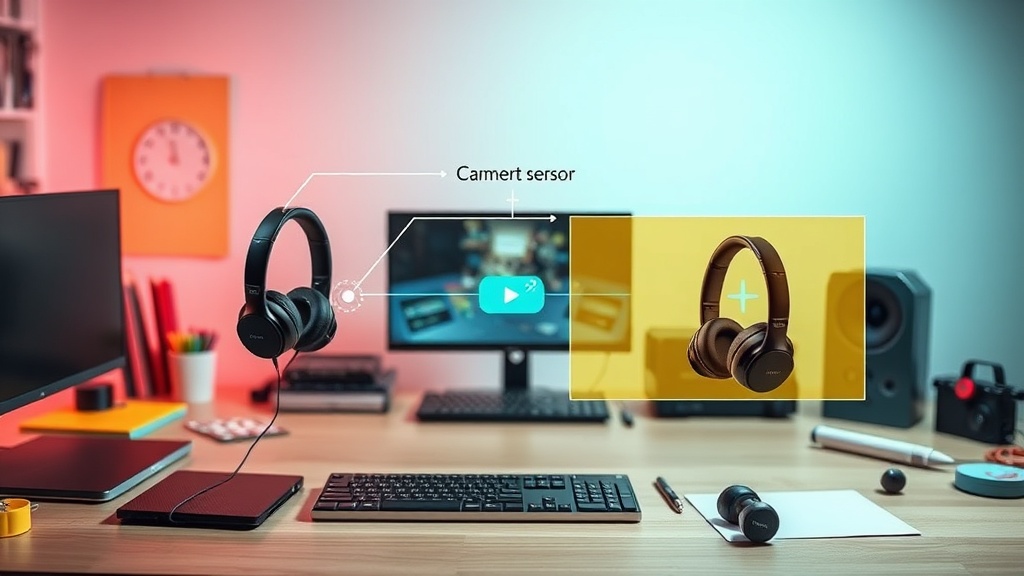
Addressing the Hardware Gap for Sim Enthusiasts
For years, dedicated head tracking hardware has been a significant investment for sim enthusiasts. TrackIR, for instance, has been the de facto standard for many, but its cost can be a barrier. Virtual Reality offers a more comprehensive solution, but it requires a powerful PC, a VR headset, and often comes with its own set of usability challenges, such as motion sickness or the need for extensive physical space. Sony Head Tracker offers a compelling alternative by leveraging hardware that many users already possess for their daily audio needs. The only additional software required is the Sony Head Tracker application itself and OpenTrack, both of which are free and open-source.
The surprising detail here is not the existence of sensor data within headphones, but the dedication of a single developer to create a robust pipeline for gaming. Many users might have assumed these sensors were solely for audio enhancement features. Slattery’s work demonstrates a deep understanding of both low-level sensor data and the intricacies of game input systems. This project is a testament to the power of open-source development and community-driven innovation, turning an everyday accessory into a valuable gaming peripheral.
Future Potential and Limitations
While the current implementation supports over 200 games, the potential for expansion is significant. As more users adopt the application, bug reports and feature requests will likely drive further development. Future iterations could include improved calibration routines, support for a wider range of Sony headphones (or even headphones from other manufacturers with similar sensor capabilities), and potentially more direct game integrations that bypass OpenTrack for even lower latency. The developer has made the source code publicly available, inviting collaboration and modification from the broader developer community.
However, there are inherent limitations. The tracking accuracy and latency will be dependent on the quality of the sensors in the specific Sony headphone model, the Bluetooth connection stability, and the processing power of the user's PC. Unlike dedicated head tracking solutions that might employ infrared cameras or specialized sensors, this method relies on the accelerometer and gyroscope data within the headphones. This means that while rotational tracking (looking left, right, up, down, and tilting) is generally strong, positional tracking (moving your head forward, backward, or side-to-side) might be less precise or entirely absent depending on the headphone model and Slattery’s implementation. Furthermore, any audio features that rely on the headphones' motion sensors might be temporarily disabled or affected while Sony Head Tracker is active.
What nobody has addressed yet is the long-term support and potential for Sony to officially acknowledge or even integrate such functionality. While this is an enthusiast project, a future where headphone manufacturers provide SDKs for sensor data access could unlock a new category of accessible gaming peripherals. For now, users looking to experiment need to ensure they have a compatible Sony headset and are comfortable installing and configuring third-party applications. The barrier to entry, however, remains remarkably low, making this an exciting development for sim racing and flight sim fans on a budget.