The Genesis of a Solo Build Process
Building software solo presents unique challenges. Without a team to bounce ideas off or distribute workload, process becomes paramount. Timiodulate, a solo developer, faced this head-on with his project, AppliHelm, a career profile tool designed to feed AI models with structured user data. Instead of diving straight into code, he first established a Standard Operating Procedure (SOP) – a meticulously documented guide for discovery, Product Requirements Documents (PRDs), sequencing, and shipping. This SOP wasn't a static document; it evolved alongside the project, incorporating elements like a Capability Map and per-flow PRD splits. This foundational work allowed him to pair with his AI, effectively building AppliHelm not from scratch, but from a pre-defined, albeit evolving, blueprint.
The core of this structured approach lies in what can be recognized as Dual-Track Agile, a methodology that separates the discovery and development tracks. The discovery track focuses on understanding the problem space, defining requirements, and validating ideas. The development track then takes these validated requirements and builds the actual product. For a solo developer, this separation is crucial. It prevents the developer from getting bogged down in implementation details before the 'what' and 'why' are crystal clear, and it ensures that the development effort is always directed towards a well-defined goal. This disciplined approach minimizes wasted effort and rework, a critical factor when resources are limited to a single individual.
Implementing Dual-Track Agile with Feature Flags
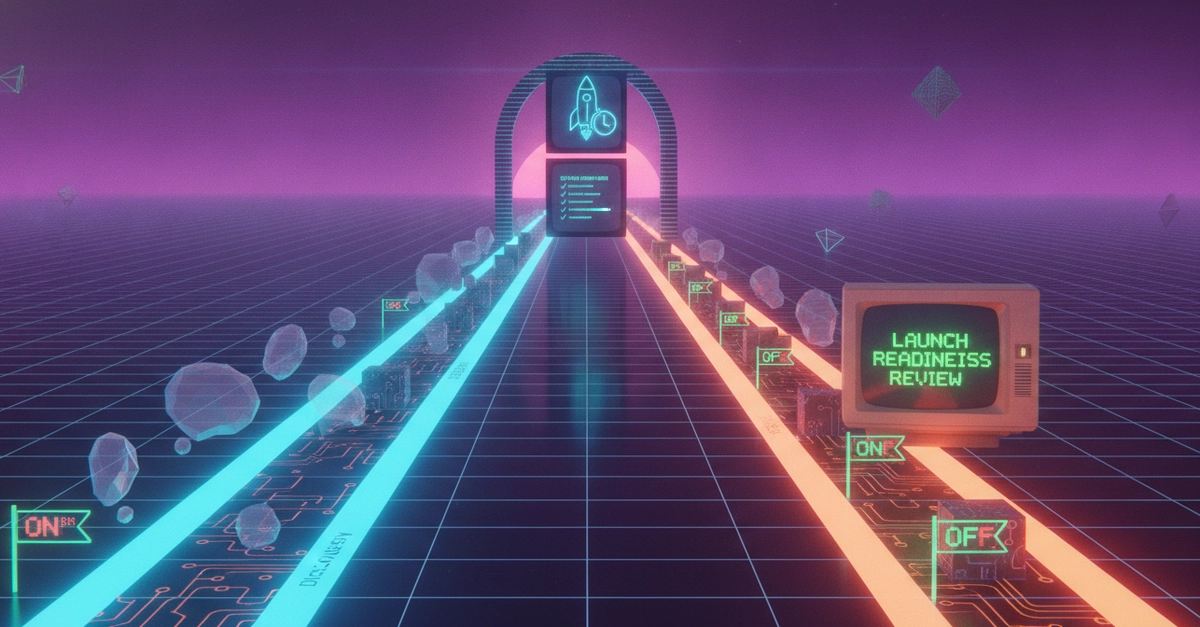
Dual-track agile, while effective, requires a mechanism to manage the flow of features from discovery to production. This is where feature flags become indispensable. Feature flags, also known as feature toggles, are a software development technique that allows teams to turn certain functionality on or off remotely, without deploying new code. For Timiodulate, feature flags served as the bridge between his discovery and development tracks. New features, once defined and validated in the discovery phase, could be developed and integrated into the codebase behind a flag. This meant that incomplete or experimental features wouldn't disrupt the user experience of the existing, stable product. It allowed for continuous integration and continuous delivery of code, even if the features themselves were not yet ready for public consumption.
The power of feature flags in a solo build is their ability to decouple deployment from release. The developer can merge code frequently, keeping the codebase healthy and reducing the risk of large, complex merges. However, the feature remains hidden from users until it's fully tested, polished, and strategically ready for release. This is akin to a chef preparing multiple dishes in the kitchen, but only plating and serving the ones that are perfect. The work is happening, but the customer only sees the finished product. This granular control is vital for a solo developer who cannot afford the luxury of extensive QA teams or rollback specialists.
The Launch Readiness Review: A Gatekeeper for Quality
The final, critical component of this solo development process is the Launch Readiness Review. This isn't a formal meeting with multiple stakeholders, but rather a personal, rigorous checklist and evaluation performed by the developer himself. Before any feature, or set of features, is exposed to users, it must pass this review. The review likely encompasses a range of checks: functional testing, usability testing, performance benchmarks, security considerations, and an assessment of the feature's alignment with the overall product vision and user needs. It acts as a quality gate, ensuring that only well-vetted, stable, and valuable functionality makes its way to the end-user.
This self-imposed review process mirrors the gatekeeping functions performed by product managers, QA engineers, and marketing teams in larger organizations. For a solo developer, it's a way to inject objectivity and discipline into the development cycle. It forces a pause before release, providing an opportunity to catch potential issues that might have been overlooked during the development sprint. Think of it like a pilot conducting a pre-flight checklist; every item must be verified before takeoff to ensure a safe and successful journey. This meticulousness is what allows a solo builder to maintain a high standard of product quality, even without external oversight.
The Synergy of Process and Technology
The combination of Dual-Track Agile, feature flags, and a Launch Readiness Review creates a robust framework for solo software development. Dual-Track Agile provides the strategic direction, ensuring that development effort is focused on validated needs. Feature flags offer the technical flexibility to manage the integration and release of features independently, enabling continuous integration without compromising user experience. The Launch Readiness Review acts as the final quality assurance step, safeguarding the product's integrity. Together, these elements form a powerful system that allows a single developer to build and launch software with the discipline and quality typically associated with larger, more resourced teams. It’s a testament to how thoughtful process design, augmented by the right technical tools, can empower individual creators to achieve significant product development milestones.
The true innovation here isn't a single tool or methodology, but the deliberate integration of these practices into a cohesive, personal workflow. It’s a system designed to mitigate the inherent risks of solo development: scope creep, technical debt, and the temptation to rush features to market. By externalizing the decision-making and quality control processes through documentation, feature flags, and personal reviews, the developer can maintain momentum while upholding a high bar for product quality. This approach offers a blueprint for other solo developers looking to build complex applications efficiently and effectively.