Median Software Version Lifespan: 18 Months
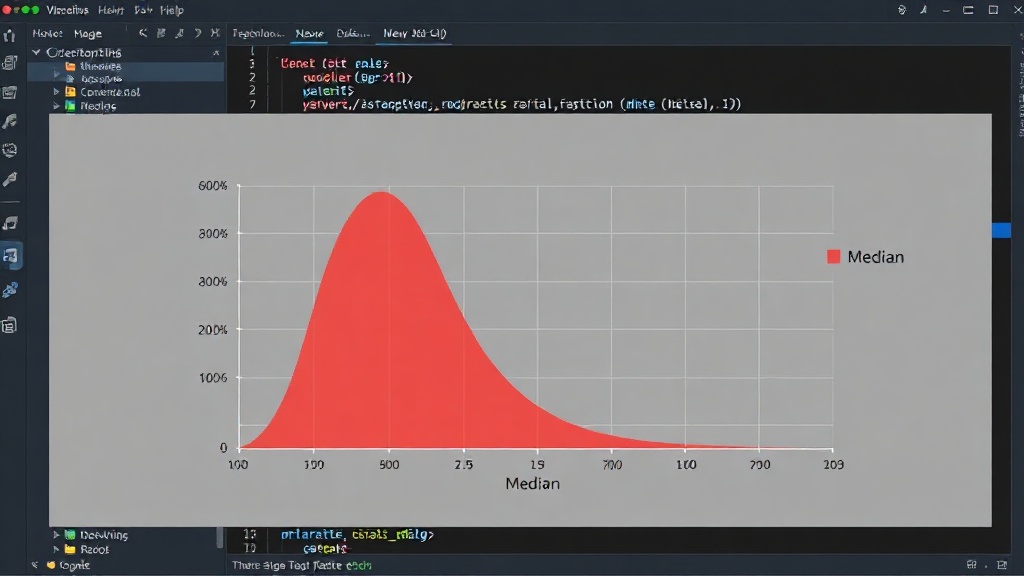
A comprehensive study analyzing the lifecycle of 7,144 software versions across 463 products reveals a median supported lifespan of just 18 months. The data, compiled by endoflife.ai, tracks release dates and official end-of-life dates, offering a stark quantitative look at how long software versions remain actively maintained and patched. While the mean lifespan is longer at 2.3 years, this is heavily skewed by long-lived enterprise products, with the median offering a more representative figure for the majority of software deployments.
This finding has significant implications for development teams, IT operations, and security professionals. Deploying a new version of software means committing to a relatively short window of support before a subsequent upgrade or migration becomes necessary. This cycle necessitates continuous planning, resource allocation, and testing for updates, rather than a one-time implementation.
The dataset comprises versions with both a firm release date and a firm end-of-life date. The median calculation excludes versions still actively supported, focusing specifically on the supported duration before a version is retired. The long tail of enterprise products, which can sometimes maintain support for versions for many years, inflates the average lifespan, making the median a more accurate reflection of the typical experience for most software.
Implications for Development and Maintenance
The 18-month median lifespan means that development teams must operate with a constant upgrade cycle in mind. This isn't just about fixing bugs; it's about planning for feature deprecation, API changes, and ensuring compatibility with newer operating systems or hardware. For teams that build complex applications or rely on third-party libraries, this short lifespan translates directly into increased engineering effort and budget allocation for regular updates and migrations. Failing to keep pace can lead to technical debt, security vulnerabilities, and an inability to leverage new features or performance improvements.
Consider the process of integrating a new piece of software. If its typical lifespan is 18 months, a significant portion of the initial integration effort must be factored into future upgrade projects. This requires a shift in mindset from a 'set it and forget it' approach to continuous lifecycle management. The cost of maintaining software is not just about the initial development but the ongoing burden of keeping it current. This data suggests that burden is substantial and predictable.
Security Posture and Risk Management
From a security perspective, the 18-month median is a critical data point. Software versions that are no longer supported by their vendors are prime targets for attackers. They often contain known vulnerabilities that will never be patched. Organizations must have robust processes in place to identify and upgrade unsupported software promptly. This study underscores the urgency: if a version is nearing its 18-month mark, it is likely approaching its end-of-life, and a migration plan should already be well underway.
The challenge for security teams is to maintain an accurate inventory of all deployed software, track their end-of-life dates, and ensure timely patching or replacement. This becomes exponentially harder with the proliferation of software across an organization. The median lifespan suggests that even for actively maintained software, the window for vulnerability exploitation before a patch is no longer available is relatively short. Organizations that lag behind this median risk exposing themselves to a growing number of unpatchable threats.
The data suggests that the days of software versions living for several years are increasingly rare outside of specialized enterprise contexts. For the vast majority of software, developers and users must accept and plan for a rapid obsolescence cycle. This necessitates a proactive approach to software asset management and a commitment to ongoing investment in upgrades, rather than viewing software deployment as a one-time event.
Broader Industry Impact
This analysis challenges the traditional notions of software longevity. It suggests that the industry is accelerating, driven by faster development cycles, the rapid pace of technological change, and a greater emphasis on continuous delivery. For founders, this means that product roadmaps must account for the accelerated lifecycle of their own software dependencies, and potentially the expected lifespan of their own products in the market. For users, it means budgeting for more frequent upgrades and understanding that the 'stable' version they adopted today may require replacement sooner than anticipated.
The study from endoflife.ai provides concrete numbers to a feeling many in the tech industry have experienced: software doesn't last as long as it used to. This data can inform purchasing decisions, IT strategy, and development methodologies. It highlights the ongoing importance of understanding software supply chains and the critical need for automation in managing software lifecycles to mitigate risks and control costs.
The question that remains is how organizations can best adapt their strategies to this accelerated pace. Is it through more aggressive adoption of SaaS solutions where vendors manage the lifecycle, or by building more resilient, modular architectures that allow for easier component replacement? The 18-month median is a call to action, pushing the industry to confront the reality of software's diminishing lifespan.