Softbank Explores Major Acquisition of Robotics Innovator Gravis
Softbank, the Japanese investment giant, is reportedly considering a significant acquisition of Gravis Robotics, a burgeoning Swiss startup specializing in autonomous platforms for heavy industrial vehicles. According to reports citing sources familiar with the discussions, the deal could value Gravis at over $500 million. While no final decisions on the deal's structure or valuation have been made, the move signals Softbank's continued aggressive investment in the rapidly expanding robotics sector.
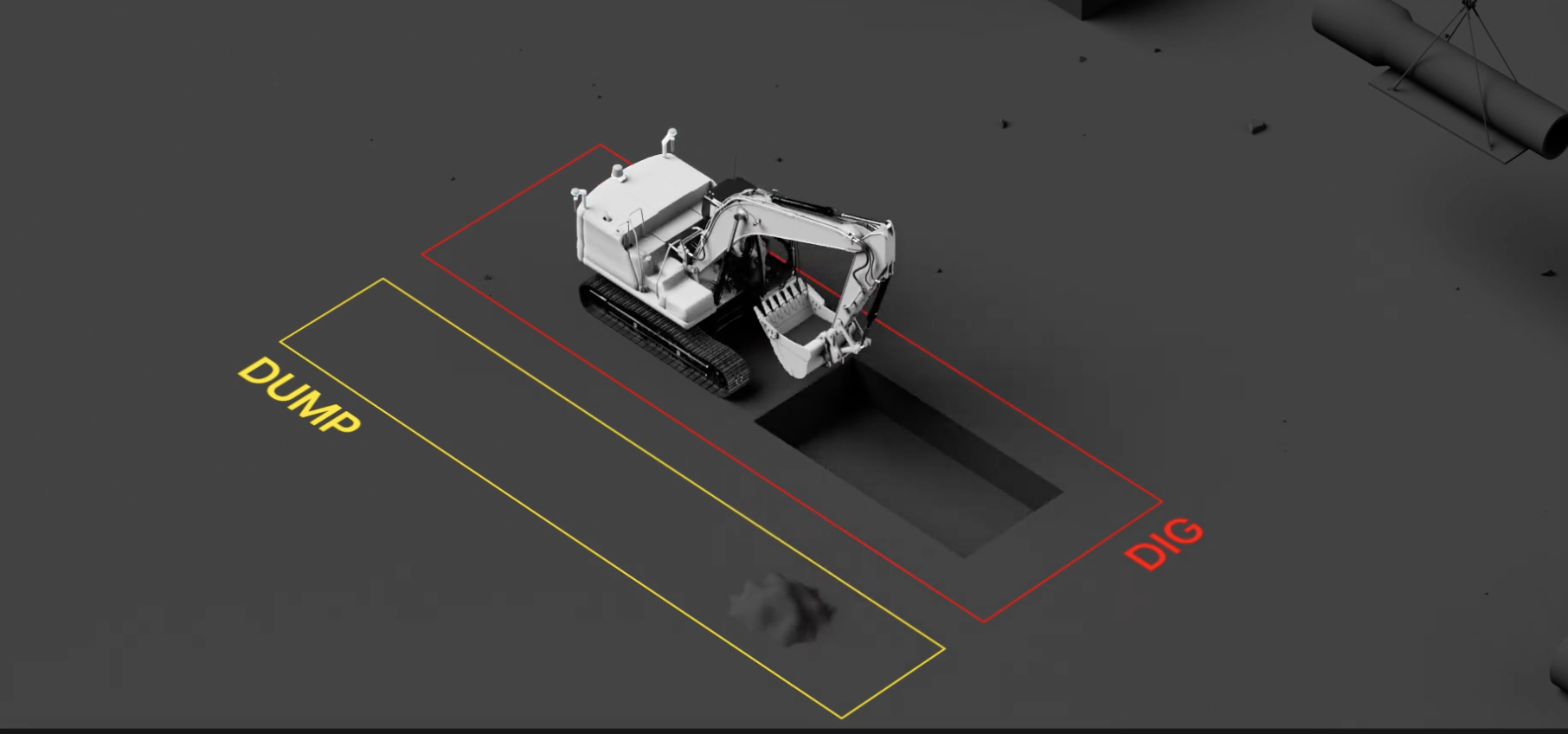
Gravis Robotics, a spinout from the prestigious ETH Zurich university, was founded in 2022. Its core mission is to transform conventional earthmoving machinery into autonomous robotic systems. The company leverages advanced technology developed at ETH Zurich to achieve this goal. The implications for industries such as construction, mining, and agriculture are substantial, promising increased efficiency, safety, and operational capabilities through automation. This focus on practical, heavy-duty applications differentiates Gravis in a market often saturated with smaller, more specialized robotic solutions.
The company has already secured backing from notable investors, including IQ Capital, Armada Investment Group, Zacua Ventures, and Holcim, a major player in building materials. In November of last year, Gravis successfully raised $23 million, underscoring investor confidence in its technology and market potential. The ongoing discussions with Softbank represent a potential inflection point for the startup, offering access to capital and strategic guidance that could accelerate its global expansion and product development.
The European Robotics Boom and Softbank's Strategic Play
Gravis Robotics is part of a broader trend of increasing investor interest in European robotics companies. The sector has seen remarkable growth, with European robotics firms collectively raising €1.6 billion in 2025, a substantial increase from the €761 million secured in 2024. This surge highlights a growing recognition of the transformative potential of robotics across various industries and Europe's strong position in developing this technology.
Softbank's potential acquisition of Gravis aligns with its long-standing strategy of identifying and investing in disruptive technology companies with the potential for global scale. The firm has a history of backing ambitious ventures, from telecommunications to artificial intelligence and, notably, robotics. Its investment in Gravis would not only provide the startup with critical resources but also grant Softbank a significant foothold in the specialized market of autonomous heavy machinery. This market, while perhaps less visible than consumer robotics or AI assistants, holds immense economic value and is ripe for technological advancement.
The specific technology developed by Gravis involves creating an AI-powered platform that can be retrofitted onto existing heavy machinery. This approach is particularly compelling as it allows companies in sectors like construction and mining to upgrade their existing fleets rather than incurring the massive expense of purchasing entirely new autonomous equipment. Think of it less like buying a new self-driving car and more like installing a highly sophisticated autopilot system onto a commercial airliner that can then fly itself. This retrofitting capability significantly lowers the barrier to entry for adopting advanced robotics in these traditionally capital-intensive industries.
Unanswered Questions and Future Implications
The potential acquisition raises several critical questions for the industry. Firstly, what will be the long-term impact of Softbank's involvement on Gravis's operational independence and its ability to continue its research and development trajectory? Softbank's investment philosophy often involves significant integration and strategic direction, which could either propel Gravis forward or steer it in a different direction. Secondly, how will this move by Softbank influence other venture capital firms and strategic buyers looking at the European robotics landscape? A deal of this magnitude could set new valuation benchmarks and intensify competition for promising robotics startups.
Furthermore, the integration of Gravis's technology into Softbank's broader portfolio of AI and robotics investments could lead to synergistic developments. Softbank has stakes in various companies across the AI spectrum, and combining Gravis's expertise in physical automation with advanced AI algorithms could unlock new capabilities and applications. For example, integrating sophisticated AI-driven decision-making with Gravis's autonomous control systems could lead to highly intelligent and adaptive construction or mining robots capable of complex tasks in unpredictable environments.
The success of Gravis hinges on its ability to deliver on the promise of robust, reliable autonomous operation in harsh industrial settings. Mining sites and construction zones are notoriously challenging, with unpredictable terrain, dust, and extreme weather conditions. Gravis's technology must demonstrate not only the capacity for autonomous navigation and operation but also the resilience and safety required for these demanding environments. If they can achieve this, the potential for widespread adoption and significant return on investment is immense. The reported interest from Softbank suggests that at least one major investor believes they are on the right track.
What remains to be seen is how quickly Gravis can scale its operations to meet potential demand spurred by such a high-profile acquisition. The transition from a promising R&D-focused startup to a large-scale industrial robotics provider is a complex undertaking, requiring robust manufacturing, supply chain management, and customer support infrastructure. Softbank's experience in scaling businesses globally will be crucial if the acquisition proceeds.