Democratizing SOC 2 Readiness for Open-Source
SOC 2 compliance is often perceived as an expensive endeavor, requiring significant investment in compliance vendors, policy consultants, and surveillance stacks. This perception frequently leads small open-source projects to forgo the crucial trust signal entirely, deeming it unaffordable. However, a closer examination reveals that readiness, rather than a costly audit, is about assembling a comprehensive paper trail and evidence. This evidence can be gathered and organized for zero dollars by strategically utilizing existing project resources and tools.
The core of this zero-budget approach lies in establishing an automated evidence collection process. Projects can implement a script, such as scripts/evidence-collect.mjs, designed to traverse the repository. This script pulls essential data points including timestamps, test run results, deployment logs, and dependency information. The collected data is then compiled into a structured file, like controls-index.json. This file serves as a direct mapping of every collected control to the relevant Security Technical Steering Committee (TSC) or designated point person. When an auditor inquires about access controls, for instance, the project can present this organized file instead of undertaking a time-consuming scavenger hunt through disparate logs and records.
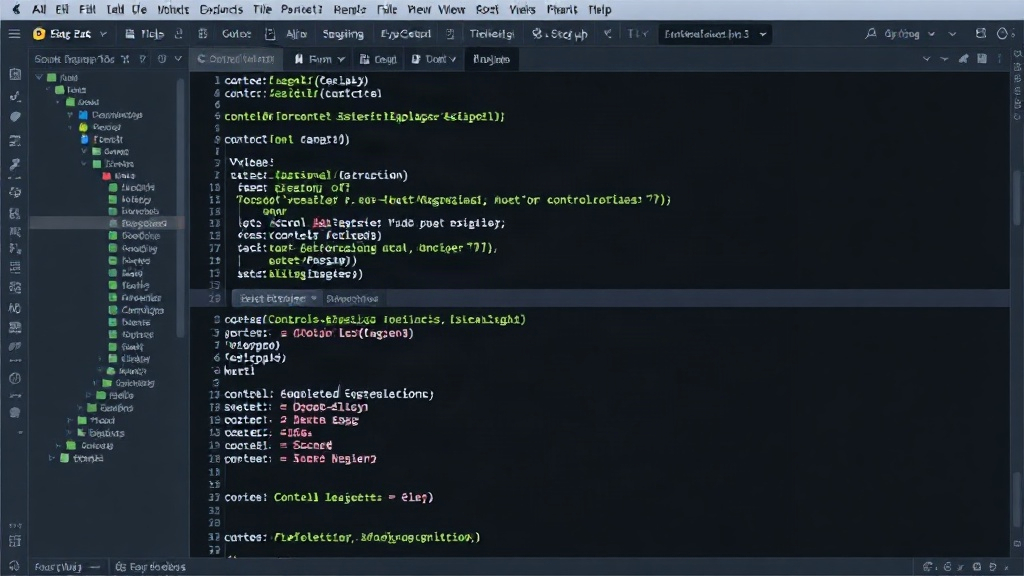
Beyond access controls, generating a Software Bill of Materials (SBOM) is another critical step that can be achieved at no cost. Utilizing tools like scripts/sbom.mjs, projects can produce a CycloneDX 1.5 compliant SBOM. This document inventories all components and their dependencies, providing transparency and a clear picture of the software's composition. This is vital for understanding potential vulnerabilities introduced by third-party libraries.
Leveraging Git History for Behavioral Code Analysis
Every Git repository inherently contains a wealth of untapped information within its history. Beyond the explicit commit messages, the shape of the changes—which files are frequently modified together, the patterns of file touching, and the number of contributors familiar with specific code segments—offers a powerful signal. This concept is known as behavioral code analysis, popularized by Adam Tornhill's work, Your Code as a Crime Scene. The remarkable aspect of this analysis is its minimal requirement: it needs nothing more than the standard git log command. No complex language plugins, machine learning models, or extensive configuration are necessary.
By pointing a simple Command Line Interface (CLI) tool at the raw Git history of open-source projects, one can derive significant insights into code quality and potential problem areas. This method allows for an objective grading of project health based on historical development patterns.
The Three Questions Git History Answers
Behavioral code analysis, powered by Git history, can answer fundamental questions about a project's codebase:
- Hotspots: Identifying files that exhibit both high modification frequency and significant size. The combination of churn and size acts as a robust predictor of where bugs and merge conflicts are likely to concentrate. This allows teams to focus their testing and refactoring efforts on the most critical areas.
- Change Coupling: Analyzing which files tend to be modified together. If certain files are consistently changed in tandem, it suggests a strong dependency between them. Understanding these coupling patterns is crucial for managing complexity and avoiding cascading changes that can introduce errors. It helps in understanding architectural cohesion and potential areas for refactoring.
- Developer Expertise: Gauging the number of developers who have contributed to specific parts of the codebase. A low number of contributors to a particular module might indicate a knowledge silo, making that area more vulnerable to errors if that limited group leaves or becomes unavailable. Conversely, widely contributed-to areas might be more robust but could also indicate merge complexity.
These insights, derived solely from Git logs, provide a low-overhead, high-impact method for open-source projects to self-assess and improve their internal quality and security posture, directly contributing to SOC 2 readiness by providing evidence of disciplined development practices.
Integrating Behavioral Analysis into SOC 2 Readiness
The implications of behavioral code analysis for SOC 2 readiness are profound, especially for resource-constrained open-source projects. By analyzing Git history, projects can proactively identify and address areas prone to bugs and security vulnerabilities. For instance,