
The Problem: Cloud Outages Are Opaque and Costly
Cloud computing offers incredible flexibility and power, but it's not immune to failures. When services go down, businesses suffer direct financial losses from downtime. Furthermore, cloud providers typically offer Service Level Agreements (SLAs) that promise specific uptime guarantees. If these guarantees are breached, customers are often entitled to service credits, essentially a refund for the downtime. However, tracking these outages and the resulting credits is a manual, often opaque process. Customers frequently have to proactively monitor for issues, cross-reference with provider status pages, and then manually file claims for credits. This friction means many eligible credits go unclaimed, and providers lack a clear, public record of their reliability performance.
SLA Credit Watch aims to change this with its new public ledger. The platform aggregates data on cloud outages across major providers and tracks the SLA credits that should be triggered as a result. This offers an unprecedented level of transparency into cloud reliability and the financial accountability of providers.
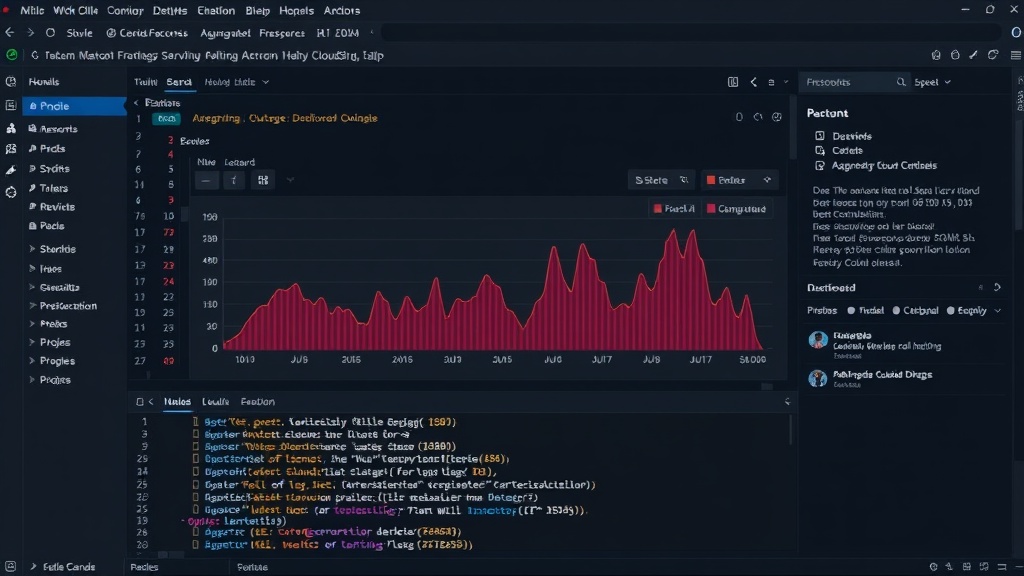
How SLA Credit Watch Works
The platform operates by continuously monitoring various data sources. This includes official status pages from major cloud providers like Amazon Web Services (AWS), Microsoft Azure, and Google Cloud Platform (GCP), as well as public user reports and incident tracking sites. When an outage is detected that potentially breaches an SLA, SLA Credit Watch logs the incident details.
Key data points captured for each incident include:
- Provider: Which cloud service provider experienced the outage.
- Service(s) Affected: The specific services impacted (e.g., compute, storage, networking, specific regions).
- Start and End Times: Precise timestamps for the beginning and end of the disruption.
- Duration: The total time the service was unavailable or degraded.
- Severity: An assessment of the impact based on affected services and user reports.
- SLA Breach Potential: An analysis of whether the outage duration likely violates the provider's SLA terms.
- Estimated Credits: A calculation of the service credits a customer might be eligible for, based on their typical usage patterns and the provider's SLA terms.
The platform then presents this information in a searchable and sortable public ledger. Users can filter by provider, service, date range, and severity. This makes it easy for organizations to verify their own downtime, understand their potential credit entitlements, and hold providers accountable.
The Transparency Imperative
This initiative is more than just a utility for claiming credits. It introduces a much-needed layer of accountability into the cloud market. For years, the exact reliability of cloud services has been a black box, with providers self-reporting performance. While many providers are excellent, the lack of independent, public verification has made it difficult for customers to make truly informed decisions about which providers offer the best reliability for their critical workloads.
Think of it like a public utility meter for cloud services. Instead of just trusting the provider's meter reading, SLA Credit Watch provides an independent, auditable log. This transparency forces providers to be more diligent about their uptime, as every significant disruption and its financial consequences are now publicly recorded. It also empowers customers, especially those with large cloud spend, to better manage their costs and negotiate more favorable terms.
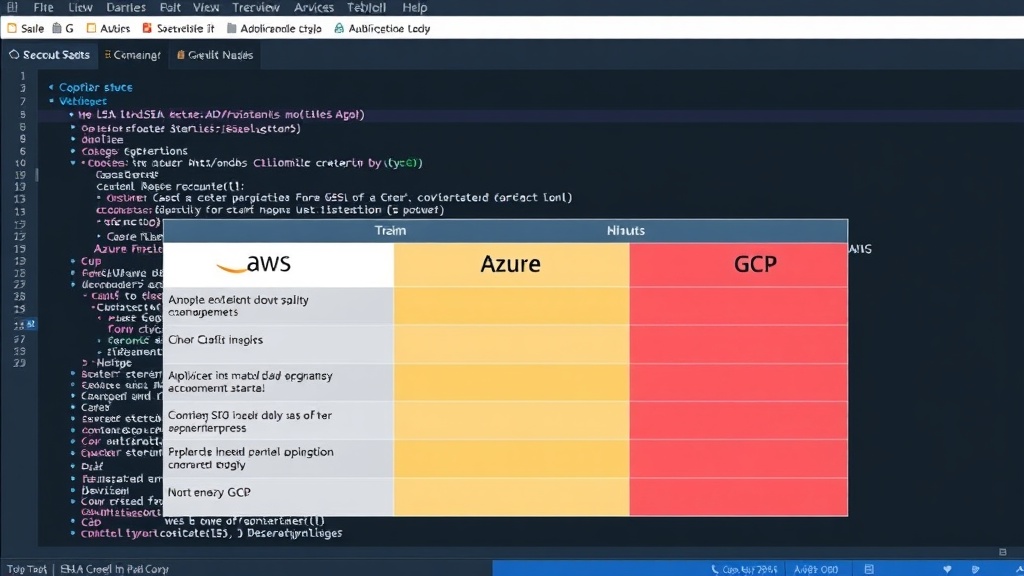
Who Benefits Most?
The primary beneficiaries are businesses that rely heavily on cloud infrastructure. This includes startups, SaaS companies, e-commerce platforms, and any organization running mission-critical applications in the cloud.
For IT Operations and DevOps Teams: They gain a tool to validate their own internal incident reports against provider data and ensure they are claiming all eligible credits. This frees up valuable time previously spent on manual tracking and claims filing.
For FinOps and Procurement Teams: The platform provides crucial data for cost management and vendor negotiation. Understanding the true cost of downtime, including unclaimed credits, offers leverage in contract discussions and helps justify cloud spend.
For Security and Compliance Officers: Reliable cloud infrastructure is often a compliance requirement. This ledger provides an independent record of provider performance, aiding in risk assessments and due diligence.
The Unanswered Question: Data Accuracy and Coverage
While the concept is powerful, the effectiveness of SLA Credit Watch hinges on the accuracy and comprehensiveness of its data. The platform relies on a combination of automated monitoring and user-submitted reports. What remains to be seen is how thoroughly it can capture every relevant outage across all services and regions, and how it will handle disputes or discrepancies with provider-reported incident data. Ensuring the data is auditable and defensible will be critical for its long-term adoption and credibility.
Looking Ahead
SLA Credit Watch's public ledger represents a significant step towards greater transparency and accountability in the cloud industry. By making outage data and SLA credit entitlements more accessible, it empowers businesses to better manage their cloud investments and pushes providers to deliver on their reliability promises. As more organizations adopt cloud services, tools that shed light on performance and cost implications will become increasingly vital.