Massive Investment Signals Future Demand
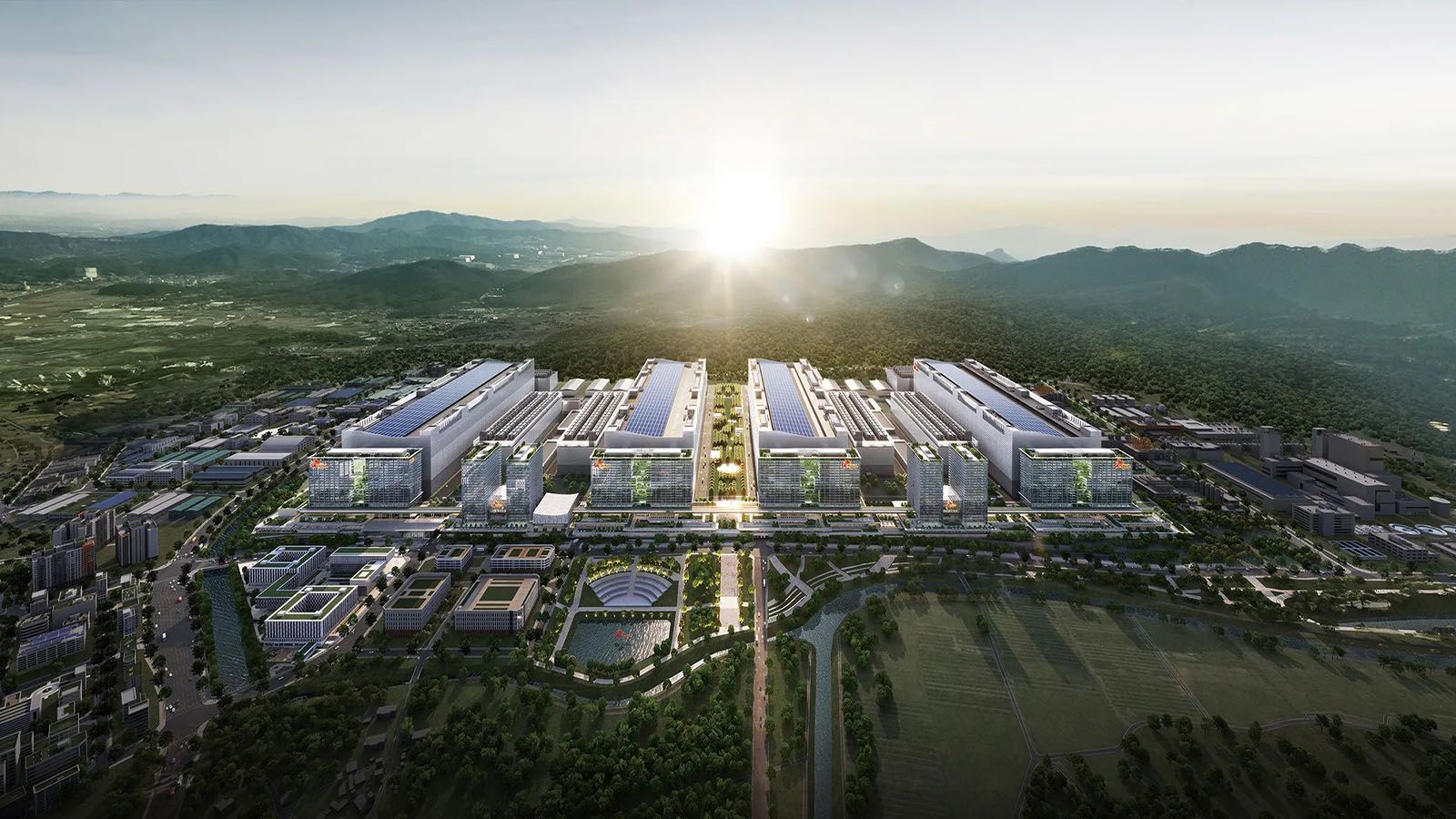
SK hynix, a titan in the memory semiconductor industry, has announced a colossal investment of $712.5 billion (approximately 962 trillion KRW) into its South Korean operations. This significant capital injection is earmarked for expanding its NAND flash manufacturing capacity in Cheongju and establishing a new, integrated DRAM production hub in Yongin. The move underscores SK hynix's strategic foresight, anticipating a surge in demand for advanced memory chips driven by artificial intelligence, high-performance computing, and the burgeoning Internet of Things (IoT) ecosystem.
While the headline figure of $712.5 billion is staggering, the specifics released thus far focus on two key areas: the Cheongju NAND expansion and the Yongin Semiconductor Cluster. The Cheongju facility, already a critical node for SK hynix's NAND production, will see substantial upgrades and new construction to bolster its output of high-density, high-performance NAND flash memory. This expansion is crucial for meeting the escalating needs of data centers, mobile devices, and solid-state drives (SSDs) that require ever-increasing storage capabilities.
The Yongin Semiconductor Cluster represents a more ambitious, long-term vision. This new facility is intended to become a state-of-the-art integrated site for DRAM production, research, and development. DRAM, or Dynamic Random-Access Memory, is the workhorse of computing, essential for the speedy processing of data in everything from personal computers and servers to advanced AI accelerators. By consolidating DRAM operations in Yongin, SK hynix aims to streamline production, foster innovation, and create a powerful ecosystem for next-generation memory technologies.
Cheongju NAND Expansion: Bolstering Flash Memory Output
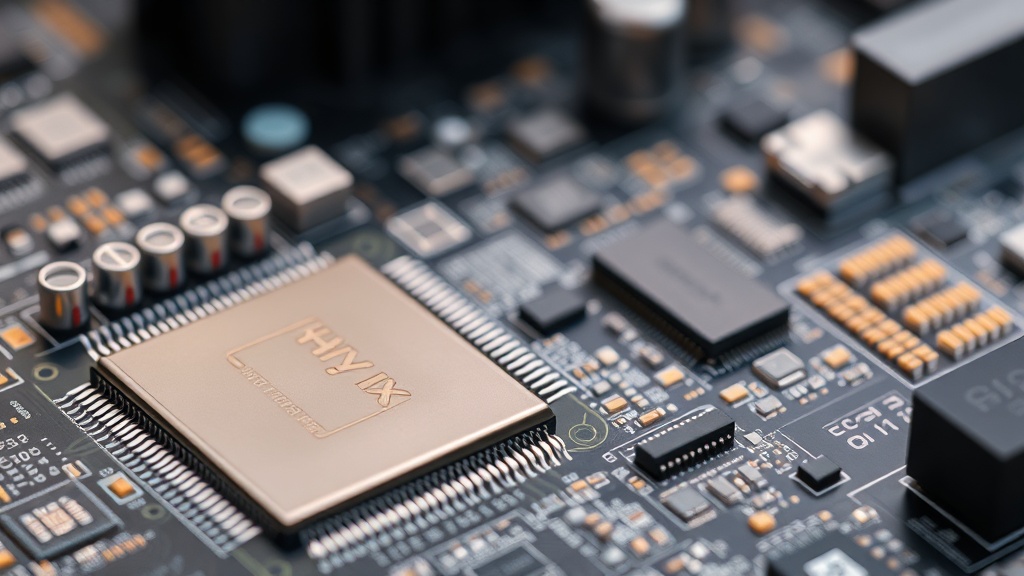
The investment in Cheongju is not merely an incremental upgrade; it signals a strategic commitment to solidifying SK hynix's position in the highly competitive NAND flash market. The company plans to construct a new fab at the Cheongju site, which will be dedicated to producing advanced NAND flash chips. This expansion is critical as the data storage landscape continues to evolve. The proliferation of large language models and AI training requires massive datasets, all of which need to be stored efficiently and accessed rapidly. Furthermore, the automotive sector's increasing reliance on embedded systems and the ongoing demand for higher-capacity smartphones and consumer electronics further fuel the need for advanced NAND solutions.
Sources indicate that the new Cheongju fab will incorporate the latest manufacturing technologies, likely focusing on 176-layer and subsequent generations of 3D NAND. This move is designed to enhance both the density and performance of SK hynix's NAND products, enabling them to compete more effectively against rivals like Samsung Electronics and Micron Technology. The packaging facility, also mentioned in conjunction with the Cheongju expansion, suggests an increased focus on advanced packaging techniques, which are becoming increasingly important for maximizing chip performance and efficiency, especially in high-end applications.
Yongin Semiconductor Cluster: The Future of DRAM Production
The establishment of the Yongin Semiconductor Cluster is arguably the most transformative element of SK hynix's investment plan. This project envisions a comprehensive campus dedicated to DRAM manufacturing, R&D, and potentially even related semiconductor materials and components. By creating an integrated cluster, SK hynix seeks to achieve significant operational synergies, accelerate innovation cycles, and cultivate a specialized talent pool in the region. The cluster is expected to house multiple DRAM fabrication plants, advanced research labs, and facilities for testing and packaging.
This strategic move into Yongin is particularly significant given the central role of DRAM in modern computing and the accelerating demands from AI. High-bandwidth memory (HBM), a specialized type of DRAM designed for AI accelerators, has become a critical component for training and running large AI models. SK hynix is already a key player in the HBM market, and the Yongin cluster is poised to become a powerhouse for its next-generation DRAM products, including advanced HBM variants. The scale of this investment suggests a long-term commitment to maintaining leadership in the DRAM market, which is subject to cyclical fluctuations but remains fundamentally essential for the global technology infrastructure.
The development of the Yongin cluster is also a testament to SK hynix's commitment to domestic manufacturing and its role in bolstering South Korea's semiconductor industry. The government has been actively encouraging such large-scale investments to secure the nation's position as a global semiconductor powerhouse, and this initiative aligns perfectly with those objectives. The cluster is anticipated to create thousands of high-skilled jobs and foster a ripple effect of economic growth throughout the region.
Strategic Implications and Market Outlook
SK hynix's substantial investment signals a clear confidence in the long-term growth trajectory of the memory semiconductor market, particularly in areas driven by AI and advanced computing. The company is positioning itself to capitalize on the anticipated demand for higher-capacity, higher-performance memory solutions. By expanding its NAND capabilities in Cheongju and building a dedicated DRAM hub in Yongin, SK hynix is creating a robust manufacturing and innovation infrastructure designed to meet future market needs.
The timing of this announcement is also noteworthy. As the global economy navigates uncertainties, SK hynix's commitment to such a large-scale, long-term investment demonstrates a strategic bet on technological advancement. The company is not just reacting to current market conditions but is actively shaping its future capacity to lead in emerging technology sectors. This proactive approach is essential for maintaining a competitive edge in an industry characterized by rapid technological evolution and intense global competition. The success of these initiatives will depend on SK hynix's ability to execute its expansion plans efficiently, navigate the complex global supply chain, and continue to innovate at the forefront of memory technology.
What remains to be seen is the precise timeline for the build-out of the Yongin cluster and the specific technological nodes that will be prioritized. While the commitment is clear, the phased rollout and the integration of new manufacturing processes will be critical factors in SK hynix's ability to meet future demand effectively.