
The Unheard Signal: A Silent Failure in OpenClaw
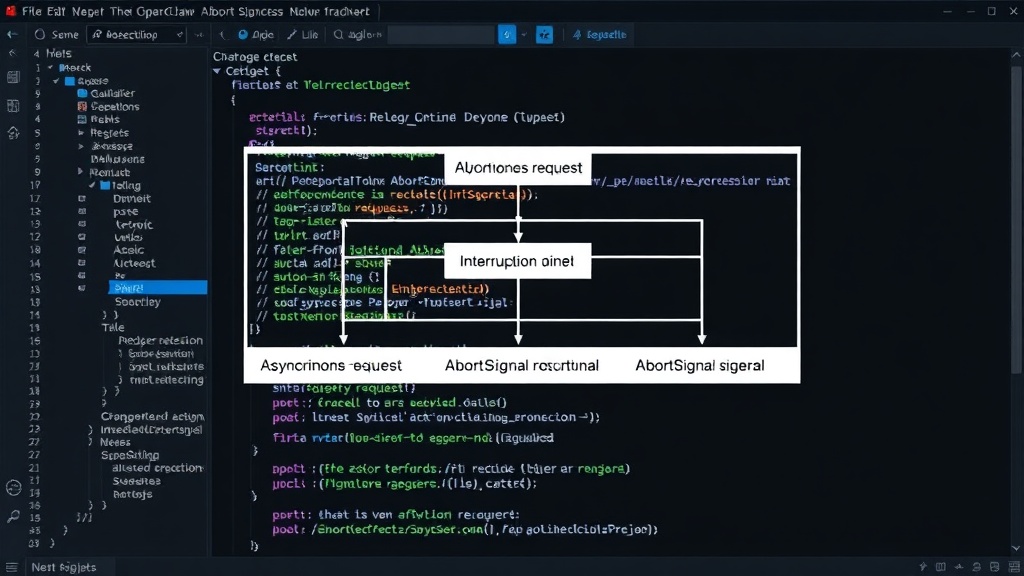
OpenClaw, a sophisticated cross-platform personal AI assistant, faced a peculiar challenge: a bug that didn't crash the system but instead caused certain user requests to vanish into the digital ether. This issue resided within OpenClaw's handling of the AbortSignal, a standard web API mechanism designed to signal the abandonment of asynchronous operations. When an operation is aborted, all related asynchronous tasks should cease, and any ongoing work should be gracefully terminated. However, a subtle flaw in OpenClaw's implementation meant that when an AbortSignal was triggered, certain requests were not only abandoned but also failed to produce any error feedback, leaving users in the dark.
The project, developed primarily in TypeScript, acts as a crucial gateway between large language models and communication channels like Telegram, Slack, Discord, and Apple Messages. It manages sessions, memory, plugins, and tool calls for AI agents. The gateway's role is critical; it sits directly between user input and the AI's output. Any breakdown in this communication chain, especially an invisible one, can lead to a degraded user experience.
Decoding the AbortSignal Bug
The core of the problem lay in how OpenClaw managed asynchronous operations that could potentially be cancelled. The AbortSignal is typically used to prevent resources from being unnecessarily consumed when a user, for example, navigates away from a page or cancels a long-running task. In OpenClaw's context, this could manifest if a user sent a follow-up message before the AI had finished processing the previous one, or if a plugin call timed out. The expected behavior is that the ongoing processing for the first request would halt, and the system would acknowledge the cancellation, perhaps by returning an error or simply by stopping further processing without side effects.
The bug, detailed in a submission for DEV's Summer Bug Smash, meant that when an AbortSignal fired, the system would stop processing the request, but it would do so without emitting any error. This is akin to a waiter clearing your plate mid-meal without asking if you're finished or if there's a problem. The user, unaware that their request had been silently dropped, would be left waiting for a response that would never come. This silent failure mode is particularly insidious because it doesn't trigger alarms or obvious error logs that would immediately flag the issue. Instead, it leads to user frustration and a perception of unreliability.
The Fix: Restoring Signal Integrity
The fix involved a careful examination of the asynchronous operation chains within OpenClaw. The developer, Aniruddha Adak, identified specific points where the AbortSignal's status was being checked, or rather, where it *wasn't* being checked or handled correctly. The solution wasn't about preventing the AbortSignal from firing, but ensuring that once it did, the system responded appropriately.
This typically involves adding explicit error handling around asynchronous operations that are subject to cancellation. When an AbortSignal is detected, the code needs to not only stop further execution but also ensure that any pending callbacks or promises related to that operation are either rejected with an appropriate error (like DOMException('Aborted', 'AbortError')) or are otherwise managed to prevent the illusion of progress. The key was to make the abortion *heard* by the system and, by extension, by the user or the calling process, rather than letting it pass unnoticed.
The process of debugging such a bug requires meticulous tracing of asynchronous operations. Tools that can visualize promise chains and event loop activity are invaluable. For a project like OpenClaw, which integrates with multiple external services and LLMs, the interdependencies can become complex. A bug in a signal handler might only manifest under specific timing conditions, making it a classic race condition or a subtle state management error. The fact that this bug was submitted as part of a bug smash event powered by Sentry suggests that even sophisticated error monitoring tools might miss these types of silent failures if not specifically configured or if the failure mode doesn't produce a distinct exception.
Broader Implications for AI Assistants
This incident highlights a common challenge in building complex, asynchronous systems, particularly those involving AI. The need for robust error handling, especially for cancellation signals, is paramount. Users expect AI assistants to be responsive and predictable. Silent failures erode trust more effectively than outright errors, which at least indicate that something went wrong and might provide a clue for debugging.
For developers working on similar AI gateway projects or any application relying heavily on asynchronous operations and cancellation tokens, this serves as a reminder to rigorously test the edge cases of signal handling. It's not enough for an operation to stop; it must stop cleanly and signal its termination. This bug, though seemingly small, could have a significant impact on user experience, leading to missed messages, incomplete tasks, and a general sense of unreliability in the AI assistant.
The OpenClaw project's commitment to addressing such issues, even those that are difficult to detect, is a positive sign for its users. By making the signal heard, the project aims to improve the reliability and transparency of its AI agent interactions.