SheetSync Enters the Arena
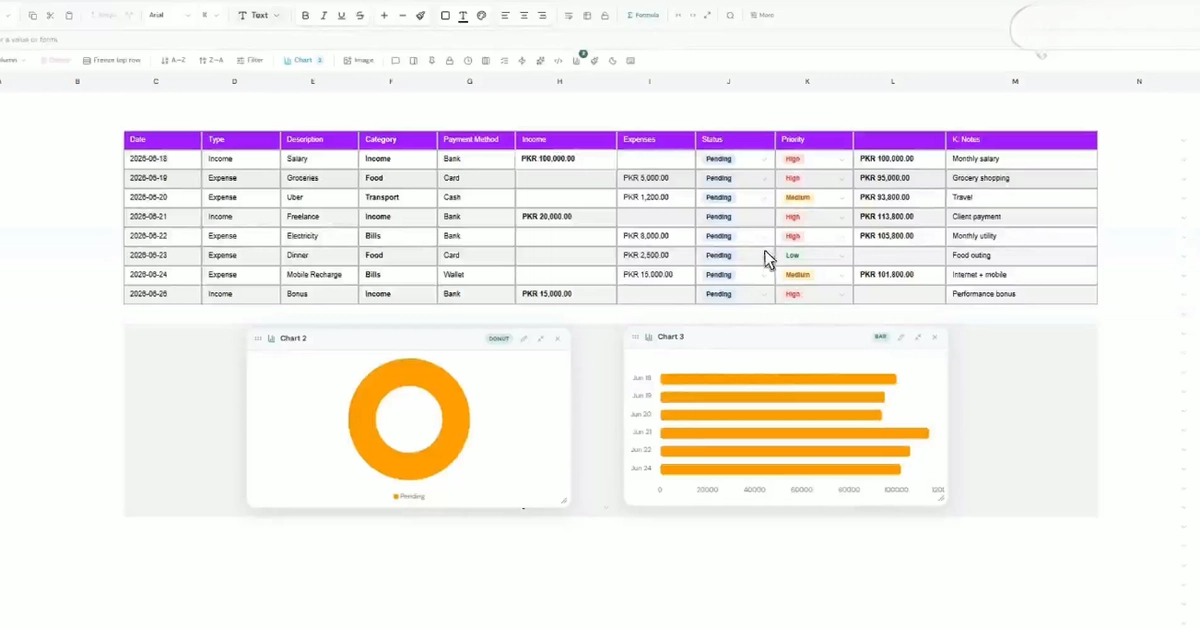
Hassan Khan has open-sourced SheetSync, a full-featured spreadsheet application built as a direct competitor to Google Sheets. This move makes a robust, self-hostable alternative available to developers and organizations looking to move away from proprietary cloud-based office suites. SheetSync aims to replicate the core functionality and user experience of established spreadsheet giants while offering the flexibility and control of an open-source project.
The application is architected using modern web technologies. The frontend is powered by Next.js, a popular React framework, ensuring a fast and responsive user interface. TypeScript is employed for static typing, enhancing code quality and maintainability. For the backend and database, SheetSync leverages Supabase, an open-source Firebase alternative that provides a PostgreSQL database, authentication, and storage solutions. This stack enables SheetSync to offer real-time collaboration features and persistent data storage.
Core Features and Functionality
SheetSync doesn't shy away from delivering a comprehensive feature set designed to meet the demands of everyday spreadsheet users. It supports a wide range of essential functionalities:
- Formulas: A robust formula engine allows for complex calculations, mirroring the capabilities found in Google Sheets.
- Cell Merging: Users can merge cells to create more complex layouts and present data in a structured manner.
- Data Validation: Implement rules to ensure data integrity and consistency within cells.
- Charts: Visualize data with various chart types, enabling better understanding and presentation of information.
- Export Options: Seamlessly export spreadsheets to PDF and CSV formats for sharing and offline use.
- Organization and Workspace Management: The app includes features for organizing sheets into workspaces or organizations, with support for inviting other users via invite links.
Beyond these core features, SheetSync also provides pre-built templates. These templates are designed for common use cases and come with pre-configured merged cells and custom row heights, streamlining the setup process for new projects.
The Open Source Advantage
The decision to open-source SheetSync is significant. It allows any individual or organization to deploy their own instance of the application, retaining full control over their data. This is a critical consideration for businesses with strict data privacy requirements or those seeking to avoid vendor lock-in. Developers can inspect the codebase, contribute improvements, and even customize the application to fit specific needs. The project is hosted on GitHub, inviting community contributions and fostering a collaborative development environment.
Khan explicitly encourages community involvement, stating a desire for users to explore the repository, read the README file, and consider contributing through GitHub Stars or direct code contributions. This open approach suggests a long-term vision for SheetSync as a community-driven project, aiming to evolve and improve based on user feedback and developer input.
Technical Stack Deep Dive
The choice of Next.js provides SheetSync with server-side rendering and static site generation capabilities, leading to improved performance and SEO. Its component-based architecture, inherited from React, facilitates the development of a dynamic and interactive user interface. TypeScript adds a layer of safety, catching potential errors during development rather than at runtime, which is crucial for an application managing complex data interactions like a spreadsheet.
Supabase serves as the backend-as-a-service (BaaS) platform. Its PostgreSQL database is a powerful and mature relational database, capable of handling structured data efficiently. Features like real-time subscriptions allow for instant updates across multiple connected clients, enabling collaborative editing. Supabase's authentication system simplifies user management, and its storage capabilities can be used for handling file uploads or exports. This combination of Next.js and Supabase creates a robust, scalable, and modern full-stack application.
Implications for the Spreadsheet Market
SheetSync's entry as an open-source alternative challenges the dominance of established players like Google Sheets and Microsoft Excel. While these commercial offerings benefit from massive R&D budgets and extensive marketing, open-source projects like SheetSync can carve out a niche by offering data sovereignty, customization, and cost-effectiveness, especially for self-hosted deployments. The project taps into a growing demand for privacy-focused and transparent software solutions.
For developers, SheetSync presents an opportunity to engage with a project that has real-world applicability. Contributing to SheetSync could mean improving formula parsing, enhancing UI components, or optimizing database interactions. The project's existence also lowers the barrier to entry for building similar complex web applications, serving as a valuable learning resource.
Looking Ahead
The success of SheetSync will largely depend on community adoption and ongoing development. As an open-source project, its future roadmap is inherently tied to the contributions and feedback it receives. Khan's initiative to open-source the application is a commendable step towards democratizing powerful productivity tools. Users seeking an alternative to cloud-dependent spreadsheets now have a viable, community-backed option to explore.
The project's GitHub repository and live demo are readily available for anyone interested in trying it out or contributing. SheetSync represents a compelling development in the ongoing evolution of collaborative productivity software, emphasizing user control and open standards.