
The Problem with Scraped Data
GitHub's trending page serves as a crucial discovery engine for millions of developers, surfacing new and popular projects daily. However, GitHub has never released an official API for this data. Developers seeking programmatic access must resort to scraping the HTML from the trending page. This approach, while functional, introduces significant fragility. Existing scrapers typically rely on a single source, creating a single point of failure. A minor HTML change on GitHub's end, or a Cloudflare rate-limiting challenge, can render these services unavailable for days, leaving users without their essential data feed.
This fragility led to the development of Hydra, a self-healing API designed to ensure continuous availability. The core philosophy behind Hydra is to refuse "the source is down" as an acceptable answer. The project, now live at hydra9.dev, aims to provide a robust and reliable data stream for GitHub's trending repositories.
Hydra's Resilient Architecture
Hydra's architecture is built around redundancy and intelligent routing to overcome the inherent instability of scraping. Instead of relying on a single scraper, Hydra employs multiple independent scrapers, each targeting different aspects or even alternative sources of trending data. This multi-source approach is the foundation of its self-healing capabilities.
The system begins with a Router. When a request comes in, the router doesn't just pick the first available scraper. It tries them in a specific order, with each attempt protected by a circuit breaker pattern. If one scraper fails – whether due to an HTML structure change, rate limiting, or an outright outage on GitHub's side – the router automatically switches to the next available scraper in its prioritized list. This ensures that the API can continue to serve data even if one or more of its underlying scraping sources are compromised.
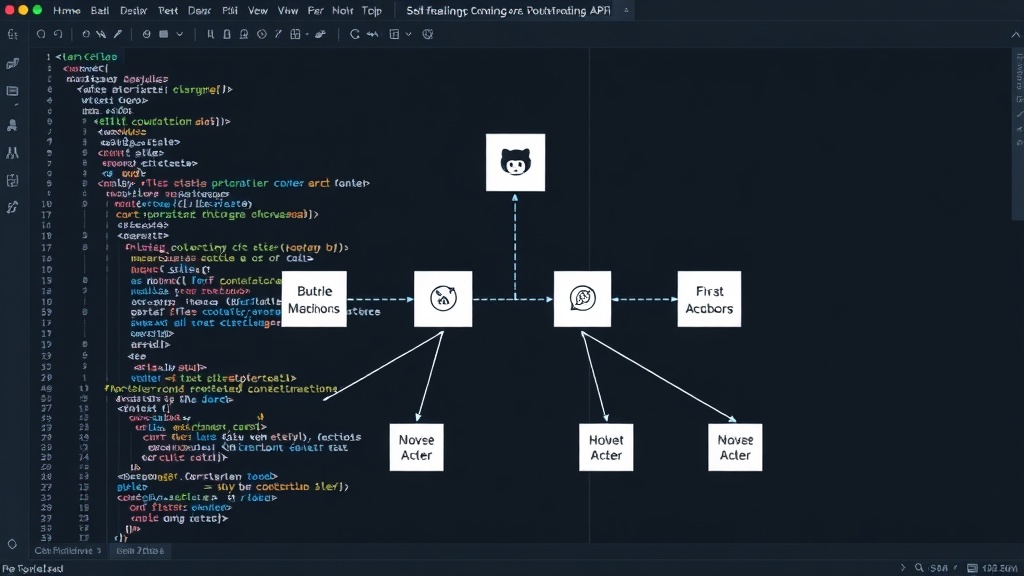
The selection of these multiple scrapers is critical. Hydra doesn't just scrape the main trending page. It can be configured to scrape different programming language pages, different timeframes (daily, weekly, monthly), and potentially even alternative data aggregators if they become available. This diversification significantly reduces the probability that all sources will fail simultaneously. Each scraper is designed to be as independent as possible, minimizing the blast radius of any single failure.
Implementing Self-Healing
The "self-healing" aspect comes into play through continuous monitoring and automated recovery. Each scraper is constantly checked for health. When a scraper begins to return errors, or if its output deviates significantly from expected patterns, it is flagged. The circuit breaker mechanism prevents new requests from being sent to a failing scraper. Meanwhile, the system might attempt to restart the failing scraper, or, more importantly, it will prioritize requests to other healthy scrapers. If a scraper has been down for an extended period, or if its underlying scraping logic is broken due to an upstream change, it can be automatically disabled, preventing it from consuming resources and returning errors.
The development process for Hydra was remarkably swift, designed and implemented within a single day. This rapid development was enabled by a clear focus on the core problem: data availability. By abstracting the scraping logic and building a resilient routing layer on top, the project achieved its goal of a continuously available trending API.
What This Means for Developers and Users
For developers who rely on GitHub trending data, Hydra offers a much-needed improvement in reliability. Instead of experiencing downtime when GitHub makes minor website updates, users can expect a consistent data stream. This reliability is crucial for tools that automate project discovery, build recommendation engines, or track emerging technologies. The API provides a stable endpoint, abstracting away the complexities and fragility of direct web scraping.
Hydra’s existence also signals a potential shift in how developers approach data scraping. It demonstrates that building resilient, self-healing systems is achievable, even for data sources that lack official APIs. The architectural pattern of multiple, monitored sources behind a smart router can be applied to many other web-scraped data challenges.
The surprising detail here is not the speed of development, but the explicit rejection of the status quo. The project was born from the frustration of seeing reliable data feeds break due to upstream changes, and the creator simply refused to accept that as an immutable fact of life for developers. This proactive approach to system resilience is a valuable lesson.
Future Considerations
While Hydra is designed for resilience, the ongoing maintenance of multiple scrapers will be key. As GitHub evolves its website, each individual scraper will eventually need updates. The effectiveness of Hydra will depend on how quickly these individual scraping components can be adapted and deployed. Furthermore, exploring alternative data sources beyond direct GitHub scraping could further enhance its robustness. For instance, if other platforms begin aggregating or analyzing GitHub trending data and offer their own APIs, Hydra could potentially integrate these as additional redundant sources.