A Partnership Forged in Crisis
Thirty years ago, a fledgling graphics chip company teetered on the brink of collapse. Nvidia, then a little-known startup, was facing severe financial headwinds. Its groundbreaking RIVA 128 chip, intended to be its savior, was delayed, and the company was burning through cash. It was Sega, the gaming giant then at a crossroads itself, that extended a crucial lifeline. In 1996, Sega invested $5 million into Nvidia, a move that history now shows was not just a financial transaction but a foundational act that enabled Nvidia's future dominance in graphics processing.
This investment, often cited as the single most critical early financial backing for Nvidia, allowed the company to weather its storm and bring the RIVA 128 to market. While the RIVA 128 itself had a mixed reception, the capital infusion and the strategic partnership it represented were invaluable. It signaled Sega's belief in Nvidia's vision for accelerated graphics, a vision that would eventually redefine not only PC gaming but also the broader landscape of visual computing and artificial intelligence.
Now, three decades later, Nvidia CEO Jensen Huang is traveling to Tokyo to commemorate this enduring relationship. The company is hosting an event in Akihabara, the famed electronics district, to celebrate the 30-year anniversary of this pivotal partnership. This gathering is more than just a look back; it's a testament to a relationship that has evolved from a critical rescue to a deeply intertwined future.
From Console Wars to AI Dominance
The initial collaboration between Sega and Nvidia was primarily focused on bringing cutting-edge graphics to Sega's gaming platforms. As PCs became more powerful and gaming evolved, Nvidia's GPUs became the de facto standard for high-fidelity graphics. The partnership saw Nvidia's technology power Sega's consoles and PC offerings, aligning their fortunes with the trajectory of digital entertainment. This period was marked by intense competition, often referred to as the 'console wars,' where graphics performance was a key differentiator.
However, the scope of their relationship has broadened dramatically. Nvidia's evolution from a graphics card manufacturer to a powerhouse in artificial intelligence and high-performance computing has reshaped the tech industry. Its CUDA platform, initially developed to leverage the parallel processing power of its GPUs for scientific computing, has become indispensable for AI research and development. This pivot has placed Nvidia at the center of the AI revolution, a domain that Sega, as a pioneer in interactive entertainment, is also increasingly involved with, exploring AI for game development, player engagement, and new interactive experiences.
The upcoming event in Akihabara is set to reflect this dual focus. It will not only celebrate the historical significance of their partnership but also look towards the future of gaming and AI. The inclusion of a GeForce RTX 5090 FE lottery hints at the continued importance of high-end consumer graphics, while the "RTX Spark" presentation suggests a forward-looking discussion, likely detailing new initiatives or technologies at the intersection of Nvidia's core strengths and Sega's creative endeavors. This could encompass advancements in real-time ray tracing, AI-assisted content creation for games, or even new forms of interactive entertainment powered by advanced AI.
The Akihabara Celebration: What to Expect
The choice of Akihabara for the celebration is deliberate. Known globally as a hub for electronics, anime, and gaming culture, it provides the perfect backdrop for a joint commemoration. Attendees can expect a blend of nostalgia and forward-looking technology. The GeForce RTX 5090 FE lottery is a significant draw for PC gaming enthusiasts, offering a chance to win one of Nvidia's most powerful consumer graphics cards. This highlights the enduring consumer gaming market that was a cornerstone of the initial partnership.
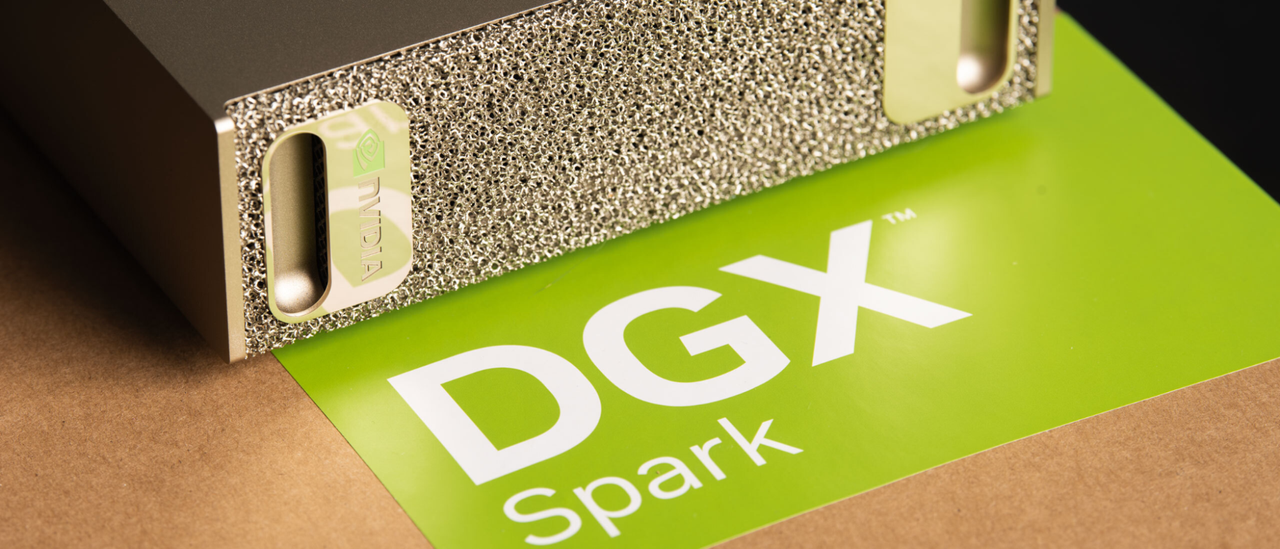
The "RTX Spark" presentation, however, is where the future will likely take center stage. While details are scarce, the name itself implies a focus on innovation and the spark of creativity enabled by RTX technology. Given Nvidia's current trajectory, this presentation could cover a range of topics. Possibilities include new SDKs or frameworks for AI in game development, demonstrations of AI-powered graphics techniques that can dramatically reduce development time or enhance visual fidelity, or even a glimpse into how Nvidia's AI infrastructure can support Sega's broader digital content strategies. It’s also possible that "Spark" refers to a new platform or initiative aimed at fostering developer innovation within the Sega ecosystem, leveraging Nvidia's AI and graphics capabilities.
This event serves as a powerful symbol of enduring collaboration. It’s a reminder that critical early investments can yield decades of mutual growth and innovation. For both Nvidia and Sega, this partnership has been a journey from surviving challenging times to leading their respective, and increasingly converging, industries. The celebration in Tokyo is not just about a 30-year milestone; it’s about charting the course for the next three decades, where graphics, AI, and interactive entertainment will undoubtedly continue to intertwine.
What remains to be seen is how this renewed focus on partnership will translate into concrete product collaborations or joint ventures. While the event celebrates history, its true value will lie in seeding future innovations that leverage both Sega's creative legacy and Nvidia's technological might. The $5 million investment from 1996 was a bet on the future; this event marks a recommitment to that future, in an era defined by AI.