
Samsung 990 EVO 2TB SSD: An Iterative Update
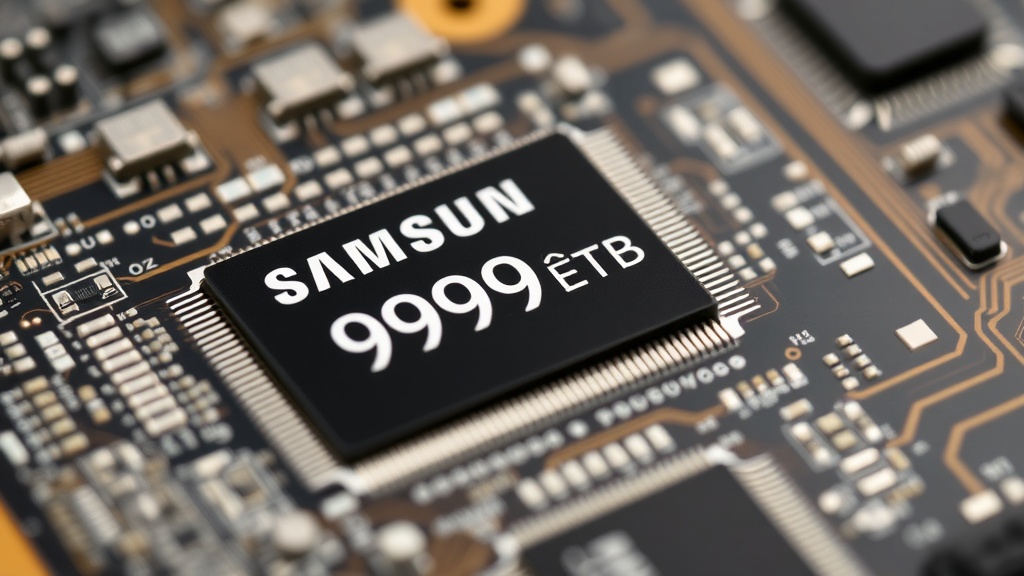
Samsung's 990 EVO 2TB SSD arrives with the promise of updated NAND flash technology, but early reviews suggest it delivers performance largely in line with its predecessors. This iteration, which sits within Samsung's EVO line, utilizes QLC (Quad-Level Cell) NAND, a choice that typically balances density and cost but can impact sustained performance and endurance compared to TLC (Triple-Level Cell) drives. Despite the newer flash, the 990 EVO 2TB doesn't present a significant leap forward in raw speed or power efficiency, making it an evolutionary rather than revolutionary upgrade for consumers looking for the absolute bleeding edge in SSD technology.
Performance Benchmarks: A Known Quantity
When benchmarked, the Samsung 990 EVO 2TB SSD demonstrates sequential read and write speeds that, while respectable, do not dramatically outpace previous generations. For everyday tasks such as booting an operating system, loading applications, and general file transfers, the drive performs admirably. Its advertised sequential read speeds can reach up to 7,000 MB/s and sequential writes up to 6,400 MB/s. However, in real-world scenarios and more demanding synthetic tests, these figures often stabilize closer to what was achievable with older Samsung models, particularly the 980 PRO or even some earlier 980 EVO drives. The QLC nature of the NAND means that sustained writes, especially when filling the drive beyond its SLC cache, can see a noticeable performance drop, a characteristic common to QLC drives but one that might disappoint users expecting a substantial generational performance uplift.
Power Efficiency: Room for Improvement
One area where the 990 EVO 2TB falls short of expectations is power efficiency. While modern SSDs are generally more power-conscious than their predecessors, the 990 EVO 2TB exhibits mediocre power consumption figures. This is particularly relevant for users building compact systems, laptops, or for those concerned about heat generation and overall system power draw. The newer flash technology, while offering density benefits, does not appear to translate into significant gains in reducing power requirements under load. This means that while the drive offers solid performance for its class, it may not be the most power-frugal option available, especially when compared to some competing drives that have prioritized efficiency alongside speed. For users whose primary concern is longevity and minimal power draw, this could be a deciding factor.
Endurance and Reliability: QLC Considerations
The endurance rating for the 2TB Samsung 990 EVO SSD is rated at 1,200 TBW (Terabytes Written). This figure is generally considered adequate for most consumer use cases, including gaming, content creation, and daily computing. However, it is lower than what is typically offered by TLC-based SSDs, which often exceed 1,500 TBW for similar capacities. QLC NAND, by its nature, has a lower P/E (Program/Erase) cycle count than TLC, meaning it can withstand fewer write cycles before the cells begin to degrade. For the average user who writes data intermittently and does not constantly push the drive to its limits, 1,200 TBW should provide years of reliable service. Power users and those who frequently perform heavy write operations might want to consider the long-term endurance implications of QLC technology. Samsung's reputation for reliability is strong, and the drive is backed by a standard 5-year warranty, offering a degree of confidence in its longevity.
The Market Context: A Crowded Space
The SSD market is intensely competitive, with manufacturers constantly iterating on existing designs and introducing new technologies. The Samsung 990 EVO 2TB enters a landscape populated by numerous high-performance PCIe 4.0 drives and an increasing number of PCIe 5.0 options. While the 990 EVO 2TB offers a familiar, reliable Samsung experience, its performance and efficiency metrics place it squarely in the mid-to-upper tier of PCIe 4.0 SSDs rather than at the forefront of innovation. Competitors offer drives with similar or even superior performance characteristics, sometimes at more aggressive price points or with better endurance ratings. The decision to use QLC NAND positions the 990 EVO 2TB as a drive that balances cost and capacity, likely targeting users who want a reputable brand and solid performance without necessarily requiring the absolute fastest or most efficient storage available. The surprising detail here is not the performance itself, but how little the new flash technology seems to have moved the needle on efficiency compared to previous generations.
Conclusion: A Safe, Not Spectacular, Choice
The Samsung 990 EVO 2TB SSD is a competent drive that offers a familiar and reliable user experience. It leverages updated NAND flash, but this does not translate into a generational leap in performance or power efficiency. For users seeking a dependable 2TB SSD for general computing, gaming, and moderate content creation, it is a solid choice, especially if found at a competitive price. However, for enthusiasts demanding the pinnacle of speed, or for those prioritizing maximum power efficiency and endurance, other options in the market might be more compelling. Samsung has delivered a product that meets expectations without significantly exceeding them, a safe bet in a market that often rewards bold innovation.