
The Inbound AI Agent: A 17,000 Conversation Deep Dive
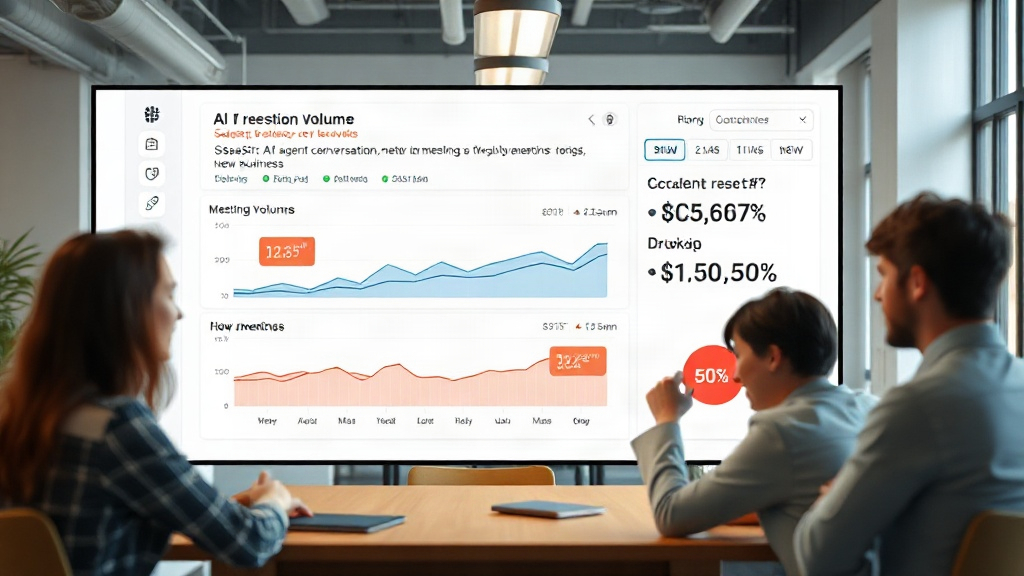
In the relentless pursuit of efficient lead generation, SaaStr has deployed an inbound AI agent that has logged an impressive 17,000 conversations with prospects over the past 12 months. This AI-driven initiative has been instrumental in booking approximately 600 meetings, specifically for the SaaStr AI Annual event. When combined with a newer, self-serve agent introduced to complement its capabilities, the impact on new business acquisition is substantial: a reported 60% increase. Remarkably, this entire operation is managed by a lean team of just three human operators.
Amelia, a key figure in this deployment, shared insights into the operational mechanics and strategic thinking behind this AI agent’s success. The core function of the inbound agent is to engage with website visitors, qualify leads, and schedule follow-up meetings, effectively acting as a 24/7 sales development representative. This allows the human team to focus on higher-value tasks such as closing deals and strategic account management, rather than initial outreach and qualification.
The success of this AI agent is not merely in the volume of conversations, but in the quality of engagement and the tangible business outcomes. Booking 600 meetings for a specific event like SaaStr AI Annual demonstrates a targeted and effective lead nurturing process. The 60% uplift in new business is a powerful testament to the agent’s ability to convert interest into concrete opportunities. This isn't about replacing human interaction entirely, but augmenting it, creating a more scalable and efficient sales funnel.
The strategy hinges on a sophisticated understanding of prospect intent and the ability of the AI to provide relevant information and guidance. Think of it less like a chatbot spitting out pre-programmed answers and more like a highly trained assistant who can understand nuances, ask clarifying questions, and guide a prospect towards the next logical step. The key is that the AI is trained on SaaStr’s specific sales process and customer profiles, ensuring its interactions are on-brand and highly relevant.
Operational Efficiency and Human Oversight
The fact that three humans manage an AI agent that handles 17,000 conversations and books hundreds of meetings highlights a significant shift in operational efficiency. This lean staffing model is a critical component of the success. It suggests that the AI is not only effective but also requires minimal human intervention for day-to-day operations. The human operators likely focus on refining the AI’s performance, handling complex edge cases that the AI cannot resolve, and analyzing the data generated from the conversations to identify trends and areas for improvement.
This model is particularly relevant for SaaS companies aiming to scale their sales efforts without proportionally increasing headcount. The AI agent acts as a force multiplier, handling the repetitive and high-volume aspects of inbound lead management. This frees up the human team to engage with the most promising leads, conduct in-depth discovery calls, and build relationships, ultimately leading to higher conversion rates and a more positive customer experience.
The introduction of a second, self-serve agent on top of the initial inbound agent signifies an evolution in their strategy. This layered approach likely caters to different user needs or stages in the buyer’s journey. The inbound agent might focus on initial engagement and meeting booking, while the self-serve agent could be designed for prospects who prefer to explore information and solutions independently before speaking with a human. This dual-agent system provides flexibility and caters to a wider spectrum of prospect preferences, contributing to the overall 60% increase in new business.
The Business Impact and Future Implications
The 60% increase in new business driven by these AI agents is a compelling data point for any company considering similar investments. It demonstrates that AI is not just a theoretical concept but a practical tool capable of delivering significant, measurable business results. For SaaStr, this means a more robust pipeline, accelerated revenue growth, and a more sustainable sales model. The ability to book 600 meetings for a key event also underscores the agent’s effectiveness in driving specific, high-priority business objectives.
What remains to be fully explored is the long-term impact on customer acquisition cost (CAC) and customer lifetime value (CLTV). If these AI agents can consistently generate high-quality leads at a lower cost than traditional methods, the implications for profitability and competitive advantage are immense. Furthermore, the data gathered from these 17,000 conversations provides a rich source of insights into prospect needs, pain points, and buying behaviors, which can inform product development, marketing strategies, and overall business direction.
The success of SaaStr’s inbound AI agent serves as a blueprint for other organizations. It showcases the power of strategically implementing AI to automate, optimize, and scale critical business functions. As AI technology continues to advance, we can expect to see even more sophisticated agents capable of handling more complex interactions and driving even greater business value. The key takeaway is clear: AI, when thoughtfully deployed and managed, can be a powerful engine for growth.