
Ryuk Operator Admits Guilt in U.S. Court
A 34-year-old Armenian man has pleaded guilty in a U.S. federal court to charges related to deploying the Ryuk ransomware. The defendant, identified as a key operator within the Ryuk ransomware-as-a-service (RaaS) network, admitted to participating in criminal activities that targeted numerous U.S. companies, leading to significant financial losses through encryption and extortion. This plea marks a notable success for U.S. law enforcement in its ongoing efforts to dismantle sophisticated cybercrime operations.
The Ryuk ransomware, known for its destructive capabilities and high ransom demands, has been a persistent threat to businesses across various sectors, including healthcare, manufacturing, and government. Ryuk attacks typically involve sophisticated infiltration techniques, often leveraging compromised credentials or exploiting unpatched vulnerabilities to gain initial access to a victim's network. Once inside, the ransomware is deployed to encrypt critical data, rendering systems inoperable and forcing organizations to choose between paying a substantial ransom or suffering prolonged downtime and potential data loss.
Prosecutors have detailed the defendant's role as a direct participant in the ransomware attacks. This included not only the deployment of the Ryuk malware but also involvement in the extortion process, communicating with victims to demand ransom payments, often in the cryptocurrency Bitcoin. The scale of the operation is substantial, with investigations revealing that the Ryuk RaaS network extorted over $370 million in ransom payments from its victims. The plea agreement signifies a critical juncture, as it implicates an individual directly involved in the technical execution and financial demands of these cybercrimes.
Ryuk's Impact and Modus Operandi
Ryuk ransomware operates primarily as a ransomware-as-a-service (RaaS) model. This means that the developers of the ransomware lease it out to affiliates who then conduct the actual attacks. The developers take a cut of the ransom payments, while the affiliates keep the rest. This model allows for a wider reach and a more distributed criminal enterprise, making it harder to track and apprehend all involved parties.
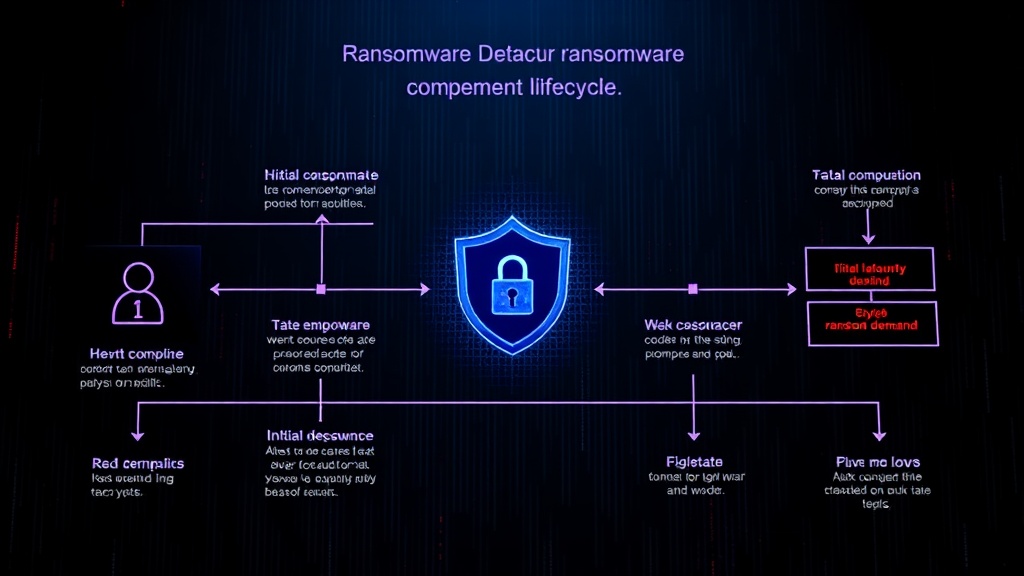
The typical Ryuk attack chain begins with a compromise, often through phishing emails containing malicious attachments or links, or by exploiting vulnerabilities in public-facing servers. Once an initial foothold is established, the attackers move laterally within the network, seeking out valuable data and critical systems. They often disable security software and backup systems to maximize the impact of the encryption. The ransomware itself is designed to be highly effective, encrypting files rapidly and making recovery without a decryption key exceedingly difficult. The ransom demands are typically substantial, reflecting the critical nature of the encrypted data and the potential business disruption.
The financial impact of Ryuk attacks has been devastating for many organizations. Beyond the ransom payments themselves, victims incur significant costs associated with incident response, forensic analysis, system recovery, and reputational damage. In some instances, organizations have been forced into bankruptcy or have had to cease operations entirely due to the severity of the attacks. The U.S. Department of Justice has highlighted that the financial gains from Ryuk operations have funded other criminal activities, creating a broader threat landscape.
Legal Ramifications and Future Implications
The plea agreement means the defendant faces a maximum sentence of 15 years in prison. This sentence will be determined by a U.S. District Court judge based on the totality of the circumstances, including the defendant's cooperation with authorities and the severity of the criminal conduct. The U.S. Attorney's Office for the Eastern District of Virginia, which is prosecuting the case, has been at the forefront of pursuing cybercriminals responsible for large-scale ransomware attacks.
This conviction is part of a broader international effort to combat ransomware. Law enforcement agencies worldwide have been increasing their collaboration to disrupt the operations of ransomware gangs, arrest key figures, and seize illicit proceeds. The Ryuk RaaS network, in particular, has been a target of significant investigative attention. The prosecution of individual operators like the one who pleaded guilty is crucial for disrupting the entire ecosystem, from developers to affiliates.
The implications of this plea extend beyond the individual. It serves as a strong deterrent to others involved in similar criminal enterprises. It also highlights the increasing effectiveness of international cooperation in cybercrime investigations. While Ryuk may have seen a decline in activity following increased law enforcement pressure and the arrest of some key figures, the underlying RaaS model and the techniques employed by such groups continue to evolve, posing an ongoing challenge for cybersecurity professionals and businesses alike.
The Justice Department has stated its commitment to holding accountable those who profit from crippling cyberattacks. This plea is a testament to that commitment. The investigation into the broader Ryuk network and its affiliates is ongoing, and further arrests or indictments may follow. The success in this case underscores the importance of robust digital forensics, international legal assistance treaties, and dedicated cybercrime units.