The Rise of Agentic Workflows
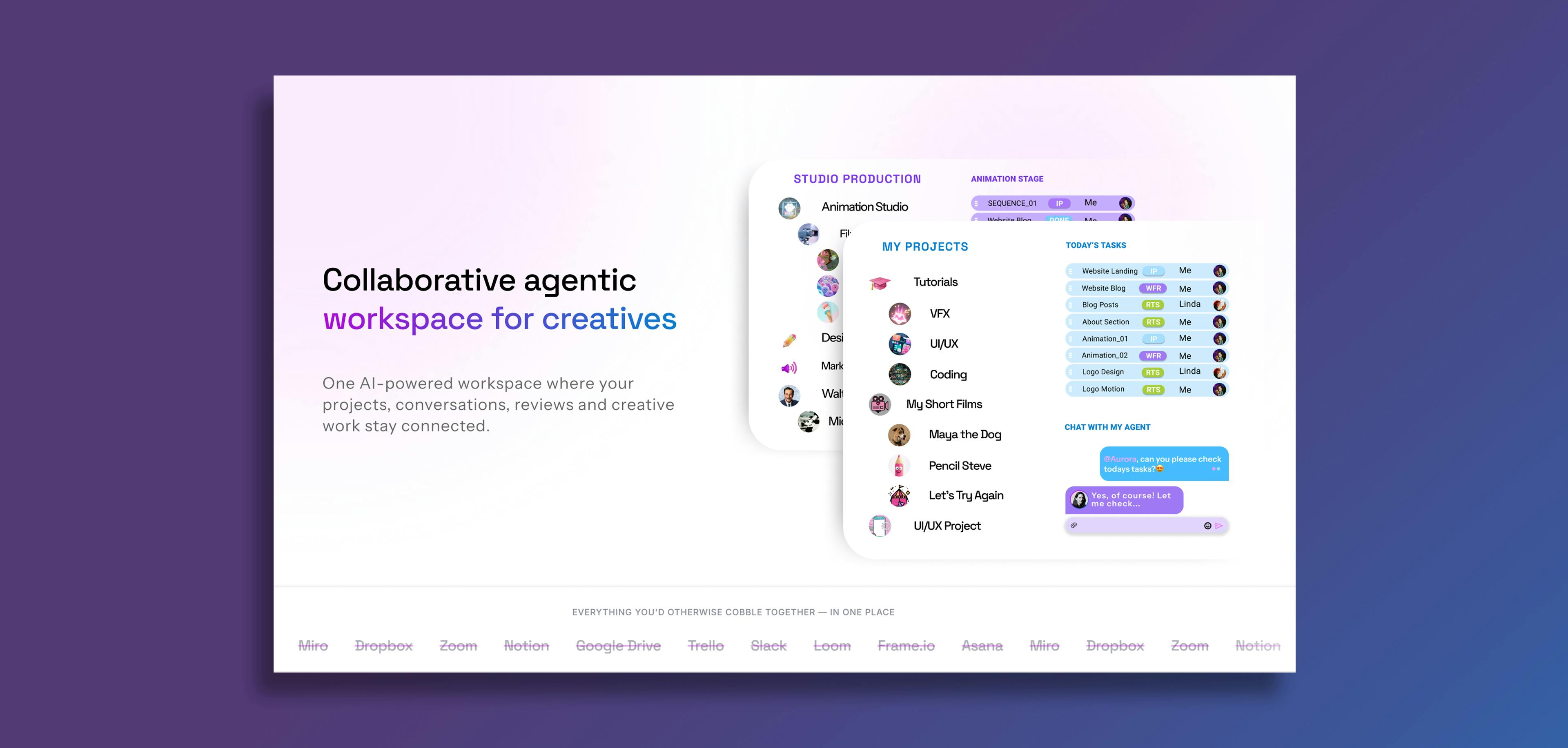
The creative industry, long reliant on human intuition and manual coordination, is poised for a significant shift with the launch of RunEvr. This new platform positions itself as an agentic project management environment specifically designed for creatives. Unlike traditional project management tools that serve as passive organizers, RunEvr introduces AI agents that actively participate in and automate various stages of the creative workflow. This move signals a broader trend towards integrating artificial intelligence not just for task assistance, but for autonomous process management within specialized professional domains.
At its core, RunEvr aims to streamline the often-chaotic journey of creative projects, from ideation to final delivery. The platform leverages AI agents to handle repetitive tasks, manage communication, track progress, and even provide creative input or suggestions. This approach promises to free up human creatives to focus on higher-level strategic thinking, conceptualization, and the nuanced artistic elements that define their work. The vision is to create an environment where AI agents act as a proactive, intelligent layer, augmenting human capabilities rather than merely supporting them.
The concept of agentic environments is not entirely new, but its application within the creative sector represents a novel frontier. Traditional project management software, such as Asana, Trello, or Monday.com, primarily offers dashboards, task assignment, and progress tracking. While effective for organization, they require constant human input to drive progress. RunEvr's agentic model suggests a departure from this paradigm, envisioning AI entities that can initiate actions, respond to project changes autonomously, and learn from project patterns to optimize future workflows. This could manifest as an agent automatically identifying a bottleneck in a design review process and proactively assigning a task to the relevant team member, or an agent that monitors client feedback and suggests revisions to a marketing campaign draft.
Automating the Creative Process
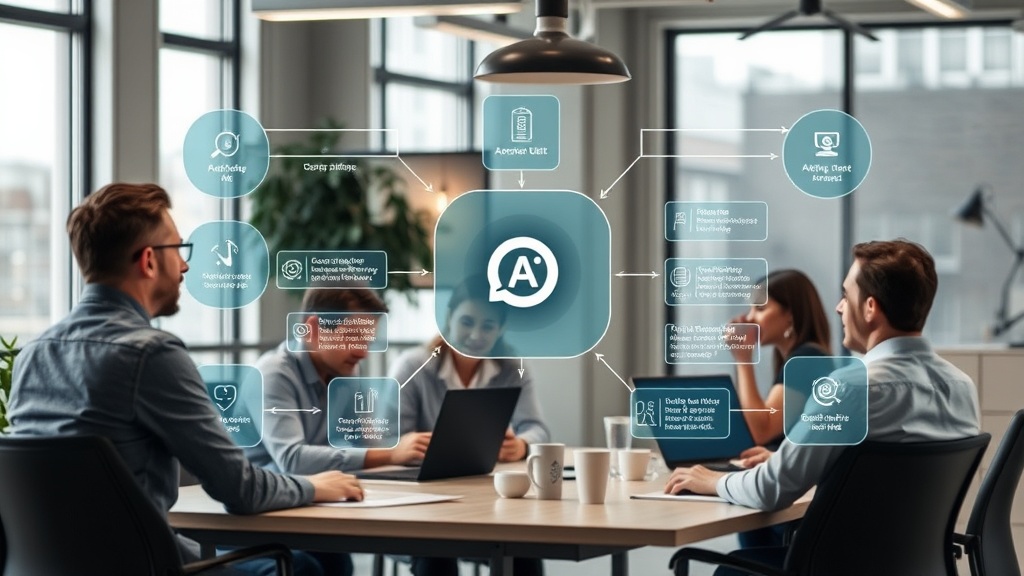
RunEvr's approach centers on breaking down the creative project lifecycle into manageable, automatable segments. For instance, in a video production workflow, an AI agent might be responsible for initial script analysis, identifying key scenes, and suggesting storyboards. Another agent could then handle the scheduling of voiceovers and music composition, coordinating with freelance artists. Post-production tasks, such as initial video editing based on predefined templates or managing asset delivery, could also fall under the purview of these agents. The goal is to reduce the administrative overhead that often consumes a significant portion of a creative professional's time.
The platform's intelligence is expected to grow with each project it manages. By observing how human creatives interact with its agents, how tasks are completed, and what outcomes are achieved, RunEvr's AI is designed to refine its strategies. This learning capability is crucial for adapting to the diverse and often subjective nature of creative work. A graphic designer might have specific preferences for color palettes or typography, and the AI agents would ideally learn these preferences over time to provide more tailored support. This adaptive learning is what differentiates an agentic environment from a static, rule-based automation system.
For founders and studio managers, RunEvr could represent a significant leap in operational efficiency. The ability to automate routine project management functions means that fewer human resources might be needed for administrative oversight, allowing for a leaner team or the capacity to take on more projects simultaneously. Furthermore, by providing a more structured and data-driven approach to creative output, RunEvr could offer greater predictability in project timelines and costs, a persistent challenge in the creative services industry. The platform's success will hinge on its ability to accurately interpret creative briefs, manage complex dependencies, and deliver results that meet or exceed client expectations, all while maintaining the essential human touch that defines creative excellence.
The Future of Creative Collaboration
The introduction of RunEvr raises questions about the future of creative collaboration. Will AI agents become indistinguishable from human project managers in terms of their ability to understand creative nuances? How will creative teams adapt to working alongside autonomous AI entities? The platform's success could pave the way for similar agentic systems in other specialized fields, further blurring the lines between human and artificial intelligence in professional settings. The surprising element here is not the use of AI in project management, but the explicit focus on creating autonomous agents that drive the workflow, rather than simply assisting with individual tasks. This represents a more ambitious integration of AI into the very fabric of creative production.
For individual creatives, the implications are profound. Instead of juggling multiple tools and constant communication streams, they might interact with a single, intelligent system that anticipates their needs. This could lead to a more focused and less stressful work environment. However, it also necessitates a shift in skillsets, with a greater emphasis on defining project parameters, providing clear feedback to AI agents, and overseeing the AI's output to ensure it aligns with artistic vision and client requirements. The human element remains critical, shifting from execution and coordination to direction and quality assurance.
RunEvr's entry into the market suggests a future where AI is not just a tool but a partner in the creative process. The platform's ability to learn, adapt, and autonomously manage complex workflows could redefine productivity and innovation in the creative industries. As the technology matures, we can expect to see more sophisticated agentic systems emerge, further transforming how creative work is conceived, managed, and delivered.