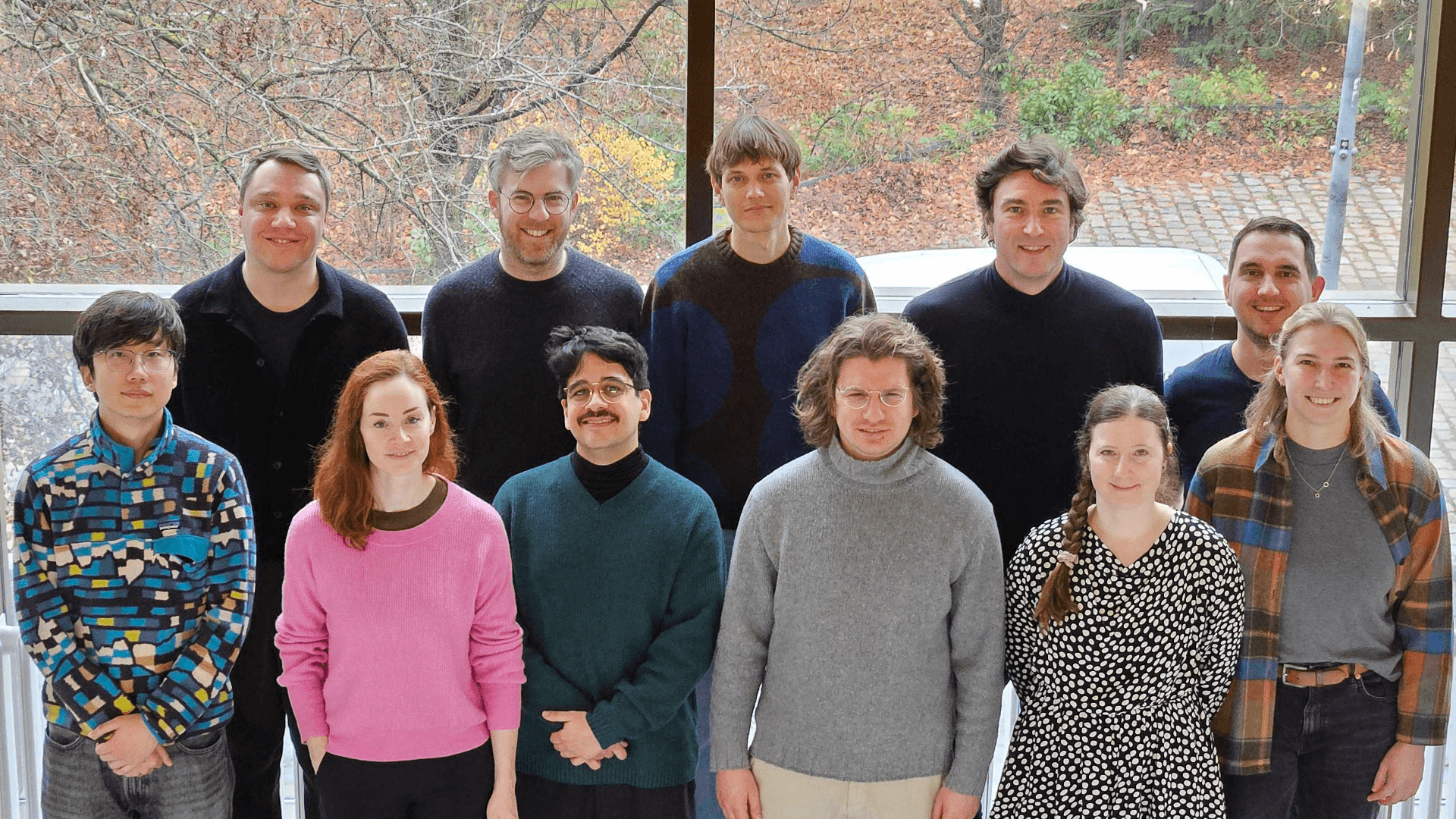
AI-Powered Textile Sorting Gains Traction
Berlin’s reverse.fashion has successfully closed a seven-figure extension to its pre-seed funding round, led by High-Tech Gründerfonds (HTGF). The startup is developing artificial intelligence-powered technology designed to sort textiles, a critical step in tackling the growing problem of fashion waste. This investment signals significant investor confidence in solutions that can create a more circular economy within the fashion industry.
The fashion industry is a major contributor to global waste. Every year, millions of tons of textiles end up in landfills or are incinerated, despite a large portion being recyclable or reusable. The primary bottleneck has always been efficient and accurate sorting. Manual sorting is labor-intensive, costly, and often inaccurate, especially when dealing with complex blends and a vast array of materials. Reverse.fashion aims to disrupt this inefficient process with AI and advanced sensor technology.
The company’s proprietary technology uses a combination of sensors and machine learning algorithms to identify fabric composition, color, and even potential defects. This allows for a far more granular and accurate sorting process than previously possible. Imagine a highly trained sorter, but with the speed and recall of a supercomputer, capable of distinguishing between a blend of 70% cotton and 30% polyester, and identifying it as suitable for a specific recycling stream. This precision is key to unlocking the true potential of textile recycling, enabling higher quality recycled materials and reducing the need for virgin resources.
The funds raised will be instrumental in scaling reverse.fashion’s operations. This includes expanding their research and development team to further refine their AI models and sensor capabilities, as well as building out their pilot sorting facilities. The goal is to move from the current pilot phase to commercial deployment, partnering with major fashion brands and recycling facilities to integrate their technology into existing supply chains. The inherent challenge in scaling such a solution lies not just in the technology itself, but in the complex logistics and partnerships required to make a tangible impact on the vast volume of textile waste generated globally.
The Challenge of Textile Waste
Globally, an estimated 92 million tons of textile waste are created each year. A significant portion of this waste comes from post-consumer clothing. While consumer awareness regarding sustainable fashion is growing, the infrastructure to support a truly circular model has lagged. Recycling rates for textiles remain dismally low, often below 15%, and much of what is collected for recycling is downcycled or exported, not effectively processed back into new garments. This is where technologies like reverse.fashion’s become crucial. They are not just about recycling; they are about enabling a system where textiles can be efficiently recovered and reintroduced into the production cycle at a high quality.
Current sorting methods rely heavily on manual labor. Workers often use visual inspection and basic touch to categorize garments. This process is slow, prone to human error, and cannot effectively handle the complexities of modern textiles, which often consist of intricate blends of natural and synthetic fibers, sometimes with added treatments or coatings. Furthermore, the sheer volume of discarded clothing makes manual sorting an unsustainable and economically unviable solution for large-scale recycling operations. The labor costs alone are prohibitive when considering the millions of tons of material that need processing.
Reverse.fashion’s approach bypasses these limitations. By employing a spectral analysis coupled with machine learning, their system can identify material composition with remarkable accuracy. This is akin to a doctor using advanced diagnostic imaging to understand a patient’s condition, rather than just relying on a physical examination. The AI can be trained on vast datasets of textile samples, learning to differentiate between materials, identify contaminants, and even predict the best end-of-life pathway for a given garment. This data-driven approach is what makes efficient, high-volume textile recycling a realistic prospect.
Investor Confidence and Future Outlook
The investment from High-Tech Gründerfonds (HTGF) underscores a broader trend: increasing investor appetite for deep-tech solutions addressing environmental challenges. HTGF, a prominent German venture capital firm, typically invests in technology-driven startups with high growth potential. Their backing of reverse.fashion suggests a belief in the startup's technological innovation and its potential to capture a significant share of the emerging textile recycling market.
What remains to be seen is how quickly reverse.fashion can translate this funding into scaled commercial operations. The path from pilot to full-scale deployment involves significant hurdles, including securing partnerships with major fashion brands that are increasingly under pressure to demonstrate sustainability commitments. These brands need reliable, scalable solutions to manage their own textile waste streams and to source recycled materials. Reverse.fashion’s success will hinge on its ability to prove its technology's efficacy, cost-effectiveness, and scalability in real-world industrial settings. The company’s ability to integrate seamlessly into existing waste management and recycling infrastructure will be as important as the AI itself.
This funding round positions reverse.fashion to become a key player in the circular fashion economy. By solving the critical sorting problem, they are not just creating a more sustainable industry but also unlocking economic value from what is currently considered waste. The implications for the fashion industry, environmental policy, and material science are substantial. As more capital flows into this sector, we can expect to see further innovation and a faster transition towards a truly circular model for textiles.