
The Repository Harness Revisited: Predictability Over Price
The initial benchmark of the Repository Harness, a system designed to manage AI agent knowledge access, yielded an uncomfortable truth: while faster than monolithic knowledge bases, it consumed more input tokens. This outcome suggested either a flawed core concept or an inefficient initial implementation of progressive disclosure. To address this, the routing model was refined, the benchmark baseline rebuilt, and 30 measured executions were performed. The results, detailed in a follow-up analysis, confirm that the primary benefit of the Repository Harness is not a dramatic reduction in token usage, but a substantial increase in the predictability of the AI agent’s behavior.
Understanding the Repository Harness Concept
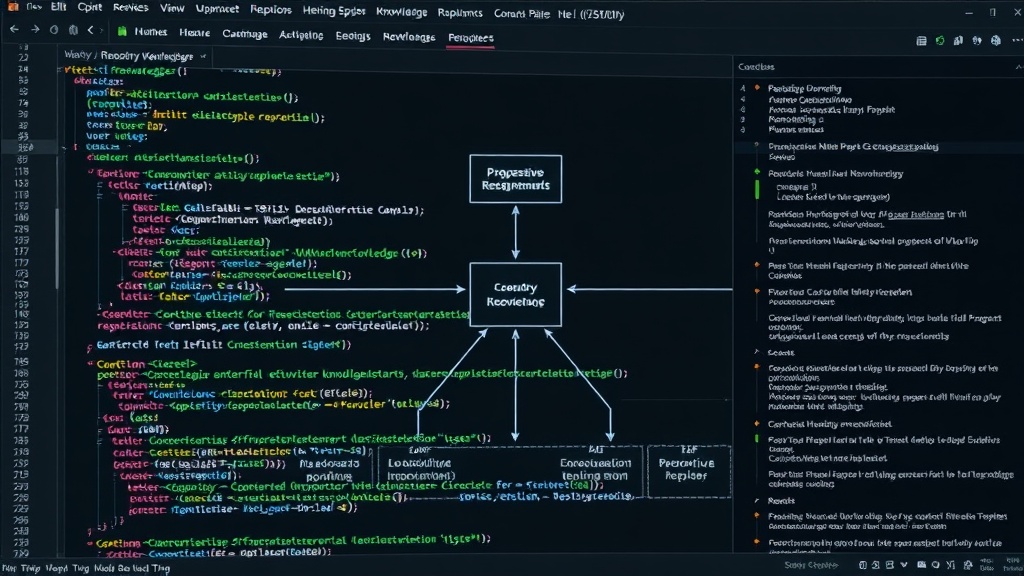
Most repositories expose their entire knowledge base to AI agents. This approach is inefficient and can lead to agents getting lost in irrelevant information. The Repository Harness aims to solve this by implementing a progressive disclosure model. Instead of dumping all data, it selectively exposes relevant knowledge based on the agent’s current task or query. This is conceptually similar to how a human expert doesn't recall every piece of information they've ever encountered, but rather accesses specific knowledge as needed. The goal is to make AI agents more focused and efficient by providing them with precisely the right information at the right time.
The Problem with Initial Implementation
The first iteration of the Repository Harness, documented in the preceding article, demonstrated a speed advantage but a token usage disadvantage. This paradox suggested that while the agent could find answers faster, it was doing so by accessing a broader, less curated set of information than ideal. The initial implementation of progressive disclosure might have been too permissive, allowing the agent to pull in more context than strictly necessary for a given step. This could be due to a routing model that wasn't granular enough, or a system that didn't effectively prune irrelevant data early in the process. The concern was that the overhead of managing this selective disclosure might negate the benefits, or worse, increase operational costs.
Refining the Routing and Re-benchmarking
To validate the core hypothesis, significant changes were made to the Repository Harness. The routing model, the engine that determines which pieces of knowledge are exposed to the agent, underwent a thorough rebuild. This involved developing more sophisticated logic to assess the relevance of information based on the agent's immediate context and task. The benchmark baseline was also re-established to ensure a fair comparison. With these adjustments in place, 30 independent executions of the benchmark task were conducted. This larger sample size was crucial for establishing statistical significance and observing consistent patterns in the agent's performance.
The Uncomfortable Truth: Predictability as the Key Benefit
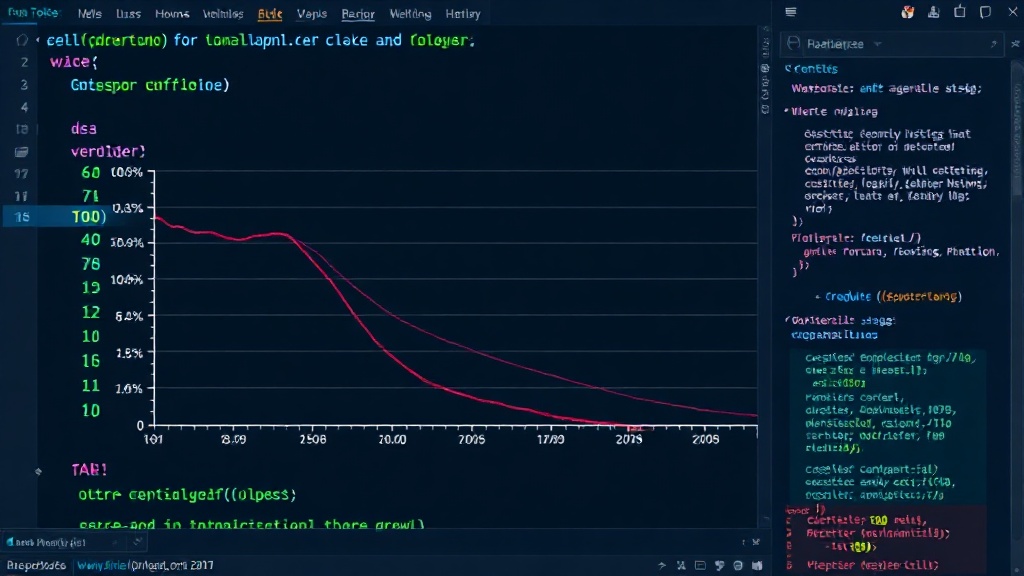
The results from the 30 runs were clear: the Repository Harness did not deliver a significant, across-the-board reduction in token consumption compared to the initial test. In many cases, token usage remained comparable, and in some instances, it even slightly increased. However, the data revealed a far more valuable outcome: a dramatic improvement in the predictability of the agent’s behavior. The agent, guided by the refined Repository Harness, consistently followed a more logical and efficient path to its conclusions. It no longer exhibited erratic or tangential information-seeking behavior. This predictability is akin to a highly skilled assistant who, when asked a question, knows precisely which file cabinet to open and which file to retrieve, rather than spending time sifting through unrelated documents.
Why Predictability Matters More Than Cost
In the realm of AI agents, especially those operating in complex or critical applications, predictability is paramount. While cost efficiency is always a desirable outcome, an agent that consistently produces reliable, focused results is often more valuable. Unpredictable behavior can lead to errors, wasted computational resources in downstream processes, and a general lack of trust in the AI system. The Repository Harness, by enforcing a structured approach to knowledge retrieval, ensures that the agent operates within defined parameters. This makes debugging easier, performance tuning more effective, and the overall system more robust. It transforms the AI agent from a potentially erratic tool into a dependable component of a larger workflow.
Implications for AI Agent Development
This second benchmark provides critical insights for developers building and deploying AI agents. It suggests that focusing solely on minimizing token costs might be a misdirected effort. Instead, the architecture for managing an agent’s knowledge base should prioritize consistency and control. The Repository Harness’s success in enhancing predictability indicates that sophisticated routing and progressive disclosure mechanisms are essential for scalable and reliable AI agent systems. The challenge now is to further optimize these systems to achieve both predictability and cost-effectiveness, possibly through more advanced pruning techniques or dynamic context window management.
The journey with the Repository Harness highlights a common evolution in technology: initial assumptions about performance metrics (like cost) are often superseded by a deeper understanding of what truly drives utility and reliability (like predictability). For teams building complex AI applications, this shift in perspective is crucial for developing systems that are not just fast or cheap, but fundamentally trustworthy.