
The Challenge of Trust in Distributed Systems
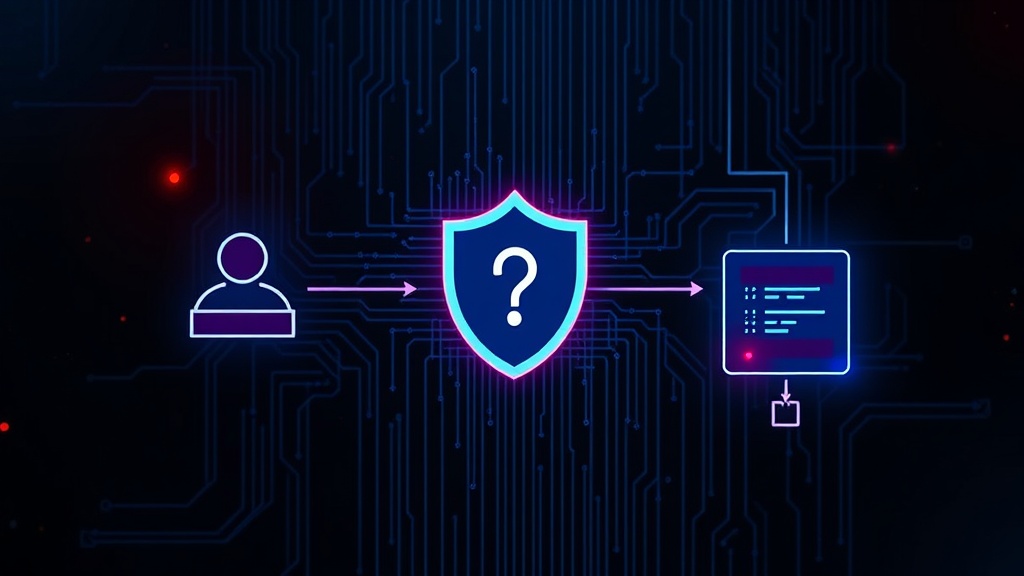
In today's interconnected world, systems increasingly rely on components that are not fully trusted. This is particularly true in cloud computing and the Internet of Things (IoT), where devices and services operate in potentially hostile environments. Verifying the integrity and correct configuration of these components is paramount for security. Remote attestation is a cryptographic technique designed to address this challenge, providing a mechanism for one party (the verifier) to check the trustworthiness of another party (the attester) without physical access.
At its core, remote attestation is about proving that a piece of hardware or software is running the expected code and is in a known, secure state. Imagine you're sending a sensitive package across a country. You want to be sure the courier handling it is legitimate, hasn't tampered with the contents, and is following the agreed-upon route. Remote attestation acts as a digital certificate of authenticity and integrity for digital components.
How Remote Attestation Works
The process typically involves a trusted hardware root of trust, often a Trusted Platform Module (TPM) or a similar secure element integrated into the hardware. The attestation process generally follows these steps:
- Challenge: The verifier sends a unique, random nonce (a number used only once) to the attester. This nonce is crucial to prevent replay attacks, ensuring that the attestation is fresh and specific to this interaction.
- Measurement: The attester's hardware or a secure bootloader measures the software components that are about to run. This involves calculating cryptographic hashes of the firmware, operating system kernel, bootloader, and any critical applications. These measurements represent a digital fingerprint of the software.
- Signing: The TPM (or secure element) then takes these measurements, along with the nonce received from the verifier, and signs them using a private key stored securely within the TPM. This signed data is called an 'attestation quote'. The private key is typically provisioned by the hardware manufacturer and is unique to that TPM.
- Verification: The attester sends the attestation quote back to the verifier. The verifier uses the corresponding public key (which they can obtain through a secure channel or from a trusted certificate authority) to verify the signature on the quote. If the signature is valid, it proves that the quote was indeed generated by the specific TPM.
- Validation: The verifier then compares the software measurements contained within the quote against a set of known, trusted values. These trusted values represent the expected, secure configuration of the software. If the measurements match the expected values, the verifier can be confident that the attester is running the correct and untampered software.
Key Components and Technologies
Several technologies enable remote attestation, each with its own strengths and use cases:
- Trusted Platform Module (TPM): A dedicated microcontroller designed to secure hardware through integrated cryptographic keys. TPMs are widely used in enterprise PCs and servers for functions like secure boot, disk encryption, and remote attestation.
- Trusted Execution Environments (TEEs): These are secure areas within a processor that isolate code and data from the main operating system, even if the OS is compromised. Examples include Intel SGX (Software Guard Extensions) and ARM TrustZone. TEEs can perform attestation for the code running within them.
- Secure Boot: A security process that ensures a device boots using only software that is trusted by the original equipment manufacturer (OEM). Secure boot mechanisms often generate measurements that can be used in attestation.
- Remote Attestation Procedure (RAP): A standardized protocol, often built on top of TPM functionalities, to facilitate the attestation process.
Use Cases and Importance
The ability to cryptographically verify the integrity of remote systems has profound implications across various domains:
- Cloud Security: Cloud providers can use remote attestation to prove to customers that their virtual machines are running on genuine, uncompromised hardware and that the hypervisor has not been tampered with. Customers can then trust the cloud environment for sensitive workloads.
- IoT Device Integrity: In IoT deployments, devices often operate in physically insecure locations. Remote attestation allows a central server to verify that an IoT device is running the correct firmware, has not been infected with malware, and is configured according to policy before allowing it to connect to the network or perform critical functions.
- Software Licensing and DRM: Companies can use attestation to ensure that software is running on legitimate hardware and hasn't been pirated or modified.
- Secure Multi-Party Computation (MPC): In scenarios where multiple parties collaborate on sensitive computations, attestation can ensure that each participant is running the correct, untainted code, protecting the overall integrity of the computation.
- Zero Trust Architectures: Remote attestation is a foundational element for Zero Trust security models, as it provides a verifiable basis for establishing trust in a device or service before granting access to resources.
Challenges and Future Directions
Despite its benefits, remote attestation faces several challenges:
- Complexity: Implementing and managing remote attestation can be complex, requiring careful integration of hardware, firmware, and software.
- Key Management: Securely managing the private keys used for signing attestation quotes is critical. Compromise of these keys undermines the entire system.
- Standardization: While standards exist, interoperability between different hardware vendors and attestation protocols can still be an issue.
- Performance Overhead: The attestation process itself can introduce latency, which might be a concern for real-time applications.
- Supply Chain Trust: The entire chain of trust relies on the initial provisioning of keys and the integrity of the hardware manufacturing process. Any compromise in the supply chain can invalidate attestation.
Future work is focused on simplifying attestation implementations, improving key management, and extending attestation to more dynamic and complex software environments. The ongoing evolution of hardware security features and the increasing demand for verifiable trust in distributed systems suggest that remote attestation will continue to grow in importance.
What remains to be seen is how widely attestation will be adopted beyond high-security enterprise and government use cases, particularly in consumer-grade IoT devices where cost and complexity are significant barriers.