
The Man Behind the Squiggles
Raymond Chen, a name likely unfamiliar to many outside the deepest circles of Windows development, was the quiet architect of a feature so ubiquitous it became invisible: the red squiggle. For decades, Chen worked at Microsoft, primarily on the Windows shell team. His true legacy, however, lies not just in the code he wrote, but in the clarity he brought to understanding it. Through his blog, 'The Old New Thing,' he offered a rare, unfiltered look into the design decisions, historical quirks, and sheer engineering effort behind Windows. He didn't just explain how things worked; he explained *why* they worked that way, often unearthing decades-old reasoning for seemingly bizarre behaviors.
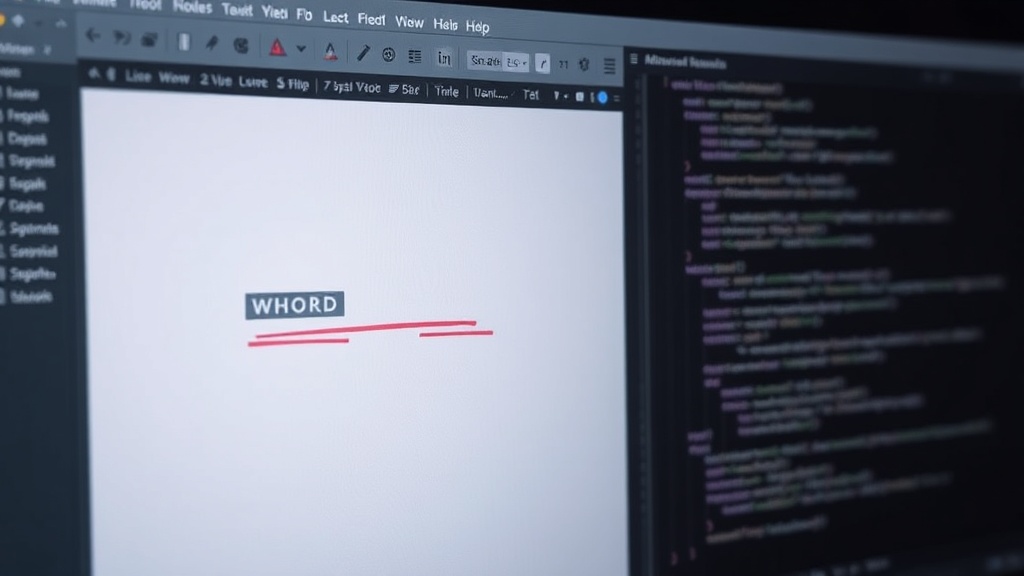
The red squiggle, that familiar indicator of a potential spelling or grammar error in text editors and IDEs, is a prime example. While many developers likely took its presence for granted, Chen meticulously detailed its origins and evolution. He explained how this simple visual cue, born from an era of more constrained computing resources, became an indispensable part of the modern user experience. His ability to connect the past to the present, to show how historical decisions continue to shape current technology, was unparalleled. He treated the Windows operating system not as a monolithic entity, but as a living history book, with each feature a chapter, and often, a footnote explaining an earlier, forgotten passage.
Demystifying Windows Internals
Chen's blog was more than just a technical diary; it was a masterclass in software engineering communication. He possessed an uncanny ability to break down incredibly complex topics into digestible narratives. Whether discussing the intricacies of window management, the evolution of the Start Menu, or the subtle behaviors of file dialogs, he approached each subject with a blend of deep technical knowledge and engaging storytelling. He often framed his posts as answers to frequently asked questions, not just from users, but from fellow developers struggling to understand legacy code or unexpected system behaviors. This approach made 'The Old New Thing' an essential resource for anyone working with or deeply interested in Windows.
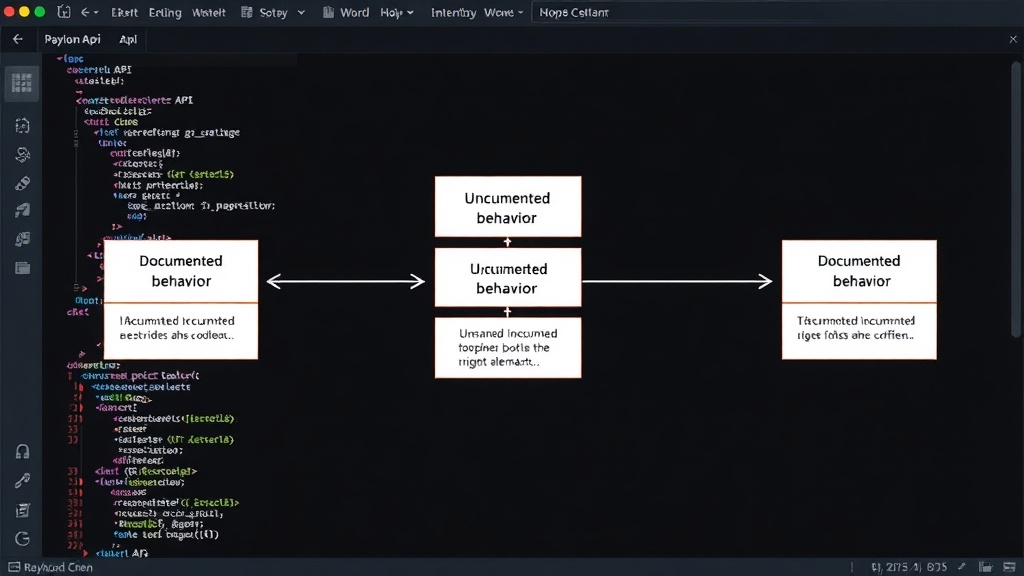
One of his recurring themes was the concept of 'documented behavior' versus 'undocumented behavior,' and how the latter often becomes de facto standard simply through widespread use. He illustrated how the Windows API, while extensive, often had subtle nuances and undocumented behaviors that developers relied upon. He argued that this reliance, while sometimes problematic, was a testament to the deep integration and long-term evolution of the platform. He showed how fixing an 'undocumented behavior' could break countless applications, forcing a difficult choice between perfect code and functional compatibility. This perspective offered a vital counterpoint to the often-simplistic view that software should always be rewritten from scratch to eliminate technical debt.
The Enduring Impact of Clarity
Chen's passing leaves a void in the technical community. He was a rare figure who combined profound technical expertise with the gift of clear, engaging explanation. His work serves as a powerful reminder that understanding the history and rationale behind technical decisions is crucial for building and maintaining robust systems. For developers, his blog was a constant source of learning, offering insights that transcended specific Windows versions. He taught us to look beyond the surface, to appreciate the layers of history and compromise that define the software we use every day.
The legacy of the red squiggle, and indeed all the features Chen illuminated, is one of clarity. He showed that even the most mundane elements of our digital lives have a story, often a complex one, and that telling that story well is as important as writing the code itself. His meticulous documentation of Windows' past provides an invaluable resource for anyone seeking to understand the evolution of personal computing. The lessons learned from his explanations will continue to inform developers, engineers, and technologists for years to come, ensuring that the 'old new thing' remains relevant.
What nobody has addressed yet is how future generations of engineers will access and learn from Chen's decades of archived blog posts. While the internet archives are vast, the specific context and community engagement surrounding 'The Old New Thing' were unique. Will this vast repository of Windows engineering history be curated and preserved in a way that retains its original impact, or will it become another set of scattered digital artifacts?