Turning Everyday Electronics into Rescue Beacons
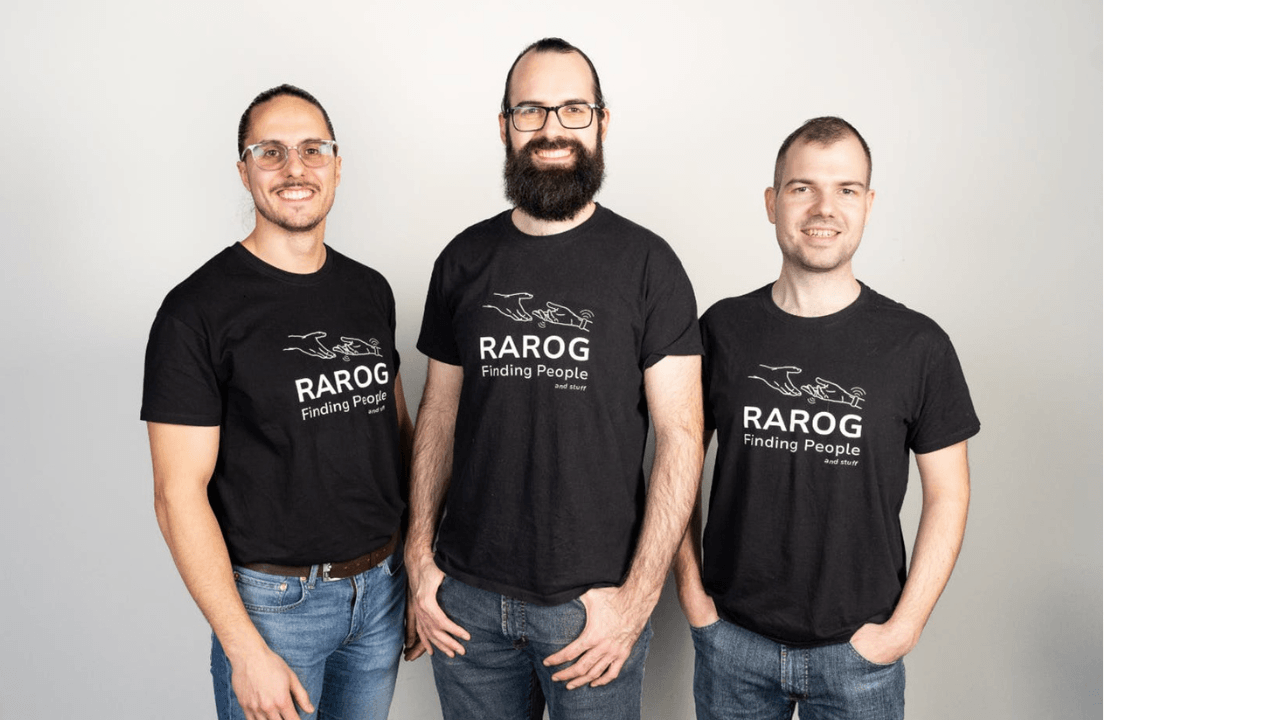
Swiss engineering startup RAROG has secured €162,000 (CHF 150,000) in funding from Venture Kick. The capital infusion is earmarked for the development of a novel portable search-and-rescue system. This system aims to detect the radio signals emitted by common electronic devices, effectively turning them into potential life-saving beacons in emergency situations. The core innovation lies in leveraging the ubiquitous nature of modern electronics to enhance search and rescue capabilities, a significant departure from traditional, specialized emergency equipment.
The concept behind RAROG's technology is straightforward yet profound: identify and triangulate the low-power radio frequency signals that most electronic devices continuously emit, even when seemingly inactive. These signals, often overlooked or considered background noise, can reveal the presence and general location of individuals in distress, particularly in remote or challenging environments where conventional communication methods fail. Think of it less like a dedicated distress signal and more like finding a consistent, faint whisper in a noisy room – a whisper that, with the right tools, can guide rescuers directly to the source.
The potential applications are vast, ranging from hikers lost in the wilderness to individuals caught in natural disasters like avalanches or building collapses. By equipping rescue teams with sensitive receivers capable of picking up these faint signals, the time taken to locate individuals could be drastically reduced. This is critical, as survival rates in many rescue scenarios are directly correlated with how quickly a person is found and extracted.
The Technology and Its Potential
RAROG's system is designed to be portable, implying that rescue teams can deploy it rapidly in diverse operational settings. The technology focuses on detecting specific radio frequency bands and signal patterns that are characteristic of common consumer electronics such as smartphones, smartwatches, and even some less obvious devices. Unlike emergency locator transmitters (ELTs) or personal locator beacons (PLBs) that require dedicated activation, RAROG's system can potentially detect devices that are still powered on but otherwise non-functional or out of communication range.
The challenge lies in distinguishing these signals from ambient radio noise and accurately pinpointing their source amidst a complex RF landscape. RAROG's engineering team is likely developing sophisticated signal processing algorithms and highly sensitive antenna arrays to achieve this. The system must be robust enough to operate in environments where signal propagation can be erratic, such as dense forests, mountainous terrain, or collapsed structures.
The €162,000 funding from Venture Kick, a Swiss initiative supporting early-stage startups, signifies confidence in RAROG's technological approach and market potential. Venture Kick typically provides funding, mentorship, and business development support to promising young companies. This investment will likely fuel further research and development, prototype refinement, and initial field testing of the system.
Broader Implications for Search and Rescue
The successful development and deployment of RAROG's technology could represent a paradigm shift in search and rescue operations. Currently, locating missing persons often relies on visual spotting, canine units, or the activation of dedicated emergency devices. The ability to detect passive radio signals from everyday electronics adds a powerful new layer to these efforts.
Consider an avalanche scenario. Traditional searches involve probing and using avalanche transceivers, but these require the victim to be carrying an activated transceiver. If a victim is buried with their phone or smartwatch still powered on, RAROG's system could potentially offer an alternative detection method, especially if the transceiver signal is weak or obstructed. Similarly, in a large-scale disaster, thousands of electronic devices could inadvertently become signals, providing a broader, albeit less precise, initial search area.
However, questions remain about the system's range, accuracy, and the power consumption of the devices being detected. How far can these faint signals be reliably picked up? What is the minimum signal strength required for detection? And critically, how does the system differentiate between multiple emitting devices in a densely populated search area?
The development also brings to the forefront considerations around privacy and the potential for misuse. While the intention is purely for life-saving purposes, any technology that can detect and locate personal electronic devices warrants careful ethical review. RAROG's focus on emergency response suggests a commitment to responsible application, but the broader implications of such detection capabilities will undoubtedly be a topic of discussion as the technology matures.
With this funding, RAROG is poised to move from concept to a tangible product that could soon equip emergency services with an unprecedented tool. The transition from a promising idea to a field-ready system is a complex journey, but the potential to save lives by repurposing the technology we carry every day makes this endeavor particularly compelling.