
Ramp Tackles Escalating AI Token Costs
Businesses embracing artificial intelligence are increasingly grappling with a new frontier of operational expenses: AI token spend. As AI models, particularly large language models (LLMs), become integral to workflows, the cost of their usage—often metered by tokens processed—can spiral unexpectedly. Recognizing this burgeoning challenge, Ramp, the corporate card and spend management platform, has launched a dedicated feature to provide greater visibility and control over these AI-related expenditures.
The new functionality aims to bring the same level of financial oversight that companies apply to traditional SaaS subscriptions and cloud infrastructure to the dynamic world of AI compute. Previously, tracking AI token spend often meant sifting through disparate invoices from various AI providers, making it difficult to aggregate costs, identify usage patterns, or set budgets. This lack of centralized visibility can lead to significant overspending and hinder strategic financial planning for AI initiatives.
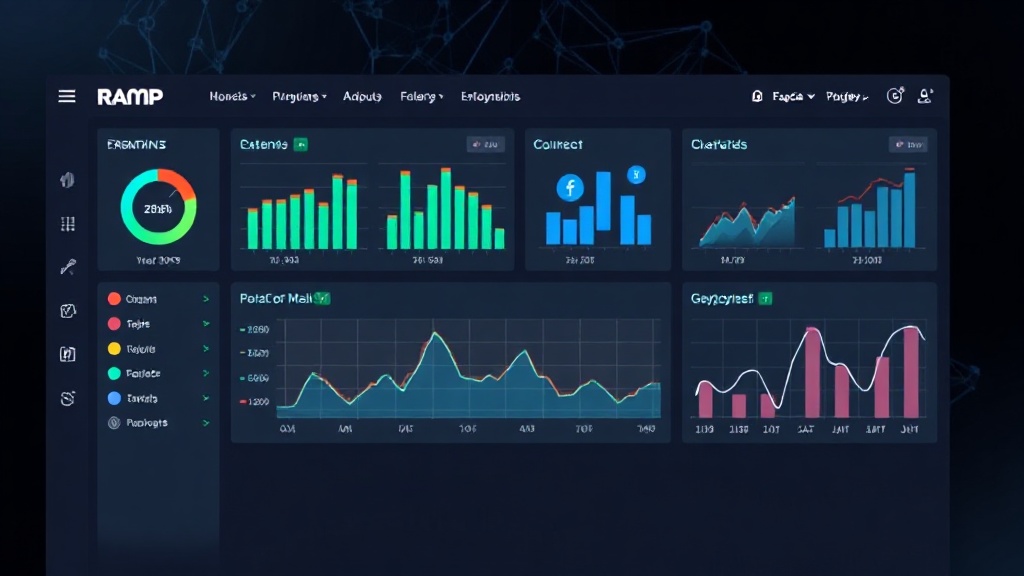
Ramp’s approach is to integrate AI token spend directly into its existing spend management framework. This means that as companies utilize AI services that charge on a token basis, these costs will be automatically categorized and reported within the Ramp platform. This allows finance teams and department heads to see precisely how much they are spending on AI, which models or providers are the most expensive, and how usage correlates with business outcomes.
Granular Control and Budgeting for AI Resources
A key aspect of Ramp’s new offering is the ability to set granular budgets for AI token consumption. Companies can define spending limits for specific teams, projects, or even individual AI models. The platform then provides real-time alerts when spending approaches or exceeds these predefined thresholds. This proactive approach is crucial for preventing budget overruns and encouraging more mindful resource allocation. Imagine trying to keep track of every single paperclip used in an office; that’s the level of granularity AI token spend can reach without proper tools. Ramp aims to be the central ledger for this new type of office supply.
The platform’s integration capabilities are also central to its utility. By connecting with various AI platforms and services, Ramp can ingest usage data directly, eliminating the need for manual data entry or complex integrations. This ensures that the data presented is accurate and up-to-date, providing a true picture of AI expenditure at any given moment. For developers and data scientists who are often at the forefront of AI adoption, this means less time spent on administrative overhead and more time focused on innovation.
Furthermore, Ramp's analytics tools will offer insights into cost optimization. By analyzing usage patterns, the platform can highlight opportunities to switch to more cost-effective models, adjust query parameters, or implement caching strategies to reduce redundant token consumption. This moves beyond simple tracking to active cost management, empowering businesses to maximize the ROI of their AI investments.
Broader Implications for AI Adoption and Financial Governance
The introduction of specialized AI token spend management tools like Ramp’s signifies a maturing of the AI landscape. As AI moves from experimental phases to core business operations, robust financial governance becomes paramount. Companies need to understand the total cost of ownership for their AI strategies, which extends far beyond initial development or subscription fees. Token costs, while seemingly small on a per-unit basis, can accumulate rapidly and represent a substantial portion of an AI initiative's budget.
This development also has implications for the competitive landscape among spend management platforms. As AI becomes a ubiquitous business tool, providers that can offer integrated solutions for managing its associated costs will gain a significant advantage. Ramp’s move positions it as a forward-thinking player, anticipating the needs of businesses scaling their AI adoption.
For founders and finance leaders, this feature addresses a critical blind spot. It provides the necessary tools to forecast AI costs more accurately, negotiate better terms with AI providers, and ensure that AI investments align with overall business objectives. Without such controls, the promise of AI could be undermined by runaway operational expenses, a scenario that few startups or established enterprises can afford.
The surprise here is not that a spend management company is adding AI-related features—that was inevitable. The real surprise is the speed at which this capability is being integrated. Ramp has moved swiftly to address what is rapidly becoming a primary concern for CTOs and CFOs globally, treating AI token spend not as a niche problem but as a core financial management category.
As businesses continue to integrate AI into every facet of their operations, from customer service chatbots to complex data analysis and content generation, the need for sophisticated spend management will only grow. Tools like Ramp’s new AI token management feature are essential for ensuring that the pursuit of AI innovation remains financially sustainable and strategically aligned.