Understanding Radiation Effects on Semiconductors
Electronic components, particularly power devices like MOSFETs, are susceptible to the damaging effects of radiation. In space and other high-radiation environments, this damage can manifest in several ways, including total ionizing dose (TID) effects and single-event effects (SEEs). TID refers to the cumulative damage caused by prolonged exposure to radiation, leading to changes in device characteristics like threshold voltage shifts and increased leakage current. SEEs, on the other hand, are caused by individual high-energy particles that can cause transient disruptions (single-event upsets or SEUs) or permanent damage (single-event burnout or SEB, single-event gate rupture or SEGR).
The choice between radiation-hardened (rad-hard) and radiation-tolerant (rad-tolerant) MOSFETs hinges on the specific demands of the application. Rad-hard devices are engineered from the ground up to withstand extreme radiation levels, often at a significant cost premium. Rad-tolerant devices, while offering improved resistance compared to standard commercial components, are typically more cost-effective and suitable for missions with less severe radiation exposure or shorter lifespans.
Radiation-Hardened (Rad-Hard) MOSFETs: The Ultimate Protection
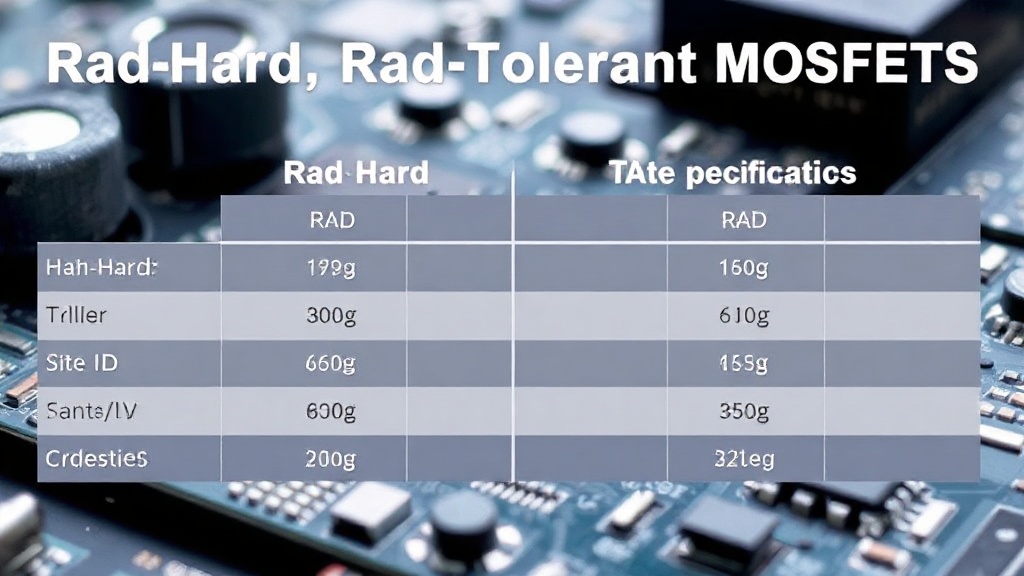
Radiation-hardened MOSFETs are designed and manufactured with specific process technologies and materials to ensure maximum resistance to radiation. This often involves techniques like deep trench isolation, guard rings, and specialized doping profiles. The goal is to create devices that can operate reliably for extended periods in harsh environments, such as deep space missions, nuclear reactors, or high-energy physics experiments, where radiation levels can be exceptionally high. These devices are typically characterized by their ability to withstand very high TID levels (often exceeding 100 krad(Si)) and are robust against various SEEs.
The key advantage of rad-hard MOSFETs is their predictable and long-term reliability in extreme conditions. They offer superior performance stability over the device's operational life. However, this level of protection comes at a substantial cost. The specialized manufacturing processes, rigorous testing, and lower production volumes contribute to a significantly higher price point compared to their rad-tolerant or commercial counterparts. Consequently, rad-hard devices are usually reserved for missions where failure is not an option and the cost is secondary to mission success and crew safety.
Radiation-Tolerant (Rad-Tolerant) MOSFETs: A Balanced Approach
Radiation-tolerant MOSFETs represent a middle ground, offering enhanced radiation resistance compared to standard commercial-off-the-shelf (COTS) components but without the extreme performance and cost of fully rad-hard devices. These devices are often manufactured using modified COTS processes or specific design techniques that improve their resilience to radiation. They are suitable for applications where radiation levels are moderate, or the mission duration is shorter, and where cost-effectiveness is a primary consideration.
Rad-tolerant MOSFETs are typically specified for lower TID levels, perhaps in the range of 10 krad(Si) to 50 krad(Si), and may have varying degrees of susceptibility to SEEs. Their design might incorporate features that mitigate some radiation effects, but they are not designed to survive the same extreme environments as rad-hard devices. The benefit here is a more accessible price point, making them a viable option for many satellite applications, scientific instruments, and terrestrial systems operating in environments with elevated radiation.
Choosing the Right Device: Mission Life and Cost Considerations
The decision between rad-hard and rad-tolerant MOSFETs is fundamentally a strategic one, balancing the anticipated radiation environment with the project's budget and mission objectives. For missions with very long durations (e.g., interplanetary probes, long-term space station components) or those operating in exceptionally high radiation zones, rad-hard devices are often the only viable choice, despite their cost. The assurance of reliability and the prevention of mission-ending failures justify the investment.
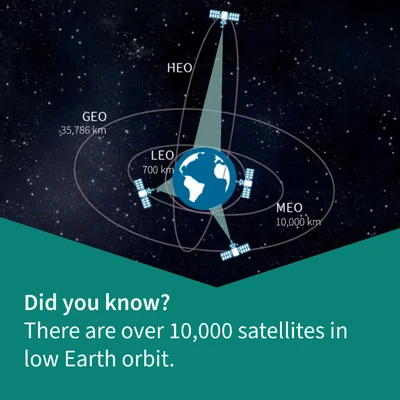
Conversely, for shorter missions, satellites in lower Earth orbits with less intense radiation belts, or applications where component replacement is feasible, rad-tolerant MOSFETs can offer a more economical solution. They provide a significant upgrade over COTS parts without the prohibitive expense of full rad-hardening. It is crucial to thoroughly characterize the radiation environment of the intended application and to consult device datasheets carefully. Key parameters to examine include the Total Ionizing Dose (TID) rating, Single Event Effect (SEE) thresholds (such as LET thresholds for SEB/SEGR), and operational temperature ranges under radiation.
Beyond MOSFETs: System-Level Considerations
While selecting the appropriate power MOSFET is vital, it's important to remember that system-level design plays a crucial role in radiation tolerance. Redundancy, error detection and correction (EDAC) mechanisms, shielding, and careful circuit design can all contribute to overall system reliability in radiation environments. Even with rad-hard components, a well-designed system will be more resilient. For rad-tolerant or even COTS components, these system-level strategies become even more critical to extend operational life and mitigate potential failures.
Ultimately, the selection process requires a deep understanding of both the device's radiation performance characteristics and the specific environmental challenges of the mission. A thorough risk assessment, considering the probability and impact of radiation-induced failures, will guide the engineer towards the most appropriate and cost-effective power device solution.