The Evolving Desktop Paradigm
For decades, the desktop computer was synonymous with a large tower, packed with powerful components, a dedicated graphics card, and ample room for future upgrades. This formula served computing needs reliably for generations. However, the fundamental ways we interact with and utilize computers have undergone a significant transformation. Today's users often prioritize different attributes: a machine that is not only capable of handling daily tasks but also consumes less power, occupies minimal space, and seamlessly integrates into modern, flexible workflows. This shift in user demand is propelling Mini PCs into the spotlight as one of the most compelling trends in personal computing.
Understanding the Mini PC
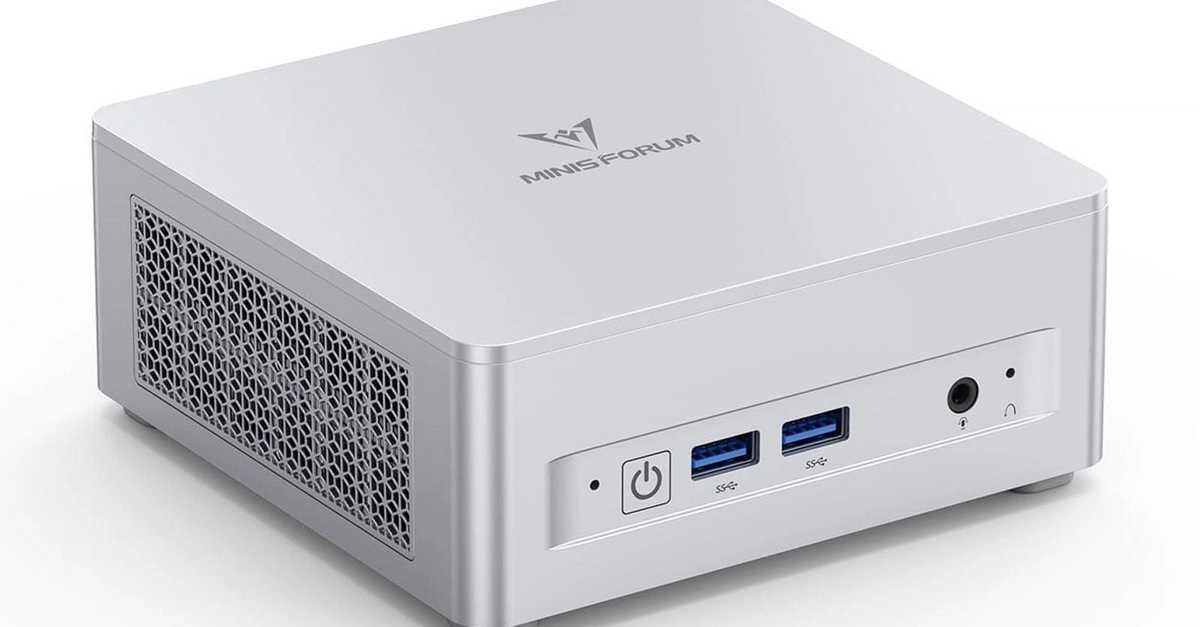
A Mini PC is a compact computing device engineered to deliver full desktop functionality within a significantly reduced physical footprint. Unlike their larger, traditional desktop counterparts, Mini PCs consolidate the majority of their components into a small chassis. Despite their diminutive size, they still offer modern performance capabilities. A typical Mini PC configuration includes contemporary processors from industry leaders like Intel and AMD, integrated graphics solutions such as Intel UHD or AMD Radeon, sufficient RAM, and fast SSD storage. They also feature a variety of essential connectivity options, facilitating integration into diverse setups. The compact cooling solutions employed in these devices are crucial for managing heat within such a confined space, ensuring sustained performance without excessive noise.
Performance and Practicality: A New Balance
The performance of modern Mini PCs often surprises those accustomed to larger machines. Processors like Intel's Core i5 or i7 and AMD's Ryzen series, commonly found in laptops and even some mainstream desktops, are now standard in many Mini PC models. These CPUs provide ample power for everyday productivity tasks, web browsing, media consumption, and even moderate content creation or light gaming. While they typically rely on integrated graphics rather than discrete GPUs, the advancements in Intel Iris Xe and AMD Radeon graphics mean that these solutions are more capable than ever, handling 4K video playback and casual gaming with ease. For users whose primary needs do not involve demanding 3D rendering or AAA gaming, the integrated graphics are more than sufficient, eliminating the need for a bulky, power-hungry dedicated graphics card.
The energy efficiency of Mini PCs is another significant advantage. Consuming as little as 15-30 watts under load, they represent a fraction of the power draw of a typical mid-range desktop tower, which can easily exceed 100-150 watts. This reduced power consumption translates directly into lower electricity bills and a smaller environmental footprint. Furthermore, their compact size means they can be discreetly placed behind a monitor, on a desk, or even mounted on a wall, freeing up valuable workspace. This makes them ideal for home offices, small apartments, or shared workspaces where space is at a premium.
The Mini PC Ecosystem and Use Cases
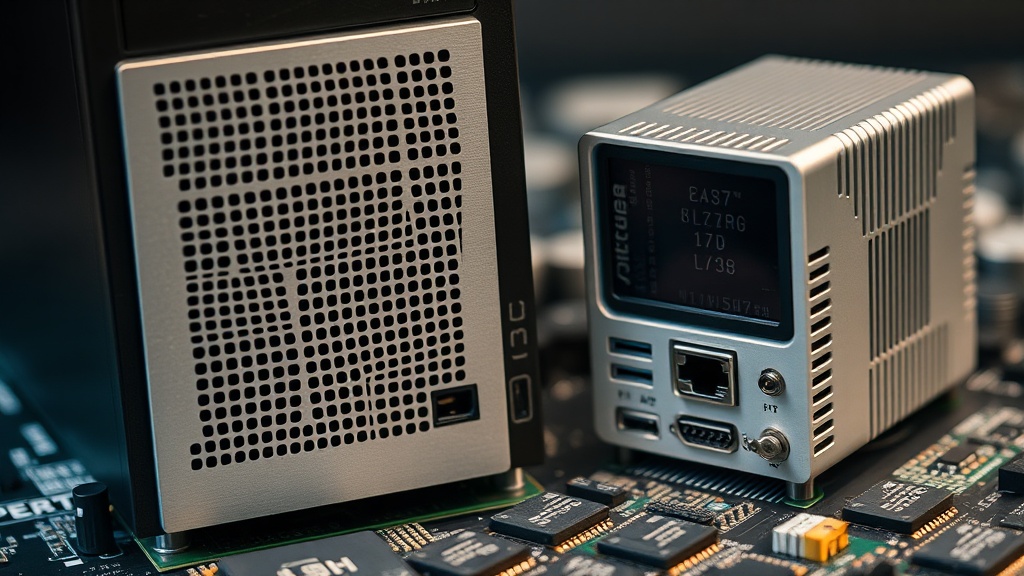
The versatility of Mini PCs has led to their adoption across a wide range of applications. In the professional sphere, they serve as excellent workstations for office environments, handling spreadsheets, presentations, and video conferencing without issue. Their small size and low noise profile make them ideal for digital signage, point-of-sale systems, and other embedded applications where space and reliability are critical. For home users, they are perfect media center PCs, capable of streaming high-resolution content and managing digital libraries. Even developers and power users are finding them increasingly viable. With sufficient RAM and fast NVMe SSDs, many Mini PCs can competently handle software development tasks, virtual machine operation, and even some data analysis workloads. The ability to connect multiple monitors further enhances their appeal for multitasking professionals.
Limitations and the Future of Desktops
Despite their growing appeal, Mini PCs are not without limitations. The primary constraint is often upgradeability and raw power. While RAM and storage are usually user-replaceable, CPU and GPU upgrades are typically impossible due to their integrated nature. For users requiring the absolute highest levels of performance for intensive tasks like professional video editing, complex 3D modeling, or high-end gaming, traditional desktops or workstations still hold an advantage. The thermal envelopes of Mini PCs, while improving, also limit sustained peak performance compared to systems with much larger cooling solutions.
The rise of Mini PCs does not necessarily signal the immediate demise of the traditional desktop. Instead, it suggests a diversification of the market. Traditional desktops will likely continue to serve users who demand maximum performance, extensive upgradeability, and specialized configurations. However, for a growing segment of the user base, the balance of power, efficiency, and form factor offered by Mini PCs represents a more desirable computing solution. This trend mirrors shifts seen in other technology sectors, where specialized, compact devices often emerge to meet evolving user needs, coexisting with larger, more powerful systems that cater to niche demands. The question is not whether traditional desktops will disappear, but rather how their market share will be reshaped by the compelling advantages of their smaller kin.
What Lies Ahead?
As Mini PC technology continues to advance, we can expect to see further improvements in processing power, graphics capabilities, and connectivity. Future iterations may push the boundaries of what is possible in a small form factor, potentially blurring the lines even further between Mini PCs and traditional desktops for a wider range of users. The market's response to these compact machines indicates a clear user appetite for computing solutions that are more aligned with modern living and working styles—less space, less power, and a focus on essential performance. The traditional desktop, once the undisputed king of personal computing, now faces a significant challenger that is steadily carving out its own, increasingly prominent, place.